Torna, Konstantinos Kavafis

Ritorna ancora e prendimi,
amata sensazione, ritorna e prendimi,
quando si ridesta viva la memoria
del corpo, e l’antico desiderio di nuovo si versa nel sangue,
quando le labbra e la pelle ricordano, e la carne,
e le mani come se ancora toccassero.

Ritorna ancora e prendimi, la notte,
quando le labbra ricordano, e la carne…

Come back

Come back often and take hold of me,
sensation that I love come back and take hold of me—
when the body’s memory awakens
and an old longing again moves into the blood,
when lips and skin remember
and hands feel as though they touch again.

Come back often, take hold of me in the night
when lips and skin remember…

Translated by Edmund Keeley/Philip Sherrard

Candele, Konstantinos Kavafis

Stanno i giorni futuri innanzi a noi
come una fila di candele accese,
dorate, calde e vivide.

Restano indietro i giorni del passato,
penosa riga di candele spente:
le più vicine danno fumo ancora,
fredde, disfatte, e storte.

Non le voglio vedere: m’accora il loro aspetto,
la memoria m’accora il loro antico lume.
E guardo avanti le candele accese.

Non mi voglio voltare, ch’io non scorga, in un brivido,
come s’allunga presto la tenebrosa riga,
come crescono presto le mie candele spente.

(Trad. di Filippo Maria Pontani)

Candles

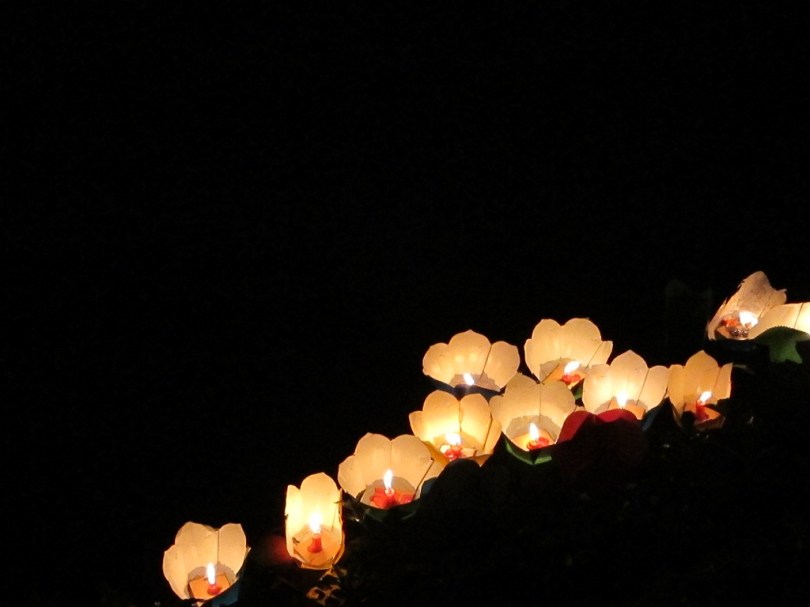
Days to come stand in front of us
like a row of lighted candles—
golden, warm, and vivid candles.

Days gone by fall behind us,
a gloomy line of snuffed-out candles;
the nearest are smoking still,
cold, melted, and bent.

I don’t want to look at them: their shape saddens me,
and it saddens me to remember their original light.
I look ahead at my lighted candles.

I don’t want to turn for fear of seeing, terrified,
how quickly that dark line gets longer,
how quickly the snuffed-out candles proliferate.

(Translated by Edmund Keeley/Philip Sherrard)

Voci, Konstantinos Kavafis

Voci ideali ed amate
dei morti, o di quelli che sono
per noi perduti, come i morti.

A volte ci parlano in sogno;
a volte le ascoltiamo nella mente.

E con loro per un istante ritornano
i suoni della prima poesia nella vita –
musica, che si perde lontano nella notte.

(Traduzione di G. Bernuzzi)

Voices

Voices, loved and idealized,
of those who have died, or of those
lost for us like the dead.

Sometimes they speak to us in dreams;
sometimes deep in thought the mind hears them.

And with their sound for a moment return
sounds from our life’s first poetry—
like music at night, distant, fading away.

(Translated by Edmund Keeley/Philip Sherrard)

La città, Konstantinos Kavafis

Hai detto: “Per altre terre andrò, per altro mare.
Altra città, più amabile di questa, dove
ogni mio sforzo è votato al fallimento,
dove il mio cuore come un morto sta sepolto,
ci sarà pure. Fino a quando patirò questa mia inerzia?
Dei lunghi anni, se mi guardo attorno,
della mia vita consumata qui, non vedo
che nere macerie e solitudine e rovina”.

Non troverai altro luogo non troverai altro mare.
La città ti verrà dietro. Andrai vagando
per le stesse strade. Invecchierai nello stesso quartiere.
Imbiancherai in queste stesse case. Sempre
farai capo a questa città. Altrove, non sperare,
non c’è nave non c’è strada per te.
Perché sciupando la tua vita in questo angolo discreto
tu l’hai sciupata su tutta la terra.

The City

You said, “I will go to another place, to another shore.
Another city can be found that’s better than this.
All that I struggle for is doomed, condemned to failure;
and my heart is like a corpse interred.
How long will my mind stagger under this misery?
Wherever I turn, wherever I look
I see the blackened ruins of my life,
which for years on end I squandered and wrecked and ravaged”.

You will find no other place, no other shores.
This city will possess you, and you’ll wander the same
streets. In these same neighborhoods you’ll grow old;
in these same houses you’ll turn gray.
Always you’ll return to this city. Don’t even hope for another.
There’s no boat for you, there’s no other way out.
In the way you’ve destroyed your life here,
in this little corner, you’ve destroyed it everywhere else.

(Translated by Stratis Haviaras)

Aspettando i barbari, Konstantinos Kavafis

Che aspettiamo, raccolti nella piazza?

Oggi arrivano i barbari.

Perché mai tanta inerzia nel Senato?
E perché i senatori siedono e non fan leggi?

Oggi arrivano i barbari.
Che leggi devon fare i senatori?
Quando verranno le faranno i barbari.

Perché l’imperatore s’è levato
così per tempo e sta, solenne, in trono,
alla porta maggiore, incoronato?

Oggi arrivano i barbari.
L’imperatore aspetta di ricevere
il loro capo. E anzi ha già disposto
l’offerta d’una pergamena. E là
egli ha scritto molti titoli ed epiteti.

Perché i nostri due consoli e i pretori
sono usciti stamani in toga rossa?
Perché i bracciali con tante ametiste,
gli anelli con gli splendidi smeraldi luccicanti?
Perché brandire le preziose mazze
coi bei ceselli tutti d’oro e argento?

Oggi arrivano i barbari,
e questa roba fa impressione ai barbari.

Perché i valenti oratori non vengono
a snocciolare i loro discorsi, come sempre?

Oggi arrivano i barbari:
sdegnano la retorica e le arringhe.

Perché d’un tratto questo smarrimento
ansioso? (I volti come si son fatti seri)
Perché rapidamente le strade e piazze
si svuotano, e ritornano tutti a casa perplessi?

S’è fatta notte, e i barbari non sono più venuti.
Taluni sono giunti dai confini,
han detto che di barbari non ce ne sono più.

E adesso, senza barbari, cosa sarà di noi?
Era una soluzione, quella gente.

(traduzione di Filippo Maria Pontani)

Waiting for the Barbarians

What are we waiting for, assembled in the forum?

The barbarians are due here today.

Why isn’t anything happening in the senate?
Why do the senators sit there without legislating?

Because the barbarians are coming today.
What laws can the senators make now?
Once the barbarians are here, they’ll do the legislating.

Why did our emperor get up so early,
and why is he sitting at the city’s main gate
on his throne, in state, wearing the crown?

Because the barbarians are coming today
and the emperor is waiting to receive their leader.
He has even prepared a scroll to give him,
replete with titles, with imposing names.

Why have our two consuls and praetors come out today
wearing their embroidered, their scarlet togas?
Why have they put on bracelets with so many amethysts,
and rings sparkling with magnificent emeralds?
Why are they carrying elegant canes
beautifully worked in silver and gold?

Because the barbarians are coming today
and things like that dazzle the barbarians.

Why don’t our distinguished orators come forward as usual
to make their speeches, say what they have to say?

Because the barbarians are coming today
and they’re bored by rhetoric and public speaking.

Why this sudden restlessness, this confusion?
(How serious people’s faces have become.)
Why are the streets and squares emptying so rapidly,
everyone going home so lost in thought?

Because night has fallen and the barbarians have not come.
And some who have just returned from the border say
there are no barbarians any longer.

And now, what’s going to happen to us without barbarians?
They were, those people, a kind of solution.

Translated by Edmund Keeley/Philip Sherrard

Mare al mattino, Konstantinos Kavafis

Fermarmi qui. Per vedere anch’io un po’ di natura.
Luminosi azzurri e gialle sponde
del mare al mattino e del cielo limpido: tutto
è bello e in piena luce.

Fermarmi qui. E illudermi di vederli
(e davvero li vidi un attimo appena mi fermai);
e non vedere anche qui le mie fantasie,
i miei ricordi, le visioni del piacere.

Morning Sea

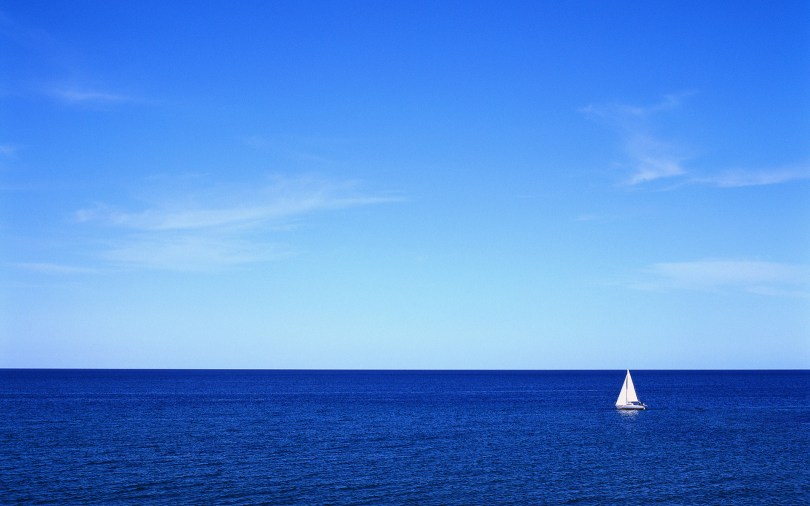
Let me stop here. Let me, too, look at nature awhile.
The brilliant blue of the morning sea, of the cloudless sky,
the yellow shore; all lovely,
all bathed in light.

Let me stand here. And let me pretend I see all this
(I really did see it for a minute when I first stopped)
and not my usual day-dreams here too,
my memories, those images of sensual pleasure.

(Translated by Edmund Keeley/Philip Sherrard)


Il tavolo accanto, Konstantinos Kavafis

Avrà sì e no ventidue anni.
Eppure sono certo che, quasi altrettanti
anni fa, questo stesso corpo io l’ho goduto.

Non è affatto esaltazione erotica.
Solo da poco sono entrato nel caffè:
non ho avuto il tempo di bere molto.
Lo stesso corpo io l’ho goduto.

E se non ricordo dove – la mia amnesia che significa?

Ah, ora, ecco, che si è seduto al tavolo accanto
riconosco ogni mossa che fa – e sotto i vestiti
lo rivedo nudo, quel corpo amato.

The Next Table

He must be barely twenty-two years old—
yet I’m certain that almost that many years ago
I enjoyed the very same body.

It isn’t erotic fever at all.
And I’ve been in the casino for a few minutes only,
so I haven’t had time to drink a great deal.
I enjoyed that very same body.

And if I don’t remember where, this one lapse of memory
doesn’t mean a thing.

There, now that he’s sitting down at the next table,
I recognize every motion he makes—and under his clothes
I see again the limbs I loved, naked.

(Translated by Edmund Keeley and Philip Sherrard)

Itaca, Konstantinos Kavafis

Quando ti metterai in viaggio per Itaca
devi augurarti che la strada sia lunga,
fertile in avventure e in esperienze.
I Lestrigoni e i Ciclopi
o la furia di Nettuno non temere,
non sarà questo il genere di incontri
se il pensiero resta alto e un sentimento
fermo guida il tuo spirito e il tuo corpo.
In Ciclopi e Lestrigoni, no certo,
né nell’irato Nettuno incapperai
se non li porti dentro
se l’anima non te li mette contro.

Devi augurarti che la strada sia lunga.
Che i mattini d’estate siano tanti
quando nei porti – finalmente e con che gioia –
toccherai terra tu per la prima volta:
negli empori fenici indugia e acquista
madreperle coralli ebano e ambre
tutta merce fina, anche profumi
penetranti d’ogni sorta;
più profumi inebrianti che puoi,
va in molte città egizie
impara una quantità di cose dai dotti.

Sempre devi avere in mente Itaca –
raggiungerla sia il pensiero costante.
Soprattutto, non affrettare il viaggio;
fa che duri a lungo, per anni, e che da vecchio
metta piede sull’isola, tu, ricco
dei tesori accumulati per strada
senza aspettarti ricchezze da Itaca.
Itaca ti ha dato il bel viaggio,
senza di lei mai ti saresti messo
in viaggio: che cos’altro ti aspetti?

E se la trovi povera, non per questo Itaca ti avrà deluso.
Fatto ormai savio, con tutta la tua esperienza addosso
già tu avrai capito ciò che Itaca vuole significare.

Ithaca

When you set out on your way to Ithaca
you should hope that your journey is a long one:
a journey full of adventure, full of knowing.Continua a leggere…

Lontano, Konstantinos Kavafis

“Questo ricordo lo vorrei raccontare…
Ma così, si è già spento… non resta quasi niente
perché lontano, ai miei primi anni verdi sta.

Pelle come se fatta di gelsomino…
Era agosto – di agosto ? – quella sera…
Ricordo appena gli occhi: erano, credo, blu…
Ah sì, di un blu zaffiro”.

Long ago

I’d like to speak of this memory…
but it’s so faded now… as though nothing is left—
because it was so long ago, in my early adolescent years.

A skin as though of jasmine…
that August evening—was it August?—
I can still just recall the eyes: blue, I think they were…
Ah yes, blue: a sapphire blue.

Translated by Edmund Keeley/Philip Sherrard
E se non puoi la vita che desideri, Konstantinos Kavafis

E se non puoi la vita che desideri
cerca almeno questo
per quanto sta in te: non sciuparla
nel troppo commercio con la gente
con troppe parole in un viavai frenetico.

Non sciuparla portandola in giro
in balìa del quotidiano
gioco balordo degli incontri
e degli inviti,
fino a farne una stucchevole estranea.

(Traduzione di Margherita Dalmàti e Nelo Risi)

As Much as You Can

Even if you can’t shape your life the way you want,
at least try as much as you can
not to degrade it
by too much contact with the world,
by too much activity and talk.

Do not degrade it by dragging it along,
taking it around and exposing it so often
to the daily silliness
of social relations and parties,
until it comes to seem a boring hanger-on.

(Translated by Edmund Keeley and Philip Sherrard)