La tragedia delle foglie, da “Burning in Water, Drowning in Flame (1983)”, Charles Bukowski

Mi destai alla siccità e le felci erano morte,
le piante in vaso gialle come grano;
la mia donna era sparita
e i cadaveri dissanguati delle bottiglie vuote
mi cingevano con la loro inutilità;
c’era ancora un bel sole, però,
e il biglietto della padrona ardeva d’un giallo caldo
e senza pretese; ora quello che ci voleva
era un buon attore, all’antica, un burlone capace di scherzare
sull’assurdità del dolore; il dolore è assurdo
perché esiste, solo per questo;
sbarbai accuratamente con un vecchio rasoio
l’uomo che un tempo era stato giovane e,
così dicevano, geniale; ma
questa è la tragedia delle foglie,
le felci morte, le piante morte;
ed entrai in una sala buia
dove stava la padrona di casa
insultante e ultimativa,
mandandomi all’inferno,
mulinando i braccioni sudati
e strillando
strillando che voleva i soldi dell’affitto
perché il mondo ci aveva tradito
tutt’e due.

The tragedy of the leaves

I awakened to dryness and the ferns were dead,
the potted plants yellow as corn;
my woman was gone
and the empty bottles like bled corpses
surrounded me with their uselessness;
the sun was still good, though,
and my landlady’s note cracked in fine and
undemanding yellowness; what was needed now
was a good comedian, ancient style, a jester
with jokes upon absurd pain; pain is absurd
because it exists, nothing more;
I shaved carefully with an old razor
the man who had once been young and
said to have genius; but
that’s the tragedy of the leaves,
the dead ferns, the dead plants;
and I walked into a dark hall
where the landlady stood
execrating and final,
sending me to hell,
waving her fat, sweaty arms
and screaming
screaming for rent
because the world has failed us
both.

Le finestre, Konstantinos Kavafis

In queste tenebrose camere, dove vivo
giorni grevi, di qua di là m’aggiro
per trovare finestre (sarà
scampo se una finestra s’apre). Ma
finestre non si trovano, o non so
trovarle. Meglio non trovarle forse.
Forse sarà la luce altra tortura.
Chi sa che cose nuove mostrerà.

The Windows

In these dark rooms my days are burdensome;
and restlessly I wander to and fro
seeking the windows. — For relief will come
if one of them wide open I should throw. —
But none is to be found, or I explore
incapably. And, haply, better so.
Perhaps the light will be one trouble more.
Who knows what novel things the light will show.

(Translated by John Cavafy)

Partii presto – presi il mio cane, Emily Dickinson

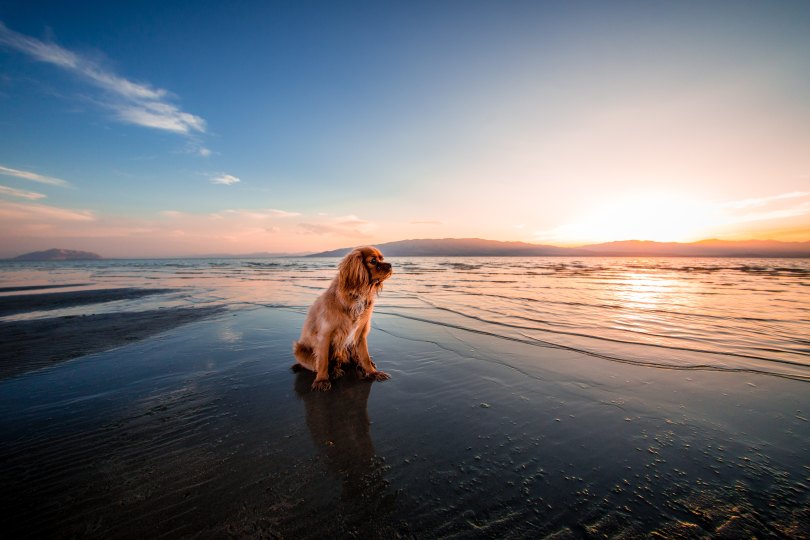
Partii presto – presi il mio cane –
e visitai il mare –
le sirene in cantina
vennero su a guardare –

e vascelli – al piano di sopra
stesero mani di canapa –
pensando fossi un topino –
incagliato – nella sabbia –

ma nessuno si spostò – finché la marea
passò la mia scarpetta –
e il grembiule – e la cintura
e passò il corpetto – anche –

e fece come per mangiarmi –
tutta – come una rugiada
sulla manica di una bocca di leone –
e allora – anch’io – mi mossi –

E lui – lui mi seguì – dappresso –
sentii il suo tallone d’argento
sulla mia caviglia – poi le mie scarpe
traboccarono di perla –

finché incontrammo la città solida –
lui sembrava non conoscere nessuno –
e inchinatosi – dandomi un’occhiata
grandiosa – il mare si ritirò –

(Trad. di Massimo Bacigalupo)

I started Early – Took my Dog –

I started Early – Took my Dog –
And visited the Sea –
The Mermaids in the Basement
Came out to look at me –
And Frigates – in the Upper Floor
Extended Hempen Hands –
Presuming Me to be a Mouse –
Aground – upon the Sands –

But no Man moved Me – till the Tide
Went past my simple Shoe –
And past my Apron – and my Belt
And past my Boddice – too –

And made as He would eat me up –
As wholly as a Dew
Upon a Dandelion’s Sleeve –
And then – I started – too –

And He – He followed – close behind –
I felt his Silver Heel
Upon my Ancle – Then My Shoes
Would overflow with Pearl –

Until We met the Solid Town –
No One He seemed to know –
And bowing – with a Mighty look –
At me – The Sea withdrew –

Vigilia di restare, da “La latitud de los caballos”, Juan Vicente Piqueras

Tutto è pronto: la valigia,
le camicie, le mappe, la vana speranza.

Tolgo la polvere dalle palpebre.
Ho messo all’occhiello
la rosa dei venti.

Tutto è a posto: il mare, l’aria, l’atlante.

Mi manca solo il quando,
il dove, un diario di bordo,
carte delle maree, venti a favore,
coraggio e qualcuno che sappia
amarmi come non so fare io.

La nave che non esiste, lo sguardo,
i rischi, le mani della meraviglia,
il filo ombelicale dell’orizzonte
che sottolinea questi versi sospensivi…

Tutto è pronto: davvero, invano.

(Trad. di Raffaella Marzano)

Víspera de quedarse

Todo está preparado: la maleta,
las camisas, los mapas, la fatua esperanza.

Me estoy quitando el polvo de los párpados.
Me he puesto en la solata
la rosa de los vientos.

Todo está a punto: el mar, el aire, el atlas.

Sólo me falta el cuándo,
el adónde, un quaderno de bitácora,
cartas de marear, vientos propicios,
valor y alguien que sepa
quererme como no sé hacerlo yo.

El barco que no esiste, la mirada,
los peligros, las manos del asombro,
el hilo umbelical del horizonte
que subraya estos versos suspensivos…

Todo está preparado: en serio, en vano.

Giovinezza, Giorno, Vecchiaia e Notte, da “Calamus”, Walt Whitman

Giovinezza, vasta, vigorosa, amante – giovinezza piena
di grazia, forza, fascino,
lo sai che la Vecchiaia può venire dopo di te con eguale
grazia, forza, fascino?

Giorno fiorito appieno e splendido – giorno
dell’immenso sole, azione, ambizione, risa,
la Notte segue da vicino con milioni di soli, il sonno e il
buio che ristora.

(Trad. di Giuseppe Conte)

Youth, Day, 0ld Age and Night

Youth, large, lusty, loving – youth full of grace, force,
fascination,
Do you know that Old Age may come after you with
equal grace, force, fascination?

Day fulI-blown and splendid – day of the immense sun,
action, ambition, laughter,
The Night foIlows close with millions of suns, and sleep
and restoring darkness.

Il mare, Antonio Machado

Lo scafo consunto e verdiccio
della vecchia feluca
riposa sul lido…
sembra la vela mozzata
che sogni ancora nel sole e nel mare.
Il mare ribolle e canta…
Il mare è un sogno sonoro
sotto il sole d’aprile.
Il mare ribolle e ride
con le onde turchine e spume di latte e argento,
il mare ribolle e ride
sotto il cielo turchino.
Il mare lattescente,
il mare rutilante,
che risa azzurre ride sulle sue cetre d’argento…
Ribolle e ride il mare!…
L’aria pare che dorma incantata
nella fulgida nebbia del sole bianchiccio.
Palpita il gabbiano nell’aria assopita, e al tardo
sonnolento volare, spicca e si perde nella foschia del sole.

El mar

El casco y la verde desgastado
el sombrero de tres picos de edad
descansa en la orilla …
parece cortar el ala
que todavía sueña en el sol y el mar.
El mar hierve y canta …
El mar es un sueño de sonido
bajo el sol de abril.
El mar hierve y se ríe
con las olas y la espuma de leche azul y plata,
el mar hierve y se ríe
bajo el cielo azul.
El mar de leche,
brillante del mar,
azul risas risa que en sus arpas de plata …
Hierva el mar y se ríe! …
El aire parece sueño encantado
en la luz del sol de niebla blanquecina.
Mejor que la gaviota en el aire dormido, y fines de la
volar sueño, se destaca y se pierde en la bruma del sol.

La terra, Anne Sexton

Senza immagine Dio vaga in paradiso
ma preferirebbe fumarsi un sigaro
o mangiarsi le unghie, e così via.

Dio è il proprietario del paradiso
ma agogna la terra, le grotticelle
assonnate della terra, l’uccellino
alla finestra di cucina, perfino
gli assassini in fila come sedie scassate,
perfino gli scrittori che si scavano
l’anima col martello pneumatico,
o gli ambulanti che vendono i loro
animaletti per soldi, anche i loro
bambini che annusano la musica
e la fattoria bianca come un osso,
seduta in braccio al suo granturco e anche
la statua che ostenta la sua vedovanza,
e perfino la scolaresca in riva all’oceano.
Ma soprattutto invidia i corpi, Lui che non l’ha.

Gli occhi apri-e-chiudi come una serratura
che registrano migliaia di ricordi,
e il cranio che include l’anguilla cervello
– tavoletta cerata del mondo –
le ossa e le giunture che si giungono
e si disgiungono – e c’è il trucco -, i genitali,
zavorra dell’eterno, e il cuore, certo,
che ingoia le maree rendendole monde.

Lui non invidia più di tanto l’anima.
Lui è tutto anima, ma vorrebbe accasarla
in un corpo e scendere quaggiù per farle
fare un bagno ogni tanto.

The Earth

God loafs around heaven,
without a shape
but He would like to smoke His cigar
or bite His fingernails
and so forth.

God owns heaven
but He craves the earth,
the earth with its little sleepy caves,
its bird resting at the kitchen window,
even its murders lined up like broken chairs,
even its writers digging into their souls
with jackhammers,
even its hucksters selling their animals
for gold,
even its babies sniffing for their music,
the farm house, white as a bone,
sitting in the lap of its corn,
even the statue holding up its widowed life,
even the ocean with its cupful of students,
but most of all He envies the bodies,
He who has no body.

The eyes, opening and shutting like keyholes
and never forgetting, recording by thousands,
the skull with its brains like eels –
the tablet of the world –
the bones and their joints
that build and break for any trick,
the genitals,
the ballast of the eternal,
and the heart, of course,
that swallows the tides
and spits them out cleansed.

He does not envy the soul so much.
He is all soul
but He would like to house it in a body
and come down
and give it a bath
now and then.

Il silenzio delle piante, Wislawa Szymborska

La conoscenza unilaterale tra voi e me
si sviluppa abbastanza bene.

So cosa sono foglia, petalo, spiga, stelo, pigna,
e cosa vi accade in aprile, e in dicembre.

Benché la mia curiosità non sia reciproca,
su alcune di voi mi chino apposta,
e verso altre alzo il capo.

Ho dei nomi da darvi:
acero, bardana, epatica,
erica, ginepro, vischio, nontiscordardimé,
ma voi per me non ne avete nessuno.

Viaggiamo insieme.
E quando si viaggia insieme si conversa,
ci si scambiano osservazioni almeno sul tempo,
o sulle stazioni superate in velocità.

Non mancherebbero argomenti, molto ci unisce.
La stessa stella ci tiene nella sua portata.
Gettiamo ombre basate sulle stesse leggi.
Cerchiamo di sapere qualcosa, ognuno a suo modo,
e ciò che non sappiamo, anch’esso ci accomuna.

Io spiegherò come posso, ma voi chiedete:
che significa guardare con gli occhi,
perché mi batte il cuore
e perché il mio cuore non ha radici.

Ma come rispondere a domande non fatte,
se per giunta si è qualcuno
che per voi è a tal punto nessuno.

Epifite, boschetti, prati e giuncheti –
tutto ciò che vi dico è un monologo
e non siete voi che lo ascoltate.

Parlare con voi è necessario e impossibile.
Urgente in questa vita frettolosa
e rimandato a mai.

(Trauduzione di Pietro Marchesani)

The Silence of Plants

A one-sided relationship is developing quite well between you and me.
I know what a leaf, petal, kernel, cone, and stem are,
and I know what happens to you in April and December.

Though my curiosity is unrequited,
I gladly stoop for some of you,
and for others I crane my neck.

I have names for you:
maple, burdock, liverwort,
eather, juniper, mistletoe, and forget-me-not;
but you have none for me.

After all, we share a common journey.
When traveling together, it’s normal to talk,
exchanging remarks, say, about the weather,
or about the stations flashing past.

We wouldn’t run out of topics
for so much connects us.
The same star keeps us in reach.
We cast shadows according to the same laws.
Both of us at least try to know something,
each in our own way,
and even in what we don’t know
there lies a resemblance.

Just ask and I will explain as best I can:
what it is to see through my eyes,
why my heart beats,
and how come my body is unrooted.

But how does someone answer questions
which have never been posed,
and when, on top of that
the one who would answer
is such an utter nobody to you?

Undergrowth, shrubbery,
meadows, and rushes…
everything I say to you is a monologue,
and it is not you who’s listening.

A conversation with you is necessary
and impossible,
urgent in a hurried life
and postponed for never.

(Translated by Joanna Trzeciak)
L’invito, Oriah Mountain Dreamer

Non mi interessa che cosa fai per guadagnarti da vivere.
Voglio sapere cosa desideri ardentemente e se osi soddisfare l’anelito del tuo cuore.
Non mi interessa quanti anni hai.
Voglio sapere se rischierai di sembrare ridicolo per amore,
per i tuoi sogni, per l’avventura di essere vivo.
Non mi interessa quali pianeti sono in quadratura con la tua luna…
Voglio sapere se hai toccato il centro del tuo dispiacere,
se sei stato aperto dai tradimenti della vita o ti sei inaridito e chiuso
per la paura di soffrire ancora.
Voglio sapere se puoi sopportare il dolore, mio o tuo,
senza muoverti per nasconderlo, sfumarlo o risolverlo.
Voglio sapere se puoi vivere con la gioia, mia o tua,
se puoi danzare con la natura e lasciare che l’estasi ti pervada
dalla testa ai piedi senza chiedere di essere attenti,
di essere realistici o di ricordare i limiti dell’essere umani.
Non mi interessa se la storia che racconti è vera,
voglio sapere se riusciresti a deludere qualcuno per mantenere fede a te stesso,
se riesci a sopportare l’accusa di tradimento senza tradire la tua anima.
Voglio sapere se puoi essere fedele e quindi degno di fiducia.
Voglio sapere se riesci a vedere la bellezza anche quando non è sempre
bella; e se puoi ricavare vita dalla Sua presenza.
Voglio sapere se riesci a vivere con il fallimento, mio e tuo,
e comunque rimanere in riva a un lago e gridare alla luna piena d’argento: “Sì!”
Non mi interessa sapere dove vivi o quanti soldi hai,
voglio sapere se riesci ad alzarti dopo una notte di dolore e di disperazione,
stanco e con le ossa a pezzi e fare ugualmente quello che devi per i tuoi figli.
Non mi interessa chi sei e come sei arrivato qui,
voglio sapere se starai nel centro del fuoco con me senza tirarti indietro.
Non mi interessa dove o che cosa o con chi hai studiato,
voglio sapere che cosa ti sostiene da dentro, quando tutto il resto crolla.
Voglio sapere se riesci a stare da solo con te stesso
e se ti piace davvero la compagnia che ti fai nei momenti di vuoto.

The Invitation by Oriah

It doesn’t interest me
what you do for a living.
I want to know
what you ache for
and if you dare to dream
of meeting your heart’s longing.
It doesn’t interest me
how old you are.
I want to know
if you will risk
looking like a fool
for love
for your dream
for the adventure of being alive.
It doesn’t interest me
what planets are
squaring your moon…
I want to know
if you have touched
the centre of your own sorrow
if you have been opened
by life’s betrayals
or have become shrivelled and closed
from fear of further pain.
I want to know
if you can sit with pain
mine or your own
without moving to hide it
or fade it
or fix it.
I want to know
if you can be with joy
mine or your own
if you can dance with wildness
and let the ecstasy fill you
to the tips of your fingers and toes
without cautioning us
to be careful
to be realistic
to remember the limitations
of being human.
It doesn’t interest me
if the story you are telling me
is true.
I want to know if you can
disappoint another
to be true to yourself.
If you can bear
the accusation of betrayal
and not betray your own soul.
If you can be faithless
and therefore trustworthy.
I want to know if you can see Beauty
even when it is not pretty
every day.
And if you can source your own life
from its presence.
I want to know
if you can live with failure
yours and mine
and still stand at the edge of the lake
and shout to the silver of the full moon,
“Yes.”
It doesn’t interest me
to know where you live
or how much money you have.
I want to know if you can get up
after the night of grief and despair
weary and bruised to the bone
and do what needs to be done
to feed the children.
It doesn’t interest me
who you know
or how you came to be here.
I want to know if you will stand
in the centre of the fire
with me
and not shrink back.
It doesn’t interest me
where or what or with whom
you have studied.
I want to know
what sustains you
from the inside
when all else falls away.
I want to know
if you can be alone
with yourself
and if you truly like
the company you keep
in the empty moments.

By Oriah © Mountain Dreaming,
from the book The Invitation
published by HarperONE, San Francisco,
1999 All rights reserved

Mentre andavo, Johann Wolfgang Goethe

Andavo per i campi
così, per conto mio,
e non cercare niente
era quello che volevo.

E lì c’era un fiorellino,
subito lì, vicino,
che nella vita mai
ne vidi uno più bello.

Volevo coglierlo,
ma il fiore mi disse:
possiedo radici,
e sono ben nascoste.

Giù nel profondo
sono interrato;
per questo i miei fiori
son belli tondi.

Non so amoreggiare,
non so adulare;
non cogliermi devi,
ma trapiantare.

Im Vorübergehn

Ich ging im Felde
So für mich hin,
Und nichts zu suchen,
Das war mein Sinn.

Da stand ein Blümchen
Sogleich so nah,
dass ich im Leben
Nichts lieber sah.

Ich wollt es brechen,
da sagt es schleunig:
Ich habe Wurzeln,
Die sind gar heimlich.

Im tiefen Boden
bin ich gegründet;
Drum sind die Blüten
So schön geründet.

Ich kann nicht liebeln,
Ich kann nicht schranzen;
musst mich nicht brechen,
musst mich verpflanzen.