D’inverno due specie di campi sulle colline verso Prosser: campi di grano novello, verde, le marze che di notte vengono fuori dalla terra arata e aspettano e poi salgono ancora, e germogliano. Le anatre amano questo grano verde. Anch’io ne ho mangiato una volta, per provare.
Poi campi di stoppie di grano fino al fiume. Sono i campi che hanno perso tutto. Di notte cercano di ricordare la loro giovinezza, ma il loro respiro è lento e irregolare, mentre le loro vite affondano nei solchi oscuri. Le anatre amano anche questo grano sbriciolato. Ci muoiono, per quello.
Tutto però è scordato, tutto o quasi, prima piuttosto che poi, se Dio vuole – padri e amici, ognuno attraversa la tua vita dentro e poi fuori; per un poco ci sono donne, poi via, e i campi volgono le spalle, svaniscono nella pioggia. Tutto passa, non Prosser.
Quelle notti, ritornando fra miglia di campi di grano – i fari rastrellavano i campi a ogni curva – Prosser, quel paese, brillava appena giunti sulle colline; il rantolo del radiatore, noi stanchi morti, odore di polvere da sparo ancora sulle dita: a stento posso vederlo, lui, mio padre: dà un’occhiata dal parabrezza di quella vettura e dice: Prosser.
(Traduzione di Riccardo Duranti e Francesco Durante)
Prosser
In winter two kinds of fields on the hills outside Prosser: fields of new green wheat, the slips rising overnight out of the plowed ground, and waiting, and then rising again, and budding. Geese love this green wheat. I ate some of it once too, to see.
And wheat stubble-fields that reach to the river. These are the fields that have lost everything. At night they try to recall their youth, but their breathing is slow and irregular as their life sinks into dark furrows. Geese love this shattered wheat also. They will die for it.
But everything is forgotten, nearly everything, and sooner rather than later, please God— fathers, friends, they pass into your life and out again, a few women stay a while, then go, and the fields turn their backs, disappear in rain. Everything goes, but Prosser.
Those nights driving back through miles of wheat fields— headlamps raking the fields on the curves— Prosser, that town, shining as we break over hills, heater rattling, tired through to bone, the smell of gunpowder on our fingers still: I can barely see him, my father, squinting through the windshield of that cab, saying, Prosser.
Mi chiedo che n’è stato di tutte quelle alte astrazioni che posavano, agghindate e statuarie, nei dipinti e sfilavano in parata nelle pagine del Rinascimento sfoggiando le loro lettere maiuscole come targhe d’automobili.
Verità che andava al piccolo galoppo su un potente cavallo, Castità, con lo sguardo abbassato, che armeggiava con i veli. Ciascuna era un marmo messo in vita, un pensiero in un cappotto, Cortesia che si inchinava con una mano sempre protesa,
Malvagità che affilava uno strumento dietro un muro, Ragione con la corona e Coerenza vigile dietro al timone. Sono tutte in pensione ora, relegate in una Florida per tropi. Giustizia è là, in piedi accanto a un frigo aperto.
Coraggio è sdraiato a letto ad ascoltare la pioggia. Anche Morte non ha niente da fare, solo rammendare mantello e cappuccio, e tutti i loro oggetti di scena sono chiusi a chiave in un magazzino, clessidre, globi, bende e ceppi.
Anche se tu le richiamassi in servizio, non avrebbero più un posto dove andare, né Giardini della Gioia, né Pergolati della Felicità, la Valle del Perdono è solcata da condomini, e le motoseghe ululano nella Selva della Disperazione.
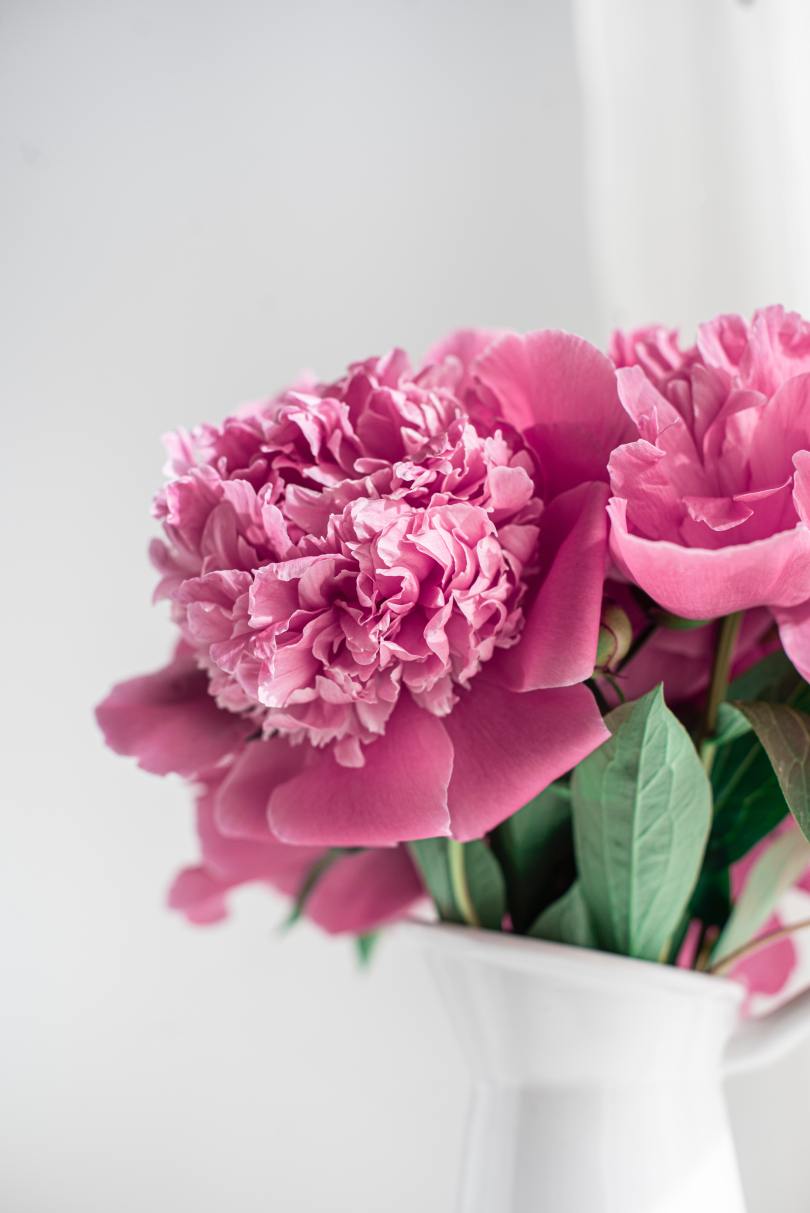
Qui, sul tavolo, vicino alla finestra c’è un vaso di peonie e accanto un binocolo nero e un fermaglio per i soldi, proprio il tipo di cose che oggi preferiamo, oggetti che si dispongono quieti su un verso con lettere minuscole,
proprio loro e nient’altro, una carriola, una cassetta postale vuota, una lametta lasciata in un portacenere di vetro. Quanto alle altre, le grandi idee a cavallo e le virtù dai lunghi capelli in vesti ricamate,
sembra che abbiano perso la strada che vedi nell’ultima pagina dei libri di storie, quella che sale su per la collina verde e scompare in una valle invisibile dove tutti devono essere immersi nel sonno.
(Traduzione di Franco Nasi)
“La morte di allegoria” è una poesia riflessiva e ironica che si concentra sullo stile allegorico del Rinascimento, presente in dipinti e testi, dove persone, oggetti e cose sono simboli e portano un significato figurativo. È anche una poesia di riflessione sul cambiamento e la moda nelle arti e nella società: com’è tipico di Billy Collins, contiene arguzia, fascino e intelligenza giocosa, insieme a immagini vivide e umorismo.
The Death of Allegory
I am wondering what became of all those tall abstractions that used to pose, robed and statuesque, in paintings and parade about on the pages of the Renaissance displaying their capital letters like license plates.
Truth cantering on a powerful horse, Chastity, eyes downcast, fluttering with veils. Each one was marble come to life, a thought in a coat, Courtesy bowing with one hand always extended,
Villainy sharpening an instrument behind a wall, Reason with her crown and Constancy alert behind a helm. They are all retired now, consigned to a Florida for tropes. Justice is there standing by an open refrigerator.
Valor lies in bed listening to the rain. Even Death has nothing to do but mend his cloak and hood, and all their props are locked away in a warehouse, hourglasses, globes, blindfolds and shackles.
Even if you called them back, there are no places left for them to go, no Garden of Mirth or Bower of Bliss. The Valley of Forgiveness is lined with condominiums and chain saws are howling in the Forest of Despair.
Here on the table near the window is a vase of peonies and next to it black binoculars and a money clip, exactly the kind of thing we now prefer, objects that sit quietly on a line in lower case,
themselves and nothing more, a wheelbarrow, an empty mailbox, a razor blade resting in a glass ashtray. As for the others, the great ideas on horseback and the long-haired virtues in embroidered gowns,
it looks as though they have traveled down that road you see on the final page of storybooks, the one that winds up a green hillside and disappears into an unseen valley where everyone must be fast asleep.
Il mondo sottomarino, Foreste al fondo del mare, i rami, le foglie, Ulve, ampi licheni, strani fiori e sementi, folte macchie, radure, prati rosa, Variegati colori, pallido grigio verde, porpora, bianco e oro, la luce vi scherza fendendo le acque. Esseri muti nuotan laggiù tra le rocce, il corallo, il glutine, l’erba, i giunchi, e l’alimento dei nuotatori. Esseri torpidi brucan fluttuando laggiù, o arrancano lenti sul fondo. Il capodoglio affiora a emetter lo sbuffo d’aria e vapore, o scherza con la sua coda. Lo squalo dall’occhio di piombo, il tricheco, la testuggine, il peloso leopardo marino, la razza, E passioni, guerre, inseguimenti, tribù, affondare lo sguardo in quei fondi marini, respirando quell’aria così densa che tanti respirano, Il cambiamento, volgendo lo sguardo qui o all’aria sottile respirata da esseri che al pari di noi su questa sfera camminano. Il cambiamento più oltre, dal nostro mondo passando a quello di esseri che in altre sfere camminano.
The World Below the Brine
The world below the brine, Forests at the bottom of the sea, the branches and leaves, Sea-lettuce, vast lichens, strange flowers and seeds, the thick tangle, openings, and pink turf, Different colors, pale gray and green, purple, white, and gold, the play of light through the water, Dumb swimmers there among the rocks, coral, gluten, grass, rushes, and the aliment of the swimmers, Sluggish existences grazing there suspended, or slowly crawling close to the bottom, The sperm-whale at the surface blowing air and spray, or disporting with his flukes, The leaden-eyed shark, the walrus, the turtle, the hairy sea-leopard, and the sting-ray, Passions there, wars, pursuits, tribes, sight in those ocean-depths, breathing that thick-breathing air, as so many do, The change thence to the sight here, and to the subtle air breathed by beings like us who walk this sphere, The change onward from ours to that of beings who walk other spheres.
Ricorda non solo quando fosti amato, corpo, non solo i letti sopra cui giacesti ma anche quei desideri che per te brillavano negli occhi apertamente, tremavano nella voce – resi vani da qualche impedimento casuale. Ora che tutto è parte del passato, è come se ti fossi concesso anche a quei desideri – ricordali brillare negli occhi volti verso te, tremare nella voce, per te, ricorda, corpo.
Da “La memoria e la passione” a cura di Filippomaria Pontani
Body, Remember…
Body, remember not only how much you were loved, not only the beds you lay on, but also those desires that glowed openly in eyes that looked at you, trembled for you in the voices— only some chance obstacle frustrated them. Now that it’s all finally in the past, it seems almost as if you gave yourself to those desires too—how they glowed, remember, in eyes that looked at you, remember, body, how they trembled for you in those voices.
(Translation by Edmund Keeley and Philip Sherrard)
_______________________________________
Sergei Polunin performing Moonlight Sonata in Japan, Otobutai Festival, September 2019
La Grazia – che Io – non potei ottenere – Concedi al Mio fiore – Non altro che il rifrangersi di un Volto – Perché Io – vivo in Lui –
(Traduzione di Giuseppe Ierolli)
Nota del traduttore: Probabilmente accompagnava un fiore, che porta con sé molto di più di quanto un fiore sia solito portare: il rifrangersi del volto di chi chiede per il dono quella grazia non avuta per sé. E lo sguardo che chi lo riceve darà a questo fiore, sarà uno sguardo dato anche a me che lo dono, perché io abito in lui. Nel terzo verso ED non usa “face” ma “countenance”, che ha però frequentemente il significato di “lineamenti del viso” (nel Webster: “appearance of the face”).
The Grace—Myself—might not obtain
The Grace—Myself—might not obtain— Confer upon My flower— Refracted but a Countenance— For I—inhabit Her—
Splendide mattinate. Giorni in cui mi manca tanto che non mi manca niente. Mi basta questa vita e non voglio altro. Immobile, spero che nessuno arrivi. Ma se arriva qualcuno, spero sia lei. Quella con le stelline di brillanti sulla punta delle scarpe. La ragazza che ho visto danzare il minuetto. Quell’antica danza. Il minuetto. Lo danzava come doveva essere danzato. E a modo suo.
(Traduzione di Riccardo Duranti e Francesco Durante)
The Minuet
Bring mornings. Days when I want so much I want nothing. Just this life, and no more. Still, I hope no one comes along. But if someone does, I hope it’s her. The one with the little diamond stars at the toes of her shoes. The girl I saw dance the minuet. That antique dance. The minuet. She danced that the way it should be danced. And the way she wanted.
“così all’improvviso chi poteva pensarlo” “lo stress e le sigarette, io glie lo dicevo” “così così, grazie” “scarta quei fiori” “anche per il fratello fu il cuore, dev’essere di famiglia” “con questa barba non l’avrei mai riconosciuto” “se l’è voluto, era un impiccione” “doveva parlare quello nuovo, ma non lo vedo” “Kazek è a Varsavia, Tadek all’estero” “tu sola hai avuto la buona idea di prendere l’ombrello” “era il più in gamba di tutti, e a che gli è servito?” “è una stanza di passaggio, Baska non la vorrà” “certo, aveva ragione, ma non è un buon motivo” “con la verniciatura delle portiere, indovina quanto” “due tuorli, un cucchiaio di zucchero” “non erano affari suoi che bisogno aveva” “soltanto azzurre e solo numeri piccoli” “cinque volte, mai una risposta” “d’accordo, avrei potuto, ma anche tu potevi” “meno male che almeno lei aveva quel piccolo impiego” “bè, non so, probabilmente parenti” “il prete è un vero Belmondo” “non ero mai stata in questa parte del cimitero” “l’ho sognato la settimana scorsa, un presentimento” “niente male la figliola” “ci aspetta tutti la stessa fine” “le mie condoglianze alla vedova, devo fare in tempo a” “però in latino era più solenne” “è la vita” “arrivederla, signora” “e se ci bevessimo una birra da qualche parte” “telefonami, ne parleremo” “con il quattro o con il dodici” “io vado per di là” “noi per di qua”
(Traduzione di Pietro Marchesani)
Una giocosità linguistica elegante in questa poesia che consiste semplicemente in una serie di frasi strappate dalla conversazione tra le persone durante un funerale. Lo stato d’animo del lutto, la rinnovata consapevolezza della mortalità, le parole di commiserazione attese in un funerale ci sono, ma sono mescolate a banali frammenti di conversazione. Anche in un’occasione così dolorosa e cupa la vita va avanti.
Funeral
“so suddenly, who would’ve expected it” “stress and cigarettes, I told him” “not bad, thank you” “unwrap these flowers” “his brother’s heart did him in too, must run in the family” “I wouldn’t have recognized you with that beard” “it’s his own fault, he was always getting himself into something” “that new guy was supposed to speak. I don’t see him anywhere” “Kazek is in Warsaw, Tadek went abroad” “you were the only one with enough sense to bring an umbrella” “so what that he was the most talented of them all” “it’s a walk-through room, Baska won’t go for it” “sure he was right, but that still isn’t really the reason” “and a paint job on both doors, guess how much” “two egg yolks, one tablespoon sugars” “it was none of his business, why did he mess with it” “only in blue, and in small sizes” “five times with no answer” “all right, I could have done it, but so could you have” “good thing she had that part-time job” “I don’t know, maybe the relatives” “the priest is a veritable Belmondo” “I’ve never been to this part of the cemetery” “I dreamed about him last week, something struck me” “the daughter’s not bad-looking” “it happens to all of us” “give my best to the widow, I have to make it to” “it sounded much more solemn in Latin” “it came and went” “good-bye Ma’am” “let’s go grab a beer somewhere” “call me, we’ll talk” “either No. 4 or 12” “I’m going this way” “we’re not”
(Translated from Polish by Joanna Maria Trzeciak)
_________________________________________
Teodor Currentzis | Patricia Kopatchinskaja | Dowland: Weep you no more, sad fountains | SWR Symphonieorchester







 nonsolobiancoenero