Serata d’autore, da “Sale” (1962), Wislawa Szymborska

O Musa, essere un pugile o non essere affatto.
Ci hai lesinato un pubblico in tumulto.
Ci sono dodici persone ad ascoltare,
è tempo ormai di cominciare.
Metà è venuta perché piove,
gli altri sono parenti. O Musa.

Le donne sverrebbero liete in questa serata,
non qui però, ma solo ad un match di pugilato.
Le scene dantesche sono soltanto lì.
E le ascese in cielo. O Musa.

Non essere un pugile, essere un poeta,
avere una condanna ai valéry forzati,
in mancanza di muscoli mostrare al mondo
poesiole da leggersi a scuola – tutt’al più –
o Musa. O Pegaso,
angelo equino.

In prima fila un vecchietto dolcemente sogna
che la moglie buonanima, risorta,
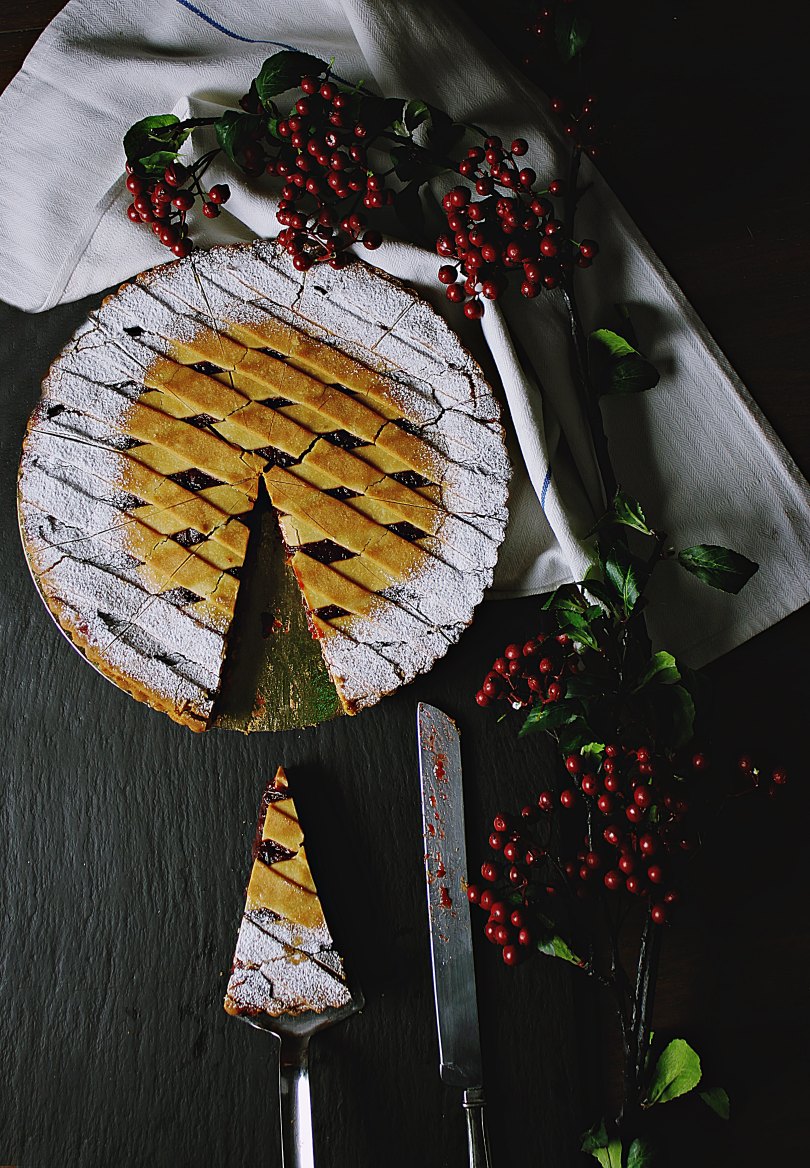
gli sta per cuocere la crostata di prugne.
Con calore, ma non troppo, ché il dolce non bruci,
cominciamo a leggere. O Musa.

(Traduzione di Pietro Marchesani)

Poetry Reading

To be a boxer, or not to be there
at all. O Muse, where are our teeming crowds?
Twelve people in the room, eight seats to spare
it’s time to start this cultural affair.
Half came inside because it started raining,
the rest are relatives. O Muse.

The women here would love to rant and rave,
but that’s for boxing. Here they must behave.
Dante’s Inferno is ringside nowadays.
Likewise his Paradise. O Muse.

Oh, not to be a boxer but a poet,
one sentenced to hard shelleying for life,
for lack of muscles forced to show the world
the sonnet that may make the high-school reading lists
with luck. O Muse,
O bobtailed angel, Pegasus.

In the first row, a sweet old man’s soft snore:
he dreams his wife’s alive again. What’s more,
she’s making him that tart she used to bake.
Aflame, but carefully-don’t burn his cake!
we start to read. O Muse.

(Translated from Polish by Stanislaw Baranczak and Clare Cavanagh)

Monotonia, Konstantinos Kavafis

A un giorno monotono ne segue
un altro monotono, identico. Accadranno
le stesse cose, riaccadranno di nuovo –
gli stessi istanti ci trovano e ci abbandonano.

Un mese passa e porta un altro mese.
I fatti che avverranno si intuiscono facilmente:
sono gli stessi noiosi fatti di ieri.
E il domani finisce per non sembrare più domani.

Monotony

O these monotonous days — the weary train
of days that are alike, monotonous.
The same things will befall, — be yet again;
the like hours find us and abandon us.

Month follows when the month has passed away.
The things now coming can be told before:
they are those tiresome things of yesterday:
and the morrow seems not the morrow any more.

(Poems by C. P. Cavafy. Translated, from the Greek, by J. C. Cavafy. Ikaros, 2003)

Ho sempre sentito la perdita di qualcosa -, Emily Dickinson

Ho sempre sentito la perdita di qualcosa –
la primissima cosa che ricordo
è una mancanza – di cosa non sapevo –
Troppo giovane perché qualcuno sospettasse

una dolente fra i bambini
ciò nondimeno mi aggiravo
come chi rimpianga un regno
essendo il solo principe cacciato –

Più vecchia, oggi, un’epoca più saggia
e più debole anche, com’è della saggezza –
mi trovo ancora a cercare piano
i miei palazzi trafugati –

e un sospetto, come un dito
mi sfiora la fronte di tanto in tanto
che sto cercando all’opposto
dove si trovi il regno dei cieli –

(Traduzione di Massimo Bacigalupo)

A loss of something ever felt I –

A loss of something ever felt I –
The first that I could recollect
Bereft I was — of what I knew not
Too young that any should suspect

A Mourner walked among the children
I notwithstanding went about
As one bemoaning a Dominion
Itself the only Prince cast out –

Elder, Today, a session wiser
And fainter, too, as Wiseness is –
I find myself still softly searching
For my Delinguent Palaces –

And a Suspicion, like a Finger
Touches my Forehead now and then
That I am looking oppositely
For the site of the Kingdom of Heaven –