Questa mattina, Raymond Carver

Questa mattina è stata portentosa. Un po’ di neve
copriva il terreno. Il sole galleggiava in un limpido
cielo azzurro. Anche il mare era azzurro e verde azzurro
fino all’orizzonte.
Neanche un’increspatura. Calmo. Mi sono vestito e sono
uscito
a fare una passeggiata – deciso a non tornare indietro
prima d’aver assorbito tutto quello che la Natura aveva da
offrirmi.
Sono passato accanto a vecchi alberi curvi.
Ho attraversato un campo disseminato di pietre
dove la neve s’era ammucchiata in banchi. Ho proseguito
fino ad arrivare alla scogliera.
Da lì ho guardato il mare e il cielo e
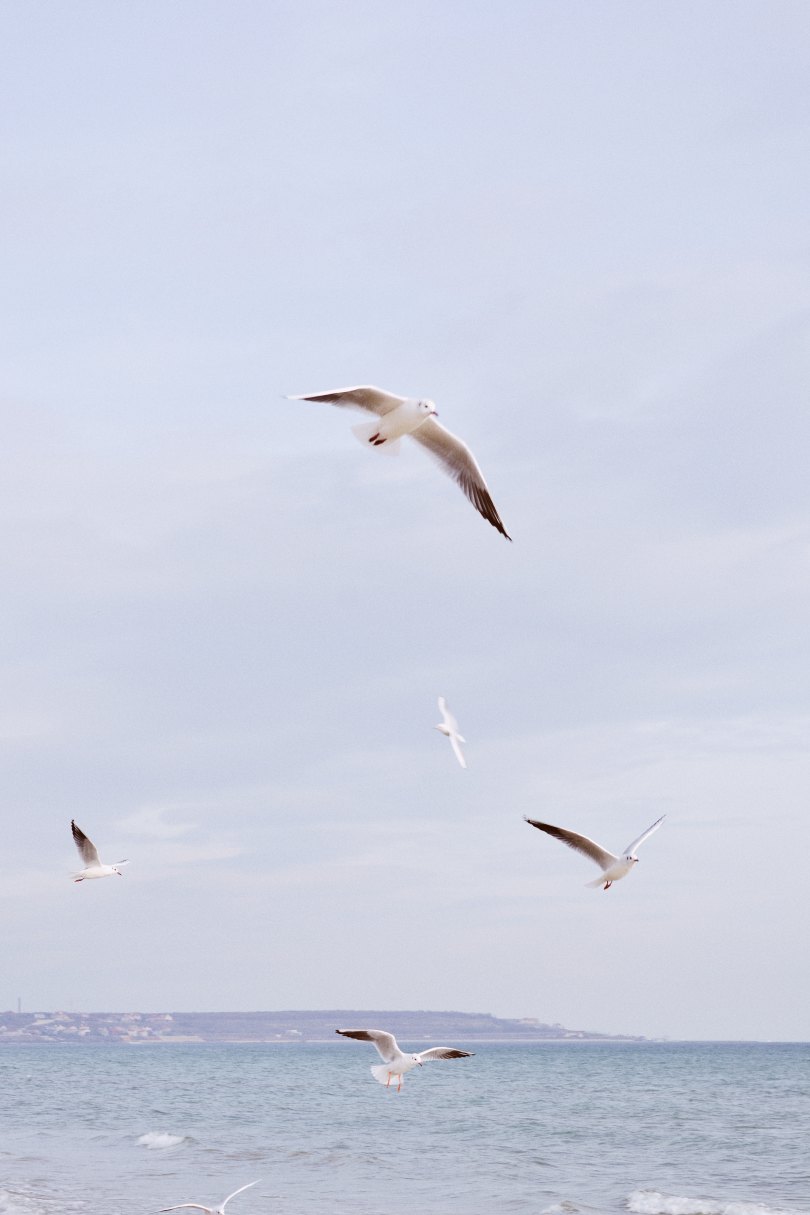
i gabbiani che volteggiavano sulla spiaggia bianca
laggiù. Tutto bello. Tutto immerso in una luce
pura e fredda. Ma poi, al solito, i miei pensieri
hanno cominciato a vagare. Con uno sforzo di volontà
ho cercato di vedere quel che vedevo
e nulla più. Mi sono dovuto dire che era questo
che contava, non le altre cose. (E ci sono riuscito,
per qualche istante!) Per qualche istante
sono riuscito a scacciare i soliti pensieri su
quel che è giusto o sbagliato – il dovere,
i teneri ricordi, i pensieri di morte, come dovrei comportarmi
con la mia ex moglie. Tutte le cose
che speravo sparissero questa mattina.
Le cose con cui convivo ogni giorno. Quel che
ho calpestato per continuare a vivere.
Per qualche istante mi sono distratto
da me stesso e da tutto il resto. Ne sono sicuro.
Perché quando mi sono voltato non sapevo più
dov’ero. Finché alcuni uccelli non si sono alzati
dagli alberi contorti. E sono volati
nella direzione in cui dovevo andare.

(Traduzione di Riccardo Duranti e Francesco Durante)

This Morning

This morning was something. A little snow
lay on the ground. The sun floated in a clear
blue sky. The sea was blue, and blue-green,
as far as the eye could see.
Scarcely a ripple. Calm. I dressed and went
for a walk — determined not to return
until I took in what Nature had to offer.
I passed close to some old, bent-over trees.
Crossed a field strewn with rocks
where snow had drifted. Kept going
until I reached the bluff.
Where I gazed at the sea, and the sky, and
the gulls wheeling over the white beach
far below. All lovely. All bathed in a pure
cold light. But, as usual, my thoughts
began to wander. I had to will
myself to see what I was seeing
and nothing else. I had to tell myself this is what
mattered, not the other. (And I did see it,
for a minute or two!) For a minute or two
it crowded out the usual musings on
what was right, and what was wrong — duty,
tender memories, thoughts of death, how I should treat
with my former wife. All the things
I hoped would go away this morning.
The stuff I live with every day. What
I’ve trampled on in order to stay alive.
But for a minute or two I did forget
myself and everything else. I know I did.
For when I turned back i didn’t know
where I was. Until some birds rose up
from the gnarled trees. And flew
in the direction I needed to be going.

Insonnia invernale, Raymond Carver

La mente non può dormire, può solo giacere sveglia,
ingolfata, ad ascoltare la neve che si aduna
come per l’assalto finale.

Vorrebbe che venisse Čechov a somministrarle
qualcosa – tre gocce di valeriana, un bicchiere
d’acqua di rose – qualunque cosa, non importa.

La mente vorrebbe uscire di qui
fuori sulla neve. Vorrebbe correre
con un branco di bestie irsute, tutte denti,

sotto la luna, in mezzo alla neve, senza
lasciare traccia, neanche un’impronta, nulla.
È malata, stasera, la mente.

Winter Insomnia

The mind can’t sleep, can only lie awake and
gorge, listening to the snow gather as
for some final assault.

It wishes Checkov were here to minister
something—three drops of valerian, a glass
of rose water—anything, it wouldn’t matter.

The mind would like to get out of here
onto the snow. It would like to run
with a pack of shaggy animals, all teeth,

under the moon, across the snow, leaving
no prints or spoor, nothing behind.
The mind is sick tonight.

Ultimo frammento, da “Orientarsi con le stelle”, Raymond Carver

E hai ottenuto quello che
volevi da questa vita, nonostante tutto?
Sì.
E cos’è che volevi?
Potermi dire amato, sentirmi
amato sulla terra.

(Traduzione di Riccardo Duranti e Francesco Durante)

Late Fragment

And did you get what
you wanted from this life, even so?
I did.
And what did you want?
To call myself beloved, to feel myself
beloved on the earth.

Pioggia, da “Orientarsi con le stelle”, Raymond Carver

Mi sono svegliato stamattina con
una gran voglia di restare a letto tutto il giorno
a leggere. Ho cercato di combatterla per un minuto.

Poi ho guardato fuori dalla finestra alla pioggia.
E mi sono arreso. Mi sono affidato totalmente
alla custodia di questa mattinata piovosa.

Rivivrei la mia vita un’altra volta?
Rifarei gli stessi imperdonabili errori?
Sì, se appena potessi, sì. Li rifarei.

(Traduzione di Riccardo Duranti e Francesco Durante)

Rain 

Woke up this morning with
a terrific urge to lie in bed all day
and read. Fought against it for a minute.

Then looked out the window at the rain.
And gave over. Put myself entirely
in the keep of this rainy morning.

Would I live my life over again?
Make the same unforgiveable mistakes?
Yes, given half a chance. Yes.

Abbi cura, Raymond Carver

Dalla finestra la vedo chinarsi sulle rose
reggendole vicino al fiore per non
pungersi le dita. Con l’altra mano taglia, si ferma e
poi taglia ancora, più sola al mondo
di quanto mi sia mai reso conto. Non alzerà
lo sguardo, non subito. E’ sola
con le rose e con qualcosa che riesco solo a pensare, ma non
a dire. So bene come si chiamano quei cespugli

regalatici per le nostre nozze tardive: Ama, Onora e Abbi Cura…
è quest’ultima la rosa che all’improvviso mi porge, dopo
essere entrata in casa tra uno sguardo e l’altro. Ci affondo
il naso, ne aspiro la dolcezza, lascio che mi s’attacchi addosso – profumo
di promessa, di tesoro. Le prendo il polso perché mi venga più vicina,
i suoi occhi verdi come muschio di fiume. E poi la chiamo, contro
quel che avverrà: moglie, finché posso, finché il mio respiro, un petalo
affannato dietro l’altro, riesce ancora a raggiungerla.

(Traduzione di Riccardo Duranti)

Cherish

From the window I see her bend to the roses
holding close to the bloom so as not to
prick her fingers. With the other hand she clips, pauses and
clips, more alone in the world
than I had known. She won’t
look up, not now. She’s alone
with roses and with something else I can only think, not
say. I know the names of those bushes

given for our late wedding: Love, Honor, Cherish–
this last the rose she holds out to me suddenly, having
entered the house between glances. I press
my nose to it, draw the sweetness in, let it cling–scent
of promise, of treasure. My hand on her wrist to bring her close,
her eyes green as river-moss. Saying it then, against
what comes: wife, while I can, while my breath, each hurried petal
can still find her.

Paura, da “All of Us”, Raymond Carver

Paura di vedere la macchina della polizia fermarsi davanti casa.
Paura di addormentarsi la notte.
Paura di non addormentarsi.
Paura del ritorno del passato.
Paura del presente che fugge.
Paura del telefono che squilla nel cuore della notte.
Paura delle tempeste elettriche.
Paura della signora delle pulizie con un neo sul viso!
Paura dei cani che mi hanno detto che non mordono.
Paura dell’ansia!
Paura di dover identificare il cadavere di un amico.
Paura di finire i soldi.
Paura di averne troppi, anche se a questo non ci crederanno mai.
Paura dei risultati dei test psicologici.
Paura di essere in ritardo e paura di arrivare prima degli altri.
Paura della calligrafia dei miei figli sulle buste.
Paura che muoiano prima di me e che mi sentirò in colpa.
Paura di dover vivere con mia madre anziana, anziano anch’io.
Paura della confusione.
Paura che questo giorno finisca su una brutta nota.
Paura di svegliarmi e scoprire che te ne sei andata.
Paura di non amare o di non amare abbastanza.
Paura che quel che amo risulterà letale per quelli che amo.
Paura della morte.
Paura di vivere troppo.
Paura della morte.

L’ho già detta.

Fear

Fear of seeing a police car pull into the drive.
Fear of falling asleep at night.
Fear of not falling asleep.
Fear of the past rising up.
Fear of the present taking flight.
Fear of the telephone that rings in the dead of night.
Fear of electrical storms.
Fear of the cleaning woman who has a spot on her cheek!
Fear of dogs I’ve been told won’t bite.
Fear of anxiety!
Fear of having to identify the body of a dead friend.
Fear of running out of money.
Fear of having too much, though people will not believe this.
Fear of psychological profiles.
Fear of being late and fear of arriving before anyone else.
Fear of my children’s handwriting on envelopes.
Fear they’ll die before I do, and I’ll feel guilty.
Fear of having to live with my mother in her old age, and mine.
Fear of confusion.
Fear this day will end on an unhappy note.
Fear of waking up to find you gone.
Fear of not loving and fear of not loving enough.
Fear that what I love will prove lethal to those I love.
Fear of death.
Fear of living too long.
Fear of death.

I’ve said that.

Attesa, Raymond Carver

Esci dalla statale a sinistra e
scendi giù dal colle. Arrivato
in fondo, gira ancora a sinistra.
Continua sempre a sinistra. La strada
arriva a un bivio. Ancora a sinistra.
C’è un torrente, sulla sinistra.
Prosegui. Poco prima
della fine della strada incroci
un’altra strada. Prendi quella
e nessun’altra. Altrimenti
ti rovinerai la vita
per sempre. C’è una casa di tronchi
con il tetto di tavole, a sinistra.
Non è quella che cerchi. É quella
appresso, subito dopo
una salita. La casa
dove gli alberi sono carichi
di frutta. Dove flox, forsizia e calendula
crescono rigogliose. É quella
la casa dove, in piedi sulla soglia,
c’è una donna
con il sole nei capelli. Quella
che è rimasta in attesa
fino ad ora.
La donna che ti ama.
L’unica che può dirti:
“Come mai ci hai messo tanto?”

(Traduzione di Riccardo Duranti e Francesco Durante)

Waiting

Left off the highway and
down the hill. At the
bottom, hang another left.
Keep bearing left. The road
will make a Y. Left again.
There’s a creek on the left.
Keep going. Just before
the road ends, there’ll be
another road. Take it
and no other. Otherwise,
your life will be ruined
forever. There’s a log house
with a shake roof, on the left.
It’s not that house. It’s
the next house, just over
a rise. The house
where trees are laden with
fruit. Where phlox, forsythia,
and marigold grow. It’s
the house where the woman
stands in the doorway
wearing the sun in her hair. The one
who’s been waiting
all this time.
The woman who loves you.
The one who can say,
“What’s kept you?”

From All of Us: The Collected Poems (Alfred A. Knopf)

Dove l’acqua con altra acqua si confonde, Raymond Carver

Adoro i torrenti e la musica che fanno.
E i ruscelli, nelle radure e nei prati, prima
che diventino torrenti.
Forse li adoro soprattutto
per la loro segretezza. A momenti dimenticavo
di dire qualcosa sulle sorgenti!
Può esserci una cosa più meravigliosa di una fonte?
Ma anche i grandi corsi d’acqua hanno il mio cuore.
E i luoghi in cui confluiscono nei fiumi.
Le foci aperte dei fiumi che sboccano nel mare.
I luoghi dove l’acqua con altra acqua
si confonde. Questi luoghi mi si stagliano
nella mente come luoghi sacri.
Ma questi fiumi lungo la costa!
Li amo come alcuni amano i cavalli
o le donne affascinanti. Ho un debole
per questa acqua veloce e fredda.
Mi basta guardarla perché il sangue scorra più veloce
e un brivido mi percorra la pelle. Potrei starli
a guardare per ore questi fiumi.
Non ce n’è uno che somigli a un altro.
Oggi compio quarantacinque anni.
Chi ci crederebbe ora se dicessi
che una volta ne avevo trentacinque?
E che avevo il cuore freddo e vuoto, a trentacinque anni!
Sarebbero passati altri cinque anni
prima che ricominciasse a scorrervi del sangue.
Mi prenderò tutto il tempo che voglio oggi pomeriggio
prima di lasciare questo posto accanto al fiume.
Mi piace amare i fiumi.
Amarli a monte fino
alla sorgente.
Amare tutto quello che mi fa crescere.

(Traduzione di Riccardo Duranti)

Where Water Comes Together with Other Water

I love creeks and the music they make.
And rills, in glades and meadows, before
they have a chance to become creeks.
I may even love them best of all
for their secrecy. I almost forgot
to say something about the source!
Can anything be more wonderful than a spring?
But the big streams have my heart too.
And the places streams flow into rivers.
The open mouths of rivers where they join the sea.
The places where water comes together
with other water. Those places stand out
in my mind like holy places.
But these coastal rivers!
I love them the way some men love horses
or glamorous women. I have a thing
for this cold swift water.
Just looking at it makes my blood run
and my skin tingle. I could sit
and watch these rivers for hours.
Not one of them like any other.
I’m 45 years old today.
Would anyone believe it if I said
I was once 35?
My heart empty and sere at 35!
Five more years had to pass
before it began to flow again.
I’ll take all the time I please this afternoon
before leaving my place alongside this river.
It pleases me, loving rivers.
Loving them all the way back
to their source.
Loving everything that increases me.

Voi non sapete cos’è l’amore (una serata con Charles Bukowski), Raymond Carver

Voi non lo sapete che cos’è l’amore ha detto Bukowski
Io ho 51 anni guardatemi
sono innamorato di questa pollastrella sono cotto ma anche lei si è fissata
e insomma va bene così è così che deve andare
gli entro nel sangue e non ce la fanno a sbattermi fuori
Le provano tutte per liberarsi di me
però alla fine tornano tutte indietro
Sono tornate tutte fuorché quella che avevo piantato
Ci ho pianto per quella
però in quei giorni piangevo facile
Non datemi da bere roba forte
se no divento cattivo
Posso starmene qui a bere birra
con voi hippies tutta la notte
potrei berne dieci litri di questa birra
e niente come fosse acqua
Ma se tocchiamo la roba forte
mi metto a buttar la gente fuori dalle finestre
butto fuori tutti dalla finestra I’ho già fatto
Ma voi non lo sapete che cos’è l’amore
Non lo sapete perché
non siete mai stati innamorati è chiaro
lo me la faccio con questa pollastrella lei è carina
Mi chiama Bukowski
Bukowski dice con questa vocina
e io dico Che c’è
Ma voi non lo sapete che cos’è l’amore
ve lo dico io che cos’è
ma voi non mi ascoltate
Non ce n’è uno di voi in questa stanza
che potrebbe riconoscere l’amore neanche se si alzasse
e ve lo mettesse nel culo
L’ho sempre pensato che le letture di poesia significano svendersi
Guardatemi ho 51 anni e sono stato in giro
lo so che è svendersi
ma mi dico Bukowski
meglio svendersi che morire di fame –
Insomma eccovi qui e tutto va storto
Quel tizio come si chiama Galway Kinnell
ho visto la foto in una rivista
Ha un bel muso
ma è un professore
Cristo figuratevi
È anche vero che pure voi siete professori
ed ecco che sto già insultandovi
No non ne ho sentito parlare
non ho sentito nemmeno lui
Sono tutti termiti
Sarà il mio ego ma non leggo più molto
ma certa gente che costruisce
reputazioni su cinque o sei libri
termiti
Bukowski dice lei
Perché ascolti musica classica tutto il giorno
Non vi pare di sentirla mentre lo dice
Bukowski perché ascolti musica classica tutto il giorno
E’ sorprendente vero
Non l’avreste mai detto che un brutto bastardo come me
potesse ascoltare musica classica tutto il giorno
Brahms Rachmaninoff Bartok Telemann
Merda quassù non potrei scrivere
C’è troppo silenzio troppi alberi
Mi piace la città quello è il posto per me
metto su la mia musica classica ogni mattina
e mi siedo davanti alla macchina da scrivere
accendo un sigaro e fumo così guardate
e dico Bukowski sei un uomo fortunato
Bukowski l’hai sfangata
e sei un uomo fortunato
e il fumo azzurro galleggia sopra il tavolo
e io guardo fuori dalla finestra su Delongpre Avenue
e vedo la gente che va su e giù per il marciapiede
e tiro dal sigaro così
e poi appoggio il sigaro sul portacenere così
e faccio un respiro profondo
e attacco a scrivere
Bukowski questa sì che è vita dico
va bene esser poveri va bene avere le emorroidi
va bene essere innamorati
Ma voi non lo sapete che roba è
Voi non lo sapete che cosa vuol dire essere innamorati
Se la poteste vedere capireste quello che voglio dire
Lei era convinta che venissi quassù per scopare
Proprio così
Mi ha detto che lo sapeva
Merda ho 51 anni e lei ne ha 25
e siamo innamorati e lei è gelosa
Gesù è bellissimo
ha detto che mi strappava gli occhi se venivo quassù a scopare
Ecco, questo sì che è amore
Ma che cosa ne sapete voi
Lasciate che vi dica una cosa
ho incontrato uomini in galera che avevano più stile
della gente che bazzica i college
e va alle letture di poesia
Sono delle sanguisughe che vengono a vedere
se i calzini del poeta sono sporchi
o se gli puzzano le ascelle
Credetemi io non li deluderò quelli lì
Ma voglio che vi ricordiate questo
c’è solo un poeta in questa stanza stasera
solo un poeta in questa città stasera
forse solo un poeta vero in questa nazione stasera
e quello sono io
Che ne sapete voi della vita
Che ne sapete voi di qualsiasi cosa
Chi fra voi l’hanno mai licenziato da un lavoro
oppure ha mai picchiato la sua donna
oppure è stato mai picchiato dalla sua donna
Io sono stato licenziato cinque volte dalla Sears and Roebuck
Mi licenziavano e poi mi riassumevano di nuovo
facevo il magazziniere da loro a 35 anni
e poi mi hanno sbattuto dentro perché rubavo dolci
So cosa significa ci sono stato
Ora ho 51 anni e sono innamorato
Questa pollastrella lei mi dice
Bukowski
e io dico Che c’è e lei dice
Penso che sei un sacco di merda
e io dico baby tu sì che mi capisci
E’ l’unica al mondo
uomo o donna
che me lo può dire
Ma voi non lo sapete che cos’è l’amore
Tutte quante sono tornate da me alla fine
ognuna di loro è tornata
fuorché quella di cui vi ho detto
quella che avevo piantato
Siamo stati insieme sette anni
Bevevamo un sacco
Vedo un paio di dattilografi in questa stanza ma
non vedo poeti
Non mi sorprende
Bisogna essere stati innamorati per scrivere poesie
e voi non lo sapete che cos’è essere innamorati
ecco il vostro guaio
Datemi un po’ di quella roba
Così va bene niente ghiaccio bene
È buono è proprio lui
Allora cominciamo questa buffonata
So cosa ho detto ma me ne faccio uno solo
Sa di buono
Okay dunque facciamola finita
dopo però nessuno stia vicino
a una finestra aperta

You Don’t Know What Love Is (an evening with Charles Bukowski)

You don’t know what love is Bukowski said
I’m 51 years old look at me
I’m in love with this young broad
I got it bad but she’s hung up too
so it’s all right man that’s the way it should be
I get in their blood and they can’t get me out
They try everything to get away from me
but they all come back in the end
They all came back to me except
the one I planted
I cried over that one
but I cried easy in those days
Don’t let me get onto the hard stuff man
I get mean then
I could sit here and drink beer
with you hippies all night
I could drink ten quarts of this beer
and nothing it’s like water
But let me get onto the hard stuff
and I’ll start throwing people out windows
I’ll throw anybody out the window
I’ve done it
But you don’t know what love is
You don’t know because you’ve never
been in love it’s that simple
I got this young broad see she’s beautiful
She calls me Bukowski
Bukowski she says in this little voice
and I say What
But you don’t know what love is
I’m telling you what it is
but you aren’t listening
There isn’t one of you in this room
would recognize love if it stepped up
and buggered you in the ass
I used to think poetry readings were a copout
Look I’m 51 years old and I’ve been around
I know they’re a copout
but I said to myself Bukowski
starving is even more of a copout
So there you are and nothing is like it should be
That fellow what’s his name Galway Kinnell
I saw his picture in a magazine
He has a handsome mug on him
but he’s a teacher
Christ can you imagine
But then you’re teachers too
here I am insulting you already
No I haven’t heard of him
or him either
They’re all termites
Maybe it’s ego I don’t read much anymore
but these people w! ho build
reputations on five or six books
termites
Bukowski she says
Why do you listen to classical music all day
Can’t you hear her saying that
Bukowski why do you listen to classical music all day
That surprises you doesn’t it
You wouldn’t think a crude bastard like me
could listen to classical music all day
Brahms Rachmaninoff Bartok Telemann
Shit I couldn’t write up here
Too quiet up here too many trees
I like the city that’s the place for me
I put on my classical music each morning
and sit down in front of my typewriter
I light a cigar and I smoke it like this see
and I say Bukowski you’re a lucky man
Bukowski you’ve gone through it all
and you’re a lucky man
and the blue smoke drifts across the table
and I look out the window onto Delongpre Avenue
and I see people walking up and down the sidewalk
and I puff on the cigar like this
and then I lay the cigar in the ashtray like this and take a deep breath
and I begin to write
Bukowski this is the life I say
it’s good to be poor it’s good to have hemorrhoids
it’s good to be in love
But you don’t know what it’s like
You don’t know what it’s like to be in love
If you could see her you’d know what I mean
She thought I’d come up here and get laid
She just knew it
She told me she knew it
Shit I’m 51 years old and she’s 25
and we’re in love and she’s jealous
Jesus it’s beautiful
she said she’d claw my eyes out if I came up here
and got laid
Now that’s love for you
What do any of you know about it
Let me tell you something
I’ve met men in jail who had more style
than the people who hang around colleges
and go to poetry readings
They’re bloodsuckers who come to see
if the poet’s socks are dirty
or if he smells under the arms
Believe me I won’t disappoint em
But I want you to remember this
there’s only one poet in this room tonight
only one poet in this town tonight
maybe only one real poet in this country tonight
and that’s me
What do any of you know about life
What do any of you know about anything
Which of you here has been fired from a job
or else has beaten up your broad
or else has been beaten up by your broad
I was fired from Sears and Roebuck five times
They’d fire me then hire me back again
I was a stockboy for them when I was 35
and then got canned for stealing cookies
I know what’s it like I’ve been there
I’m 51 years old now and I’m in love
This little broad she says
Bukowski
and I say What and she says
I think you’re full of shit
and I say baby you understand me
She’s the only broad in the world
man or woman
I’d take that from
But you don’t know what love is
They all came back to me in the end too
every one of em came back
except that one I told you about
the one I planted We were together seven years
We used to drink a lot
I see a couple of typers in this room but
I don’t see any poets
I’m not surprised
You have to have been in love to write poetry
and you don’t know what it is to be in love
that’s your trouble
Give me some of that stuff
That’s right no ice good
That’s good that’s just fine
So let’s get this show on the road
I know what I said but I’ll have just one
That tastes good
Okay then let’s go let’s get this over with
only afterwards don’t anyone stand close
to an open window

________________________________
In questo monologo ironico Carver s’impossessa della voce di Bukowski e ne offre uno spietato e realistico ritratto.
“… Carver spiegò di aver usato frasi prese direttamente da Bukowski in occasione della sua visita a Santa Cruz, compresa una sfilza di insulti contro le “termiti” e le “sanguisughe”, la gente che bazzica i college / e va alle letture di poesia.”
Da un estratto della biografia: “Raymond Carver. Una vita da scrittore” di Carol Sklenicka su Affaritaliani.it

Per Tess, Raymond Carver

Giù nello Stretto le onde schiumano
come dicono qui. Il mare è mosso e meno male
che non sono uscito. Sono contento d’aver pescato
tutto il giorno a Morse Creek, trascinando avanti
e indietro un Daredevil rosso. Non ho preso niente.
Neanche un morso. Ma mi sta bene così. E’ stato bello!
Avevo con me il temperino di tuo padre e sono stato seguito
per un po’ da una cagnetta che i padroni chiamavano Dixie.
A volte mi sentivo così felice che dovevo smettere
di pescare. A un certo punto mi sono sdraiato sulla sponda
e ho chiuso gli occhi per ascoltare il rumore che faceva l’acqua
e il vento che fischiava sulla cima degli alberi. Lo stesso vento
che soffia giù nello Stretto, eppure è diverso.
Per un po’ mi son lasciato immaginare che ero morto
e mi stava bene anche quello, almeno per un paio
di minuti, finché non me ne sono ben reso conto: Morto.
Mentre me ne stavo lì sdraiato a occhi chiusi,
dopo essermi immaginato come sarebbe stato
se non avessi davvero potuto più rialzarmi, ho pensato a te.
Ho aperto gli occhi e mi sono alzato subito
e son ritornato a esser contento.
E’ che te ne sono grato, capisci. E te lo volevo dire.

For Tess

Out on the Strait the water is whitecapping
As they say here. It’s rough and I’m glad
I’m not out. Glad I fished all day
on Morse Creek, casting a red Daredevil back
and forth. I didn’t catch anything. No bites
even, not one. But it was okay. It was fine!
I carried your dad’s pocketknife and was followed
for awhile by a dog its owner called Dixie.
At times I felt so happy I had to quit
fishing. Once I lay on the bank with my eyes closed,
listening to the sound the water made,
and to the wind in the tops of the trees. The same wind
that blows out on the Strait, but a different wind, too.
For awhile I even let myself imagine that I had died –
and that was all right, at least for a couple
of minutes, until it really sank in: Dead.
As I was laying there with my eyes closed,
just after I’d imagined what it might be like
if in fact I never got up again, I thought of you.
I opened my eyes then and got right up
and went back to being happy again
I’m grateful to you, you see. I wanted to tell you.