Andiamo d’accordo, da “On Love”, Charles Bukowski

le diverse donne con le quali ho vissuto hanno
partecipato a
concerti rock, festival reggae, raduni hippy, marce per la pace, film, mercatini, fiere, proteste,
matrimoni, funerali, reading di poesia, lezioni di spagnolo,
terme, feste, hanno frequentato bar e così via
e io ho vissuto con questa
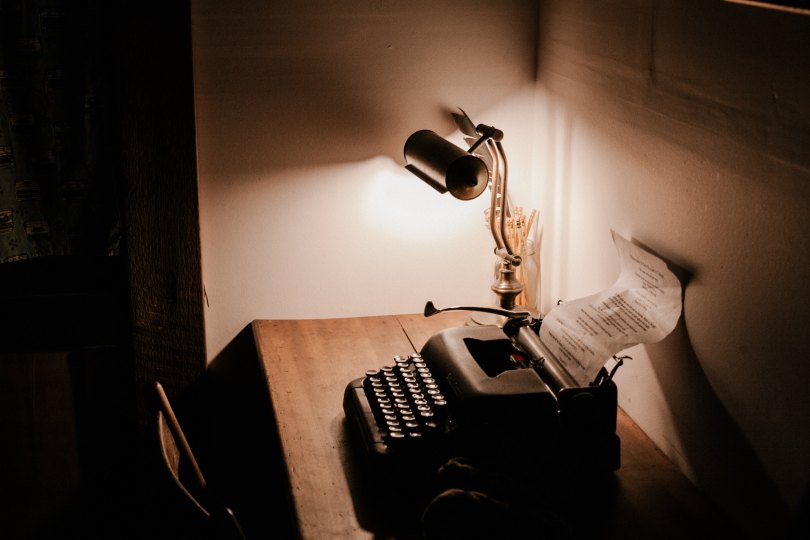
macchina da scrivere.

mentre le signore andavano a riunioni, salvavano le balene,
le foche, i delfini, il grande squalo bianco,
mentre le signore parlavano al telefono
questa macchina e io abbiamo vissuto
insieme.

proprio come viviamo insieme stasera: questa macchina, i 3
gatti, la radio e il vino.

dopo la mia morte le signore diranno (se verrà chiesto):
“gli piaceva dormire, bere; non voleva mai andare da nessuna parte… tranne l’ippodromo, quello stupido posto!”

le signore che ho conosciuto e con le quali ho vissuto fanno gran vita sociale, saltano in macchina, salutano, escono là fuori come se ci fosse un grande tesoro imperdibile ad attenderle…
“è un nuovo gruppo punk, sono bravissimi!”
“Allen Ginsberg tiene un reading!”
“sono in ritardo per la mia lezione di ballo!”
“vado a giocare a scarabeo con Rita!”
“è una festa di compleanno a sorpresa per Fran!”

io ho questa macchina da scrivere.
io e questa macchina da scrivere viviamo insieme.

Olympia, così si chiama.
una brava ragazza.

quasi sempre
fedele.

(Traduzione di Simona Viciani)

we get along

the various women I have lived with have attended
rock concerts, reggae festivals, love-ins, peace
marches, movies, garage sales, fairs, protests,
weddings, funerals, poetry readings, Spanish classes,
spas, parties, bars and so forth
and I have lived with this
machine.

while the ladies attended affairs, saved the whales,
the seals, the dolphins, the great white shark,
while the ladies talked on the telephone
this machine and I lived
together.

as we live together tonight:
this machine, the 3
cats, the radio and the wine.

after I die the ladies will say (if asked): “he
liked to sleep, to drink; he never wanted to go
anywhere… well, the racetrack, that stupid
place!”

the ladies I have known and lived with have been
very social, jumping into the car, waving, going
out there as if some treasure of great import
awaited them…
“it’s a new punk group, they’re great!”
“Allen Ginsberg’s reading!”
“I’m late for my dance class!”
“I’m going to play scrabble with Rita!”
“it’s a surprise birthday for Fran!”

I have this machine.
this machine and I live together.

Olympia, that’s her name.
a good girl.

almost always
faithful.

_______________________________
Manoscritto, 11 giugno 1982; pubblicato in Open All Night.

Donna addormentata, da “On Love”, Charles Bukowski

sono seduto a letto di notte e ti ascolto
russare
ti ho incontrata alla stazione degli autobus
e adesso immagino cose dietro le tue spalle
bianche malaticce e macchiate di
lentiggini da bambina
mentre la lampada sveste dal dolore
insanabile del mondo
il tuo sonno.

non riesco a vederti i piedi
ma immagino che siano
piedi molto affascinanti.

a chi appartieni?
sei reale?

penso a fiori, animali, uccelli
sembrano tutti più che belli
e così chiaramente
veri.

eppure non puoi fare a meno di essere una
donna. siamo tutti selezionati per essere
qualcosa. il ragno, il cuoco.
l’elefante. è come se ognuno di noi fosse
un dipinto e fosse appeso alla
parete di una galleria.

– e ora il dipinto si gira
sul retro, e oltre un gomito curvato
riesco a vedere una ½ bocca, un occhio e
quasi un naso.
il resto di te è nascosto fuori dalla vista
ma so che tu sei una
contemporanea, una moderna opera
vivente
forse non immortale
ma ci siamo
amati.

ti prego continua a
russare.

(Traduzione di Simona Viciani)

Sleeping Woman

I sit up in bed at night and listen to you
snore
I met you in a bus station and now I wonder at your back
sick white and stained with
children’s freckles
as the lamp divests the unsolvable
sorrow of the world
upon your sleep.

I cannot see your feet
but I must guess that they are
most charming feet.

who do you belong to?
are you real?

I think of flowers, animals, birds
they all seem more than good
and so clearly
real.

yet you cannot help being a
woman. we are each selected to be
something. the spider, the cook.
the elephant. it is as if we were each
a painting and hung on some
gallery wall.

— and now the painting turns
upon its back, and over a curving elbow
I can see ½ a mouth, one eye and
almost a nose.
the rest of you is hidden
out of sight
but I know that you are a
contemporary, a modern living
work perhaps not immortal
but we have
loved.

please continue to
snore.

__________________________________
Apparsa in The Wormwood Review 16, dicembre 1964; pubblicata in The Days Run Like Wild Horses Over the Hills.

Foglie di palma, da “Burning in Water Drowning in Flame”, Charles Bukowski

a mezzanotte in punto
1973-74
Los Angeles
ha cominciato a piovere sulle
foglie di palma fuori dalla mia finestra
i clacson e i fuochi d’artificio
sono partiti

e tuonava.
ero andato a letto alle 21.00
spento le luci
tirate su le coperte –
la loro letizia, la loro felicità,
le loro urla, i loro cappelli di carta,
le loro automobili, le loro donne,
i loro ubriachi dilettanti…
la notte di Capodanno mi terrorizza
sempre

la vita non sa nulla degli anni.

adesso i clacson hanno smesso come
i fuochi d’artificio e i tuoni…
tutto è finito in cinque minuti…
odo soltanto la pioggia
sulle foglie di palma,
e penso:
non capirò mai gli uomini,
ma ho superato
anche questa.

Palm Leaves

at exactly 12:00 midnight
1973-74
Los Angeles
it began to rain on the
palm leaves outside my window
the horns and firecrackers
went off
and it thundered.

I’d gone to bed at 9 p.m.
turned out the lights
pulled up the covers –
their gaiety, their happiness,
their screams, their paper hats,
their automobiles, their women,
their amateur drunks…

New Year’s Eve always terrifies
me

life knows nothing of years.

now the horns have stopped and
the firecrackers and the thunder…
it’s all over in five minutes…
all I hear is the rain
on the palm leaves,
and I think,
I will never understand men,
but I have lived
it through.

Brutto affare, Charles Bukowski

vecchio Butch, l’hanno castrato,
le ragazze gli fanno un baffo
adesso.

quando Big Sam ha traslocato
da qui dietro
ho ereditato il grande Butch,
ne ha 70 di anni dei gatti,
vecchio,
castrato,
ma è sempre il gatto più grosso
e cattivo che chiunque
ricordi di avere mai
visto.

per un pelo non mi mangiava
una mano
la mano che lo nutre
un paio di
volte
ma l’ho perdonato,
è castrato
e c’è una parte di
lui
che non lo
accetta.
di notte
lo sento che attacca e
fa scappare gli altri gatti nei
folti cespugli.
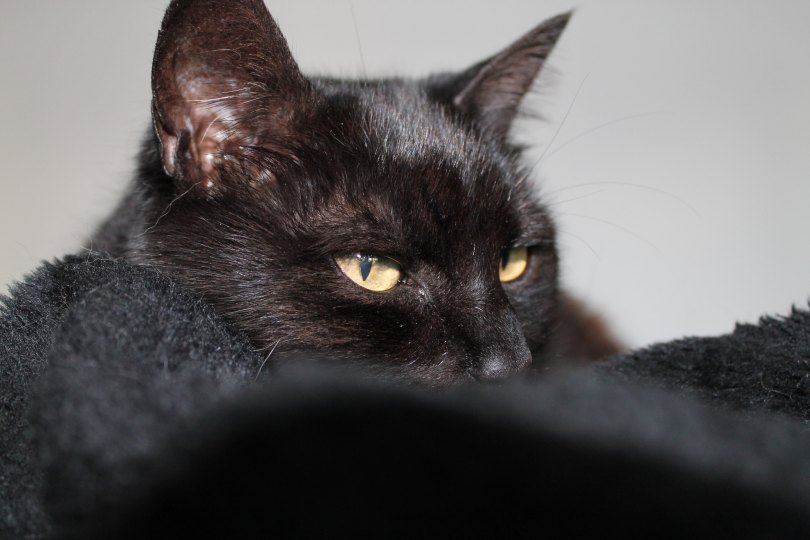
Butch è ancora un vecchio gatto
magnifico,
che fa a botte
anche se non le ha più.

che bastardo deve essere stato
quando le aveva
quando era sui 19 o 20 anni
e camminava lentamente per il
suo sentiero
e anche adesso quando lo
guardo
sento ancora il coraggio
e la forza
alla faccia delle bassezze dell’uomo
alla faccia delle divinità scientifiche
umane,
il vecchio Butch
sopravvive
resiste

scrutandomi da quegli
occhi gialli malvagi
incastonati in quella testa
enorme
imbattuta.

(Trad. di Simona Viciani)

bad fix

old Butch, they fixed him
the girls don’t look like much
anymore.

when Big Sam moved out
of the back
I inherited big Butch,
70 as cats go,
old,
fixed,
but still as big and
mean a cat as anybody
ever remembered
seeing.

he’s damn near gnawed
off my hand
the hand that feeds him
a couple of
times
but I’ve forgiven him,
he’s fixed
and there’s something about
him
that doesn’t like
it.
at night
I hear him mauling and
running other cats through
the brush.
Butch, he’s still a magnificent
old cat,
fighting
even without it.

what a bastard he must have been
with it
when he was 19 or 20
walking slowly down
his path
and I even look at him
now
still feel the courage
and the strength
in spite of man’s smallness
in spite of man’s scientific
divinity,
old Butch
retains
endures

peering at me with those
evil yellow eyes
out of that huge
undefeated
head.

__________________________________
Manoscritto del 13 giugno 1978; pubblicato nella raccolta Dangling in Tournefortia, 1981.

Dono, Charles Bukowski

sai,
l’uomo che stava qui dietro ha traslocato
non ce la faceva con l’affitto
così ho ereditato questo
vecchio gatto enorme
grosso come un cane di media taglia
malvagio
occhi gialli
vecchio e furiosamente forte
quando va a segno con una di quelle
zampe
le pareti tremano
si chiama “Butch” e non
va per il sottile
è eccentrico
ha le sue idee fisse
imparata chissà dove
tanto tempo fa.
si fa dei film
tutti suoi
a volte parte
da solo
magari lo sto accarezzando
e poi mi artiglia
imprigionando la mia mano sulla
pancia
con i denti che incidono
il dorso della mano
e mi tiene lì
così
mi graffia l’interno
dei polsi
con le zampe posteriori
con gli artigli
tutti fuori…
lascio la mano lì
finché ha finito
poi
la sollevo
rivoletti di sangue
gocciolano… e lui si limita
a guardarmi.

te lo spedisco
in una scatola da imballaggio
color mandorla naturale
inciderò dei fori così può
respirare

ma sta’ attento quando fai leva sul
coperchio

te lo spedisco espresso
giusto in tempo
per via aerea

apri quella scatola nella
Giornata Nazionale della Poesia.

Gift

you know
the man in back moved out
couldn’t get his rent
so I inherited this
huge old cat
big as an average dog
mean
yellow eyes
old and furiously strong
when he strikes with one of those
paws
the walls shake.
his name is “Butch” and he
doesn’t play around
he’s cranky
has his own set ideas
learned from somewhere
long ago.
he gets on the trip
which is his
sometimes he gets
gone
I’ll be petting him
and then he’ll have me
my hand trapped in his
gut
the teeth will incise into
the top part of my hand
and holding me there
like that
he’ll rip the backs of
my wrists
with his two rear paws
with the claws
fully extended…
I leave my hand there
until he’s finished
then I
lift it away
rivulets of blood
seep… he just
looks at me.

I’ll send him to you
in a whole natural almond
crate
I’ll cut holes so he can
breathe

but beware when you pry off
the lid

I’ll send him to you
just in time
via Air Express

open that crate on
National Poetry Day.

Per favore, da “Mind and Heart”, Charles Bukowski

salvatemi da loro
dai loro confortevoli volti levigati
dalla loro rilassata sfrontatezza,
dalle loro gambe accavallate,
dalle loro scarpe di tela,
dai loro stomaci protundenti,
dalle loro menti ottuse,
dalla loro gelida cortesia,
dai loro pallidi sorrisi,
dal loro superfluo armeggio
col nostro tempo,
dal loro ingresso nella nostra vita
tramite terzi.
dio, la gente orrenda con cui devi avere
a che fare
perché non vivi più
da solo.
questi zucconi,
questi boccaloni,
questi invertebrati,
e le loro insopportabili
visitine,
dietro le tapparelle,
rosicchiando pezzetti di cibo,
centellinando il vino,
coi loro stupidi culi
spaparanzati da qualche parte,
sempre disposti a fermarsi un giorno in più,
una settimana in più,
una vita in più,
così contenti,
deliziati alla tua
vista,
salvati  dalla tua furia per puro
caso,
ingrassano davanti ai tuoi occhi
imbottendosi le loro bocche di
olive, frutta e patatine
sorridendo con labbra turgide di vino…

gli altri devono vedere qualcosa in
loro,
avere bisogno di qualcosa da
loro
invece io rabbrividisco
fino alle mie dannate budella
incredulo
a quel che ho
davanti.

loro non si accorgono di nulla,
sbadigliano,
e stiracchiano le gambe
fino a occupare il mio
spazio.

Please

save me from them
and their smooth comfortable faces
and their relaxed
effrontery,
their crossed legs and their canvas
shoes,
their soft bellies, their soft
minds,
their cagey courtesy,
their pallid smiles,
their needless tinkering with your
hours,
their entrance into your life
through others,
god, the awful people you must
deal with
because you no longer live
alone,
these pieces of squash,
these polliwogs,
these suckerfish
and their unendurable
visitations,
there by the blinds,
nibbling bits of food,
savoring the wine,
sitting their dumb asses upon
the commodes,
staying an extra day,
an extra week,
an extra life,
so content,
wallowing in your
sight,
saved from your fury through
circumstance,
they fatten before you
stuffìng their mouths with
olives, fruit and chips,
smiling through wine-wet lips…

others must see something in
them,
need something from
them
while I shudder in
my damned guts
in disbelief
at what confronts
me.

they notice nothing,
yawn,
and stretch their legs
through my
space.

Un albero, una strada, un rospo, da “New Poems Book Two”, Charles Bukowski

Un tavolo da 7, tutti
che ridono forte, senza smettere,
in modo quasi assordante,
ma non c’è gioia nella loro
risata, sembra
meccanica.
Finzione e falsità
avvelenano l’aria.
Sembra che gli altri avventori non lo
notino.
Sono asfissiato dalle risate,
le viscere, il cervello, la mia coscienza,
mi vanno di traverso.
Sogno di prendere una pistola, di
avvicinarmi al tavolo
e di far saltare le loro teste,
una dopo l’altra.
Naturalmente, questo mi renderebbe
ancora più colpevole di
loro.
Eppure, continuo a fantasticare e
poi capisco che pretendo
troppo.
Avrei già dovuto capire
da un pezzo che è così
e basta:
che dappertutto ci sono tavoli da 2,
3,7, 10 o anche più
con gente
che ride senza motivo e
senza gioia,
che ride per niente senza
trasporto,
e che questa è una parte inevitabile
di tutto,
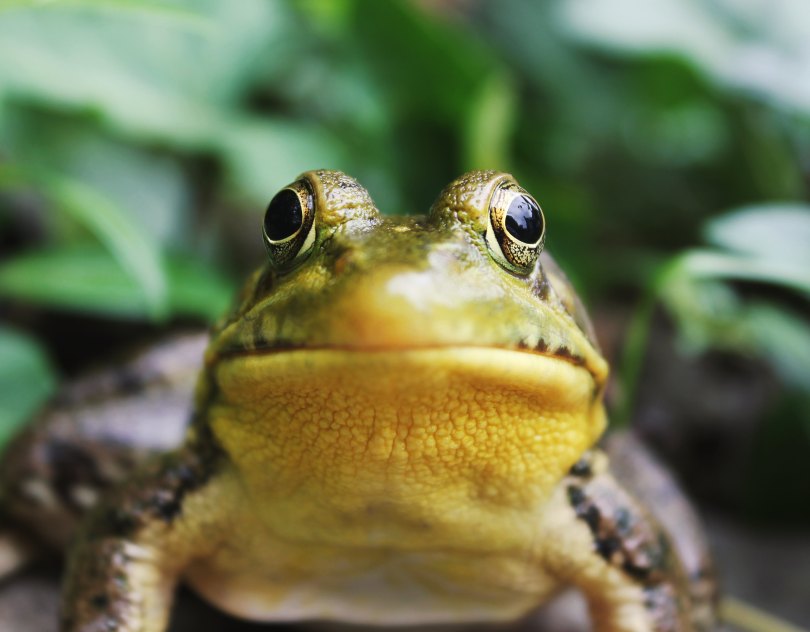
come un albero, una strada, un rospo.

Ordino ancora da bere e
decido di non ucciderli, nemmeno
nella mia immaginazione.

Decido, invece, che sono un
uomo davvero fortunato:
il tavolo è a 7 metri di distanza.
Potrei essere a quel tavolo, seduto
con loro,
vicino alle loro bocche,
vicino ai loro occhi e alle loro orecchie
e alle loro mani,
e sentire realmente la conversazione
che provoca le loro risate
senza gioia.
Mi sono già trovato in molte situazioni simili
ed è stata una dura croce,
davvero.

Così, mi accontento della mia buona sorte
ma non posso fare a meno di chiedermi
se al mondo sia rimasto un angolo
con un tavolo da 7 dove
si provano sentimenti autentici,
dove c’è
una bella risata vera.
Spero di si.
Devo sperare di si.

a tree, a road, a toad

a table of 7, all
laughing loudly, again and again,
almost deafening,
but there is no joy in their
laughter, it seems machine
made.
the pretense and falsity
poison the air.
the other diners seem not to
notice.
I am asphyxiated by the laughter,
my guy, my mind, my very meaning
gag on it.
I dream of taking a gun, of
walking over to the table
and blowing their heads off,
one by one.
of course, this would make me
far more guilty than they
are.
still, i have the thought and
then I realize that I expect too
much.
I should have long ago
realized that this is the way
it is:
that everywhere there are tables of 2,
3, 7, 10 or more
where people
laugh meaninglessly and
without joy,
laugh inanely without
real feeling,
and that this is an inevitable part
of all that,
like a tree, a road, a toad.

I order another drink and
decide not to kill them, even
in my imagination.

I decide, instead, that I am a
very lucky man:
the table is twenty feet away.
I could be at that table, sitting there
with them,
close to their mouths,
close to their eyes and their ears
and their hands,
actually listening to the conversation
which is causing their joyless
laughter.
I have been in many situations before
and it has been one bloody cross,
indeed.

so, I settle for my good fortune
but can’t help but wonder
if there is any place left in the world
with a table of 7 where
there are genuine feelings,
where there is
great and real laughter.
I hope so.
I have to hope so.

Splash, da “Betting on the Muse (1996)”, Charles Bukowski

L’illusione è che tu semplicemente
stia leggendo questa poesia.
la realtà è che questa è
più di una poesia.
questo è il coltello di un accattone.
è un tulipano.
è un soldato che marcia
attraverso Madrid.
questo sei tu sul tuo
letto di morte.
questo è Li Po che ride
sottoterra.
no, non è una dannata poesia.
è un cavallo che dorme.
una farfalla dentro
il tuo cervello.
questo è il circo
del diavolo.
e non la stai leggendo
su una pagina.
è la pagina che legge
te.
la senti?
è come un cobra. è un’aquila affamata
che sorvola la stanza.
questa non è una poesia.
la poesia è barbosa,
ti fa venire
sonno.
queste parole ti incitano
a una nuova
follia.
ti ha toccato la grazia,
sei stato spinto dentro una
abbacinante regione di
luce.
adesso l’elefante
sogna insieme
a te.
la volta dello spazio
curva e ride.
adesso puoi morire.
tu puoi morire adesso come
si doveva morire da uomini:
grande,
vittorioso,
con l’orecchio alla musica,
essendo tu la musica,
che romba,
romba,
romba.

Splash

the illusion is that you are simply
reading this poem.
the reality is that this is
more than a
poem.
this is a beggar’s knife.
this is a tulip.
this is a soldier marching
through Madrid.
this is you on your
death bed.
this is Li Po laughing
underground.
this is not a god-damned
poem.
this is a horse asleep.
a butterfly in
your brain.
this is the devil’s
circus.
you are not reading this
on a page.
the page is reading
you.
feel it?
it’s like a cobra. it’s a hungry eagle circling the room.

this is not a poem. poems are dull,
they make you sleep.

these words force you
to a new
madness.

you have been blessed, you have been pushed into a
blinding area of
light.

the elephant dreams
with you
now.
the curve of space
bends and
laughs.

you can die now.
you can die now as
people were meant to
die:
great,
victorious,
hearing the music,
being the music,
roaring,
roaring,
roaring.

La tragedia delle foglie, da “Burning in Water, Drowning in Flame (1983)”, Charles Bukowski

Mi destai alla siccità e le felci erano morte,
le piante in vaso gialle come grano;
la mia donna era sparita
e i cadaveri dissanguati delle bottiglie vuote
mi cingevano con la loro inutilità;
c’era ancora un bel sole, però,
e il biglietto della padrona ardeva d’un giallo caldo
e senza pretese; ora quello che ci voleva
era un buon attore, all’antica, un burlone capace di scherzare
sull’assurdità del dolore; il dolore è assurdo
perché esiste, solo per questo;
sbarbai accuratamente con un vecchio rasoio
l’uomo che un tempo era stato giovane e,
così dicevano, geniale; ma
questa è la tragedia delle foglie,
le felci morte, le piante morte;
ed entrai in una sala buia
dove stava la padrona di casa
insultante e ultimativa,
mandandomi all’inferno,
mulinando i braccioni sudati
e strillando
strillando che voleva i soldi dell’affitto
perché il mondo ci aveva tradito
tutt’e due.

The tragedy of the leaves

I awakened to dryness and the ferns were dead,
the potted plants yellow as corn;
my woman was gone
and the empty bottles like bled corpses
surrounded me with their uselessness;
the sun was still good, though,
and my landlady’s note cracked in fine and
undemanding yellowness; what was needed now
was a good comedian, ancient style, a jester
with jokes upon absurd pain; pain is absurd
because it exists, nothing more;
I shaved carefully with an old razor
the man who had once been young and
said to have genius; but
that’s the tragedy of the leaves,
the dead ferns, the dead plants;
and I walked into a dark hall
where the landlady stood
execrating and final,
sending me to hell,
waving her fat, sweaty arms
and screaming
screaming for rent
because the world has failed us
both.

Per la vecchia denti-storti, da “Love is a Dog from Hell”, Charles Bukowski

conosco una donna
che compera continuamente puzzle
cinesi
puzzle
cubi
cavi
pezzi che alla fine s’incastrano
in un ordine
li completa
matematicamente
risolve tutti i suoi
puzzle
vive giù in riva al mare
mette lo zucchero fuori per le formiche
e crede
alla fin fine
in un mondo migliore.
ha i capelli bianchi
li pettina di rado
ha i denti storti
e indossa ampie tute
informi
su un corpo che molte
donne vorrebbero avere.
per anni mi ha irritato
con quelle che giudicavo
eccentricità –
come i gusci d’uovo a mollo
(per nutrire le piante
col calcio).
ma infine quando penso alla sua
vita
e la paragono alle altre vite
più eccitanti, più belle
e originali
mi accorgo che lei ha ferito meno
gente di tutti quelli che conosco
(e per ferire intendo semplicemente ferire).
ha passato periodi tremendi,
periodi in cui avrei forse potuto
aiutarla di più
perché è la madre della mia unica
figlia
e siamo stati un tempo grandi amanti,
ma ne è uscita,
come ho detto
ha ferito meno gente di
tutti quelli che conosco,
e se guardi le cose così,
be’,
ha creato un mondo migliore.
ha vinto.

Frances, è tua questa
poesia.

(Trad. di Katia Bagnoli)

One for Old Snaggletooth

I know a woman
who keeps buying puzzles
chinese
puzzles
blocks
wires
pieces that finally fit
into some order.
she works it out
mathematically
she solves all her
puzzles
lives down by the sea
puts sugar out for the ants
and believes
ultimately
in a better world.
her hair is white
she seldom combs it
her teeth are snaggled
and she wears loose shapeless
coveralls over a body most
women would wish they had.
for many years she irritated me
with what I consider her
eccentricities –
like soaking eggshells in water
(to feed the plants so that
they’d get calcium).
but finally when I think of her
life
and compare it to other lives
more dazzling, original
and beautiful
I realize that she has hurt fewer
people than anybody I know
(and by hurt I simply mean hurt).
she has had some terrible times,
times when maybe I should have
helped her more
for she is the mother of my only
child
and we were once great lovers,
but she has come through
like I said
she has hurt fewer people than
anybody I know,
and if you look at it like that,
well,
she has created a better world.
she has won.

Frances, this poem is for
you.