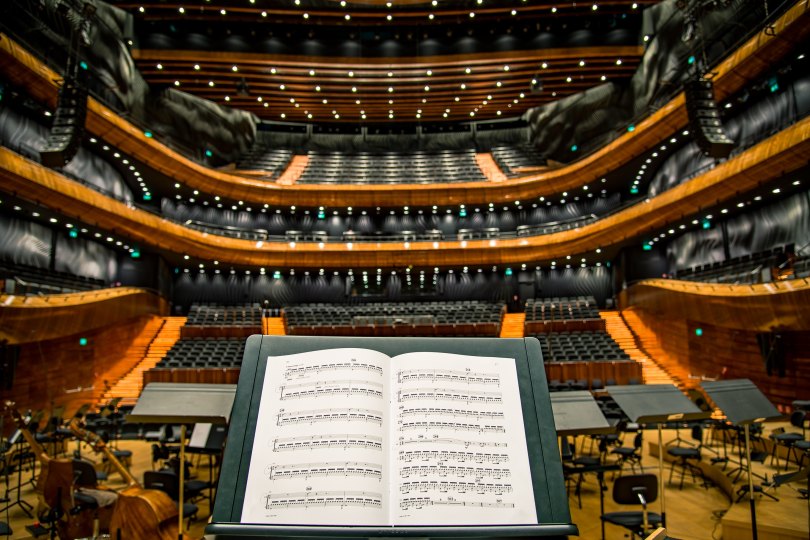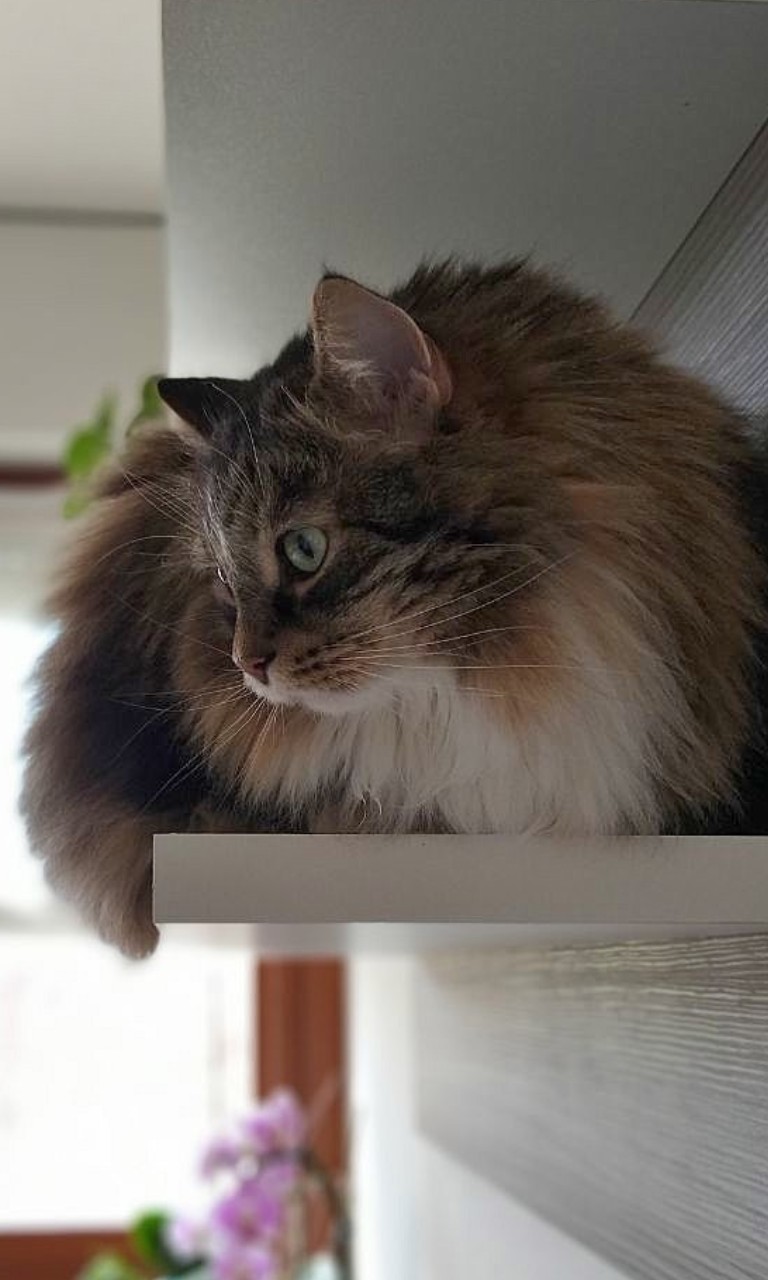
“Hai un gatto?”, da “Sui gatti” (2015), Charles Bukowski

Hai un gatto? O dei gatti? Loro sì che dormono, bello. Riescono a dormire 20 ore al giorno e hanno un aspetto magnifico. Sanno che non c’è nulla per cui scaldarsi davvero. Il prossimo pasto. E una cosuccia da uccidere ogni tanto. Quando sono dilaniato dalle forze, allora guardo uno dei miei gatti. Ne ho 9. Ne osservo uno che dorme o che è semiaddormentato e mi rilasso. Anche scrivere è il mio gatto. Scrivere mi permette di affrontare le cose. Mi calma i nervi. Quantomeno per un po’. Poi i miei fili si accavallano e devo rifare tutto da capo. Non riesco a capire gli scrittori che decidono di smettere di scrivere. Come fanno a calmare i nervi?

(Traduzione di Simona Viciani)

Incluso in The Captain is Out to Lunch and the Sailors Have Taken Over the Ship. In Italia in Il capitano è fuori a pranzo.

462-0614, da “L’amore è un cane che viene dall’inferno”, Charles Bukowski

adesso ricevo molte telefonate.
Tutte uguali.
“sei Charles Bukowski,
lo scrittore?”
“sì” dico io.
e mi dicono
che capiscono
quello che scrivo,
e alcuni di loro sono scrittori
o vogliono diventarlo
e hanno impieghi noiosi e
orribili
e non possono sopportare la stanza
l’appartamento
i muri
quella sera –
vogliono qualcuno con cui
parlare,
e non riescono a credere
che non posso aiutarli
che non conosco la formula.
non riescono a credere
che spesso di questi tempi
mi chiudo in camera
mi afferro la panza
e dico:
“Gesù Gesù Gesù,
un’altra volta
no!”
non riescono a credere
che la gente senza amore
le strade
la solitudine
i muri
sono anche miei.
e quando riaggancio il ricevitore
pensano che mi sia tenuto per me
il segreto.

non scrivo
con cognizione di causa.
quando suona il telefono
piacerebbe anche a me sentire
parole capaci di alleviare
un po’ di questo.

ecco perché il mio numero
è sull’elenco.

(Traduzione di Katia Bagnoli)

462-0614

I get many phonecalls now.
They are all alike.
“are you Charles Bukowski,
the writer?”
“yes,” I tell them.
and they tell me
that they understand my
writing,
and some of them are writers
or want to be writers
and they have dull and
horrible jobs
and they can’t face the room
the apartment
the walls
that night –
they want somebody to talk
to,
and they can’t believe
that I can’t help them
that I don’t know the words.
they can’t believe
that often now
I double up in my room
grab my gut
and say
“Jesus Jesus Jesus, not
again!”
they can’t believe
that the loveless people
the streets
the loneliness
the walls
are mine too.
and when I hang up the phone
they think I have held back my
secret.

I don’t write out of
knowledge.
when the phone rings
I too would like to hear words
that might ease
some of this.

that’s why my number’s
listed.

Voi sapete e io so e tu sai, da “The Last Night of the Earth Poems”, Charles Bukowski

Voi sapete e io so e tu sai
che quando la tendina gialla si strappa
quando il gatto balza inferocito
quando il vecchio barista si appoggia al bancone
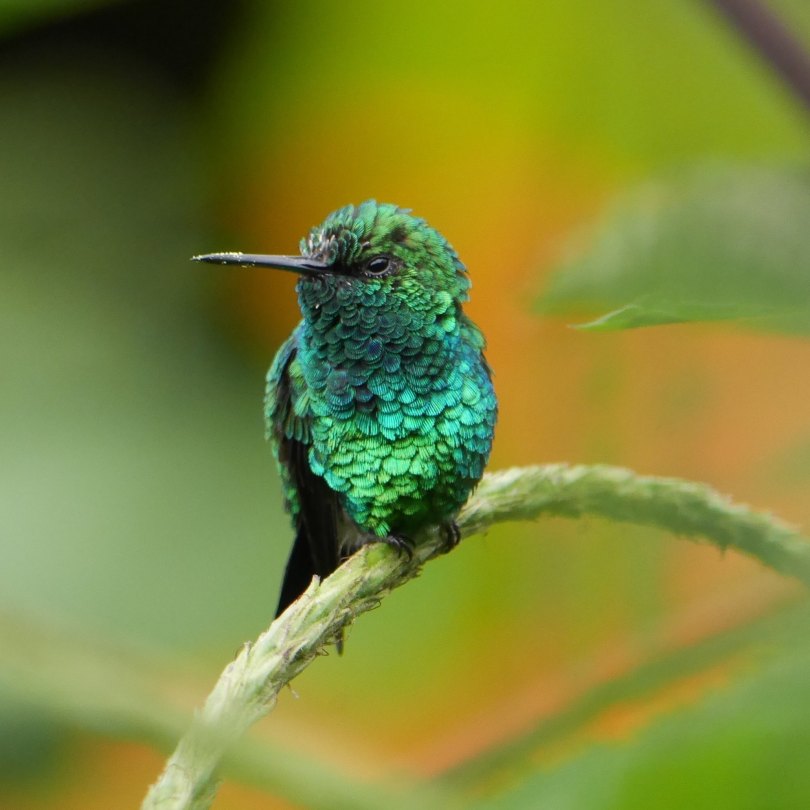
quando il colibrì dorme
voi sapete e io so e tu sai
quando i carri armati si esercitano su finti campi di battaglia
quando lasci correre le gomme in autostrada
quando il nano ubriaco di bourbon a buon mercato la notte
piange solo
quando i tori vengono allevati con cura per i matador
quando l’erba ti guarda e gli alberi ti guardano
quando il mare racchiude creature immense e vere
voi sapete e io so e tu sai
la tristezza e la gloria di due pantofole sotto un letto
la danza del tuo cuore che balla col tuo sangue
le fanciulle amorose che prima o poi odieranno gli specchi
fare gli straordinari all’inferno
pranzare con un’insalata andata a male
voi sapete e io so e tu sai
la fine per come la conosciamo adesso
sembra uno squallido imbroglio dopo una squallida agonia ma
voi sapete e io so e tu sai
la gioia che a volte spunta da non si sa dove
sorgendo come un falco che vaga nell’impossibilità
voi sapete e io so e tu sai
la strabica pazzia dell’euforia assoluta
sappiamo che alla fine non siamo stati truffati
voi sapete e io so e tu sai
quando guardiamo le nostre mani i nostri piedi le nostre vite
-la nostra strada
il colibrì addormentato
la morte assassinata dagli eserciti
il sole che ti mangia mentre lo guardi
voi sapete e io so e tu sai
sconfiggeremo la morte.

You Know and I Know and Thee Know

that as the yellow shade rips
as the cat leaps wild-eyed
as the old bartender leans on the wood
as the hummingbird sleeps

you know and I know and thee know

as the tanks practice on false battlefields
as your tires work the freeway
as the midget drunk on cheap bourbon cries alone at night
as the bulls are carefully bred for the matadors
as the grass watches you
and the trees watch you
as the sea holds creatures vast and true

you know and I know and thee know

the sadness and the glory of two slippers under a bed
the ballet of your heart dancing with your blood
young girls of love who will someday hate their mirrors
overtime in hell
lunch with sick salad

you know and I know and thee know

the end as we know it now it seems such a lousy trick
after the lousy agony but

you know and I know and thee know

the joy that sometimes comes along out of nowhere
rising like a falcon moon across the impossibility

you know and I know and thee know

the cross-eyed craziness of total elation
we know we finally have not been cheated

you know and I know and thee know

as we look at our hands our feet our lives our way
the sleeping hummingbird
the murdered dead of armies
the sun that eats you as you face it

you know and I know and thee know

we will defeat death.

Scarpe, da “On Love”, Charles Bukowski

quando sei giovane
due
scarpe da donna
con il tacco alto
sole
solette
nel ripostiglio
possono mandarti a fuoco le
ossa;
quando sei vecchio
è solo un paio di scarpe
con
nessuna
dentro
e il risultato
è lo stesso.

(Traduzione di Simona Viciani)

shoes

when you’re young
a pair of
female
high-heeled shoes
just sitting
alone
in the closet
can fire your
bones;
when you’re old
it’s just a pair of shoes
without
anybody
in them
and just as
well.

_____________________
Manoscritto, fine 1985; pubblicato in “You Get So Alone at Times That It Just Makes Sense”.

Epilogo, da “On Cats”, Charles Bukowski

scendo le scale e lei chiede:
“hai scritto qualche
poesiola?”
“sì” rispondo.
mi siedo accanto a lei sul divano e
fissiamo tutti e due lo schermo
della tv.
c’è David Letterman.
“sono rientrati tutti i gatti tranne Beeker”
dice lei.
“vado a cercarlo” dico.
mi alzo, esco e batto le
mani e chiamo:
“Beeker! Beeker!
vieni, Beeker!”
4 o 5 persone di questo quartiere
operaio mi maledicono da sotto
le coperte.
Beeker arriva lentamente da un altro
cortile.
si arrampica a fatica sulla staccionata.
è grasso.
si lascia cadere, grugnisce e andiamo
insieme verso la porta,
entriamo,
chiudo a chiave e mi volto proprio mentre Letterman
svanisce in
pubblicità.

(Traduzione di Simona Viciani)

consummation

I come down the stairway and she asks,
“did you write some little
poems?”
“yes!”, I answer.
I sit next to her on the couch and we
both look at the t.v.
screen.
it’s David Letterman.
“all the cats are in except Beeker,”
she says.
“I’ll look for him,” I say.
I get up and go outside and clap my
hands and yell,
“Beeker! Beeker!
come on, Beeker!”
4 or 5 people in this working-class
neighborhood curse me from under
their sheets.
Beeker comes slowly from another
yard.
he clambers the fence.
he’s fat.
he drops, grunts and we walk
toward the door together,
enter.
I lock the door, turn as Letterman
vanishes into a
commercial.

_____________________
Inizio 1990, manoscritto; incluso in The Continual Condition. Pubblicato in Italia nella raccolta “Mentre Buddha Sorride”, Guanda, 2015.

Scarpe, da “On Love”, Charles Bukowski

scarpe nell’armadio come gigli di Pasqua,
le mie scarpe lì da sole adesso,
e le altre scarpe con altre scarpe
come i cani che camminano per le vie,
e il fumo da solo non è abbastanza
e ho ricevuto una lettera da una donna in ospedale,
amore, mi dice lei, amore,
altre poesie,
ma io non scrivo,
non mi riconosco più,
mi manda fotografie dell’ospedale
scattate dall’alto,
ma mi ricordo di lei in altre sere,
non moribonda,
scarpe con tacchi a spillo come pugnali
lì di fianco alle mie,
come possono sere così forti
mentire alle colline,
come possono sere così diventare tranquille sul finire
le mie scarpe nell’armadio
pieno di soprabiti e di strane magliette,
e sbircio dentro la fessura lasciata dall’anta
e fisso i muri, e non
scrivo.

(Traduzione di Simona Viciani)

shoes

shoes in the closet like Easter lilies,
my shoes alone right now,
and other shoes with other shoes
like dogs walking avenues,
and smoke alone is not enough
and I got a letter from a woman in a hospital,
love, she says, love,
more poems,
but I do not write,
I do not understand myself,
she sends me photographs of the hospital
taken from the air,
but I remember her on other nights,
not dying,
shoes with spikes like daggers
sitting next to mine,
how these strong nights
can lie to the hills,
how these nights become quite finally
my shoes in the closet
flown by overcoats and awkward shirts,
and I look into the hole the door leaves
and the walls, and I do not
write.

_____________________
Manoscritto di fine 1960; pubblicato in “The People Look Like Flowers at Last”, 2007.

La vita di Borodin, da “Burning in Water, Drowning in Flame” (1972), Charles Bukowski

La prossima volta che ascolti Borodin
ricorda che era solo un farmacista
che scriveva musica per distrarsi;
la sua casa era piena di gente:
studenti, artisti, barboni, ubriaconi,
e lui non sapeva mai dire di no.
la prossima volta che ascolti Borodin
ricorda che sua moglie usava le sue composizioni
per foderare la cuccia del gatto
o coprire vasi di latte acido;
aveva l’asma e l’insonnia
e gli dava da mangiare uova à la coque
e quando lui voleva coprirsi la testa
per non sentire i rumore della casa
gli lasciava usare soltanto il lenzuolo;
per giunta c’era sempre qualcuno
nel suo letto
(dormivano separati quando proprio
dormivano)
e siccome tutte le sedie
erano sempre occupate
spesso lui dormiva sulle scale
avvolto in un vecchio scialle;
era lei a dirgli di tagliarsi le unghie,
di non cantare o fischiare
di non mettere troppo limone nel tè
di non schiacciarlo col cucchiaino;
Sinfonia n. 2 in si minore
Il principe Igor
Nelle steppe dell’Asia centrale
riusciva a dormire solo mettendosi
un pezzo di stoffa scura sopra gli occhi;
nel 1887 partecipò a un ballo
all’Accademia di medicina
indossando un allegro costume nazionale;
sembrava finalmente di un’insolita gaiezza
e quando cadde sul pavimento,
pensarono che volesse fare il pagliaccio.
la prossima volta che ascolti Borodin,
ricorda…

(Traduzione di Vincenzo Mantovani)

the life of Borodin

the next time you listen to Borodin
remember he was just a chemist
who wrote music to relax;
his house was jammed with people:
students, artists, drunkards, bums,
and he never knew how to say: no.
the next time you listen to Borodin
remember his wife used his compositions
to line the cat boxes with
or to cover jars of sour milk;
she had asthma and insomnia
and fed him soft-boiled eggs
and when he wanted to cover his head
to shut out the sounds of the house
she only allowed him to use the sheet;
besides there was usually somebody
in his bed
(they slept separately when they slept
at all)
and since all the chairs
were usually taken
he often slept on the stairway
wrapped in an old shawl;
she told him when to cut his nails,
not to sing or whistle
or put too much lemon in his tea
or press it with a spoon;
Symphony #2, in B Minor
Prince Igor
On the Steppes of Central Asia
he could sleep only by putting a piece
of dark cloth over his eyes
in 1887 he attended a dance
at the Medical Academy
dressed in a merrymaking national costume;
at last he seemed exceptionally gay
and when he fell to the floor,
they thought he was clowning.
the next time you listen to Borodin,
remember…

Dmitry Polyakov conducts A. Borodin: Symphony No. 2 in B minor

Buddha Chinaski dice, da “New Poems Book Two”, Charles Bukowski

A volte
devi
indietreggiare
di uno o
due passi,
ri-
considerare

staccare
per un
mese

non
fare niente
non
volere
fare niente

la pace è
fondamentale
il ritmo è
fondamentale

qualsiasi cosa
tu voglia
non
l’avrai
provandoci
con troppa
insistenza.

Stacca
per
dieci anni

sarai
più
forte

stacca
per
venti anni

sarai
ancora più
forte.

Non c’è niente in
palio
comunque

e
ricorda che
la seconda cosa più bella
del mondo
è
una notte di sonno
tranquillo

e
la più bella:
una morte
serena.

Nel frattempo
paga la bolletta del
gas
se riesci
e
cerca di non
litigare con tua
moglie.

Buddha Chinaski Says

sometimes
you have to take
a step or
two
back,
re-
treat

take
a month
off

don’t
do anything
don’t
want to
do anything

peace is
paramount
pace is
paramount

whatever
you want
you aren’t going to
get
it by
trying too
hard.

take
ten years
off

you’ll
be
stronger

take
twenty years
off

you’ll
be much
stronger.

there’s nothing to
win
anyhow

and
remember the second best thing in
the world
is
a good night’s
sleep

and
the best:
a gentle
death.

meanwhile
pay your gas
bill
if you can
and
stay out of
arguements with the
wife.

Le mie pareti d’amore, da “On Love”, Charles Bukowski

è in nottate come questa, che mi riprendo ciò che
posso.
vivere costa fatica, scrivere non costa nulla.

è che le donne erano facili
ma erano tutte piuttosto simili:
a loro piaceva vedere ciò che scrivevo sotto-forma di
libro finito
ma c’era sempre qualcosa da ridire sulla
battitura effettiva
dei nuovi lavori
che le infastidiva…

non ero in competizione con loro
ma loro diventavano competitive con me
in forme e stili che non consideravo
né originali né creativi
sebbene per me
loro fossero di sicuro
alquanto sorprendenti.

adesso vagano libere
con se stesse insieme alle altre
e hanno nuovi problemi
per altri versi.

tutte quelle adorabili ragazze:
sono felice di essere con loro con lo spirito
piuttosto che con la carne

perché ora posso pestare su questa cazzo di macchina
senza preoccuparmi.

(Traduzione di Simona Viciani)

my walls of love

it’s on nights like this, I get back what I
can.
the living is hard, the writing is free.

were that the women were as easy
but they wore always much the same:
they liked my writing in finished book-
form
but there was always something about the
actual typing
working toward the new
which bothered them…

I wasn’t competing with them
but they got competitive with me
in forms and styles which I didn’t consider
either original or creative
although to me
they were certainly
astonishing enough.

now they are set loose
with themselves and the others
and have new problems
in another way.
all those lovelies:
I’m glad I’m with them in spirit
rather than in the flesh
as now I can bang this fucking machine
without concern.

_____________________
Manoscritto, 20 febbraio 1983, inedito.

Pioggia, da “Mockingbird Wish Me Luck” (1972), Charles Bukowski

un’orchestra sinfonica.
scoppia un temporale,
stanno suonando un’overture di Wagner
la gente lascia i posti sotto gli alberi
e si precipita nel padiglione
le donne ridendo, gli uomini ostentatamente calmi,
sigarette bagnate che si buttano via,
Wagner continua a suonare, e poi sono tutti
al coperto. vengono persino gli uccelli dagli alberi
ed entrano nel padiglione e poi c’è la Rapsodia
Ungherese n. 2 di Liszt, e piove ancora, ma guarda,
un uomo seduto sotto la pioggia
in ascolto. il pubblico lo nota. si voltano
a guardare. l’orchestra bada agli affari
suoi. l’uomo siede nella notte nella pioggia,
in ascolto. deve avere qualcosa che non va,
no?
è venuto a sentire
la musica.

Rain

a symphony orchestra.
there is a thunderstorm,
they are playing a Wagner overture
and the people leave their seats under the trees
and run inside to the pavilion
the women giggling, the men pretending calm,
wet cigarettes being thrown away,
Wagner plays on, and then they are all under the
pavilion. the birds even come in from the trees
and enter the pavilion and then it is the Hungarian
Rhapsody #2 by Lizst, and it still rains, but look,
one man sits alone in the rain
listening. the audience notices him. they turn
and look. the orchestra goes about its
business. the man sits in the night in the rain,
listening. there is something wrong with him,
isn’t there?
he came to hear the
music.

_______________________________________

Richard Wagner: Prelude to «Lohengrin», Sir Simon Rattle