Presta attenzione.
Stupisciti.
Parlane.
Instructions for living a life:
Pay attention.
Be astonished.
Tell about it.

Presta attenzione.
Stupisciti.
Parlane.
Pay attention.
Be astonished.
Tell about it.
O Musa, essere un pugile o non essere affatto.
Ci hai lesinato un pubblico in tumulto.
Ci sono dodici persone ad ascoltare,
è tempo ormai di cominciare.
Metà è venuta perché piove,
gli altri sono parenti. O Musa.
Le donne sverrebbero liete in questa serata,
non qui però, ma solo ad un match di pugilato.
Le scene dantesche sono soltanto lì.
E le ascese in cielo. O Musa.
Non essere un pugile, essere un poeta,
avere una condanna ai valéry forzati,
in mancanza di muscoli mostrare al mondo
poesiole da leggersi a scuola – tutt’al più –
o Musa. O Pegaso,
angelo equino.
In prima fila un vecchietto dolcemente sogna
che la moglie buonanima, risorta,
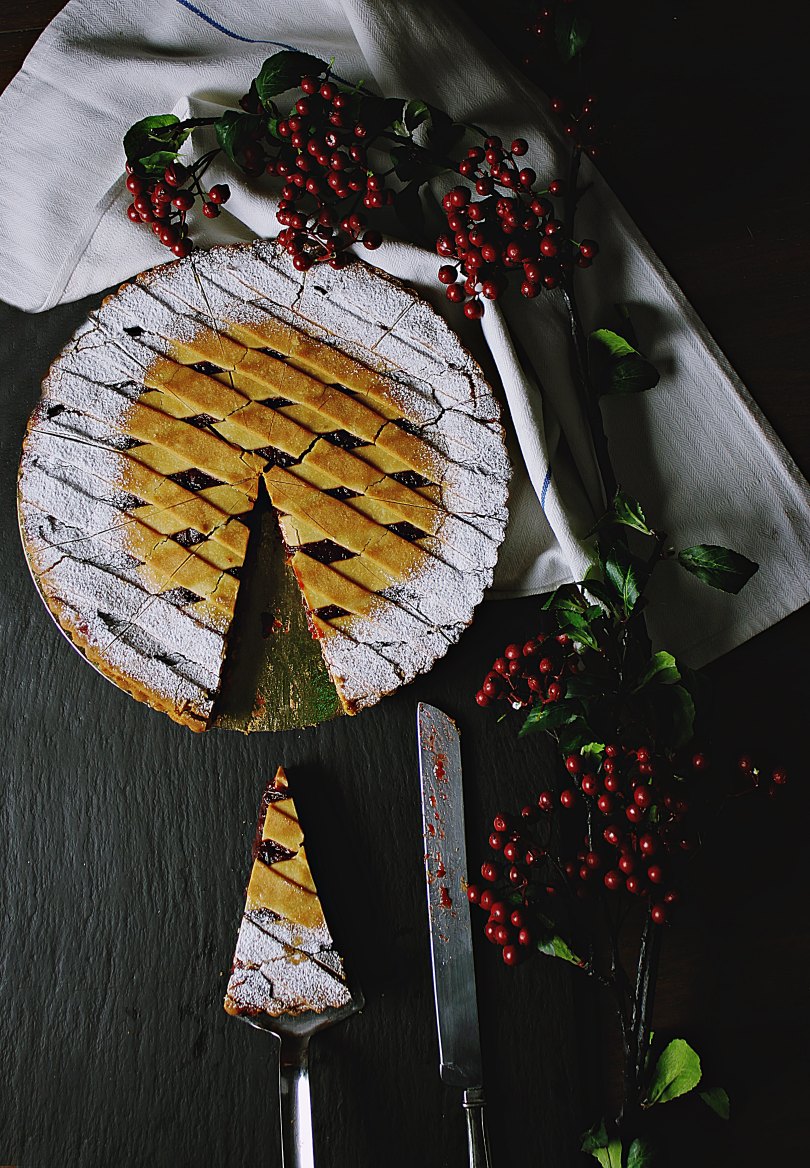
gli sta per cuocere la crostata di prugne.
Con calore, ma non troppo, ché il dolce non bruci,
cominciamo a leggere. O Musa.
(Traduzione di Pietro Marchesani)
To be a boxer, or not to be there
at all. O Muse, where are our teeming crowds?
Twelve people in the room, eight seats to spare
it’s time to start this cultural affair.
Half came inside because it started raining,
the rest are relatives. O Muse.
The women here would love to rant and rave,
but that’s for boxing. Here they must behave.
Dante’s Inferno is ringside nowadays.
Likewise his Paradise. O Muse.
Oh, not to be a boxer but a poet,
one sentenced to hard shelleying for life,
for lack of muscles forced to show the world
the sonnet that may make the high-school reading lists
with luck. O Muse,
O bobtailed angel, Pegasus.
In the first row, a sweet old man’s soft snore:
he dreams his wife’s alive again. What’s more,
she’s making him that tart she used to bake.
Aflame, but carefully-don’t burn his cake!
we start to read. O Muse.
(Translated from Polish by Stanislaw Baranczak and Clare Cavanagh)

A un giorno monotono ne segue
un altro monotono, identico. Accadranno
le stesse cose, riaccadranno di nuovo –
gli stessi istanti ci trovano e ci abbandonano.
Un mese passa e porta un altro mese.
I fatti che avverranno si intuiscono facilmente:
sono gli stessi noiosi fatti di ieri.
E il domani finisce per non sembrare più domani.
O these monotonous days — the weary train
of days that are alike, monotonous.
The same things will befall, — be yet again;
the like hours find us and abandon us.
Month follows when the month has passed away.
The things now coming can be told before:
they are those tiresome things of yesterday:
and the morrow seems not the morrow any more.
(Poems by C. P. Cavafy. Translated, from the Greek, by J. C. Cavafy. Ikaros, 2003)

Ho sempre sentito la perdita di qualcosa –
la primissima cosa che ricordo
è una mancanza – di cosa non sapevo –
Troppo giovane perché qualcuno sospettasse
una dolente fra i bambini
ciò nondimeno mi aggiravo
come chi rimpianga un regno
essendo il solo principe cacciato –
Più vecchia, oggi, un’epoca più saggia
e più debole anche, com’è della saggezza –
mi trovo ancora a cercare piano
i miei palazzi trafugati –
e un sospetto, come un dito
mi sfiora la fronte di tanto in tanto
che sto cercando all’opposto
dove si trovi il regno dei cieli –
(Traduzione di Massimo Bacigalupo)
A loss of something ever felt I –
The first that I could recollect
Bereft I was — of what I knew not
Too young that any should suspect
A Mourner walked among the children
I notwithstanding went about
As one bemoaning a Dominion
Itself the only Prince cast out –
Elder, Today, a session wiser
And fainter, too, as Wiseness is –
I find myself still softly searching
For my Delinguent Palaces –
And a Suspicion, like a Finger
Touches my Forehead now and then
That I am looking oppositely
For the site of the Kingdom of Heaven –

a mezzanotte in punto
1973-74
Los Angeles
ha cominciato a piovere sulle
foglie di palma fuori dalla mia finestra
i clacson e i fuochi d’artificio
sono partiti
e tuonava.
ero andato a letto alle 21.00
spento le luci
tirate su le coperte –
la loro letizia, la loro felicità,
le loro urla, i loro cappelli di carta,
le loro automobili, le loro donne,
i loro ubriachi dilettanti…
la notte di Capodanno mi terrorizza
sempre
la vita non sa nulla degli anni.
adesso i clacson hanno smesso come
i fuochi d’artificio e i tuoni…
tutto è finito in cinque minuti…
odo soltanto la pioggia
sulle foglie di palma,
e penso:
non capirò mai gli uomini,
ma ho superato
anche questa.
at exactly 12:00 midnight
1973-74
Los Angeles
it began to rain on the
palm leaves outside my window
the horns and firecrackers
went off
and it thundered.
I’d gone to bed at 9 p.m.
turned out the lights
pulled up the covers –
their gaiety, their happiness,
their screams, their paper hats,
their automobiles, their women,
their amateur drunks…
New Year’s Eve always terrifies
me
life knows nothing of years.
now the horns have stopped and
the firecrackers and the thunder…
it’s all over in five minutes…
all I hear is the rain
on the palm leaves,
and I think,
I will never understand men,
but I have lived
it through.

Dove corre questa cerva scritta in un bosco scritto?
Ad abbeverarsi a un’acqua scritta
che riflette il suo musetto come carta carbone?
Perché alza la testa, sente forse qualcosa?
Poggiata su esili zampe prese in prestito dalla verità,
da sotto le mie dita rizza le orecchie.
Silenzio – anche questa parola fruscia sulla carta
e scosta
i rami generati dalla parola «bosco».
Sopra il foglio bianco si preparano al balzo
lettere che possono mettersi male,
un assedio di frasi
che non lasceranno scampo.
In una goccia d’inchiostro c’è una buona scorta
di cacciatori con l’occhio al mirino,
pronti a correr giù per la ripida penna,
a circondare la cerva, a puntare.
Dimenticano che la vita non è qui.
Altre leggi, nero su bianco, vigono qui.
Un batter d’occhio durerà quanto dico io,
si lascerà dividere in piccole eternità
piene di pallottole fermate in volo.
Non una cosa avverrà qui se non voglio.
Senza il mio assenso non cadrà foglia,
né si piegherà stelo sotto il punto del piccolo zoccolo.
C’è dunque un mondo
di cui reggo le sorti indipendenti?
Un tempo che lego con catene di segni?
Un esistere a mio comando incessante?
La gioia di scrivere.
Il potere di perpetuare.
La vendetta d’una mano mortale.
(Traduzione di Pietro Marchesani)
Why does this written doe bound through these written woods?
For a drink of written water from a spring
whose surface will xerox her soft muzzle?
Why does she lift her head; does she hear something?
Perched on four slim legs borrowed from the truth,
she pricks up her ears beneath my fingertips.
Silence – this word also rustles across the page
and parts the boughs
that have sprouted from the word “woods.”
Lying in wait, set to pounce on the blank page,
are letters up to no good,
clutches of clauses so subordinate
they’ll never let her get away.
Each drop of ink contains a fair supply
of hunters, equipped with squinting eyes behind their sights,
prepared to swarm the sloping pen at any moment,
surround the doe, and slowly aim their guns.
They forget that what’s here isn’t life.
Other laws, black on white, obtain.
The twinkling of an eye will take as long as I say,
and will, if I wish, divide into tiny eternities,
full of bullets stopped in mid-flight.
Not a thing will ever happen unless I say so.
Without my blessing, not a leaf will fall,
not a blade of grass will bend beneath that little hoof’s full stop.
Is there then a world
where I rule absolutely on fate?
A time I bind with chains of signs?
An existence become endless at my bidding?
The joy of writing.
The power of preserving.
Revenge of a mortal hand.
(Translated from Polish by Stanislaw Baranczak and Clare Cavanagh)
Nella notte entreremo
a rubare
un ramo fiorito.
Passeremo il muro,
nelle tenebre del giardino altrui,
due ombre nell’ombra.
Ancora non se n’é andato l’inverno,
e il melo appare
trasformato d’improvviso
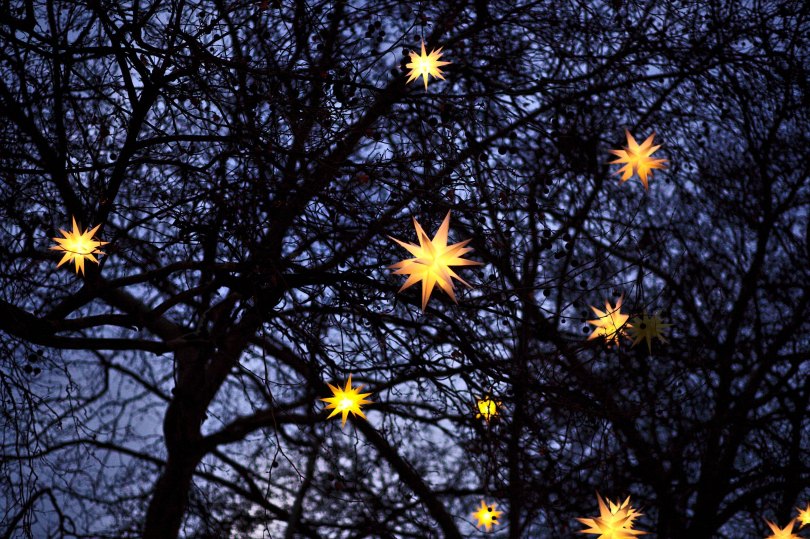
in cascata di stelle odorose.
Nella notte entreremo
fino al suo tremulo firmamento,
e le tue piccole mani e le mie
ruberanno le stelle.
E cautamente
nella nostra casa,
nella notte e nell’ombra,
entrerà con i tuoi passi
il silenzioso passo del profumo
e con i piedi stellati
il corpo chiaro della Primavera.
En la noche entraremos
a robar
una rama florida.
Pasaremos el muro,
en las tinieblas del jardín ajeno,
dos sombras en la sombra.
Aún no se fue el invierno,
y el manzano aparece
convertido de pronto
en cascada de estrellas olorosas.
En la noche entraremos
hasta su tembloroso firmamento,
y tus pequeñas manos y las mías
robarán las estrellas.
Y sigilosamente,
a nuestra casa,
en la noche y en la sombra,
entrará con tus pasos
el silencioso paso del perfume
y con pies estrellados
el cuerpo claro de la primavera.
In the night we shall go in
to steal
a flowering branch.
We shall climb over the wall
in the darkness of the alien garden,
two shadows in the shadow.
Winter is not yet gone,
and the apple tree appears
suddenly changed
into a cascade of fragrant stars.
In the night we shall go in
up to its trembling firmament,
and your little hands and mine
will steal the stars.
And silently,
to our house,
in the night and the shadow,
with your steps will enter
perfume’s silent step
and with starry feet
the clear body of spring.

La mente non può dormire, può solo giacere sveglia,
ingolfata, ad ascoltare la neve che si aduna
come per l’assalto finale.
Vorrebbe che venisse Čechov a somministrarle
qualcosa – tre gocce di valeriana, un bicchiere
d’acqua di rose – qualunque cosa, non importa.
La mente vorrebbe uscire di qui
fuori sulla neve. Vorrebbe correre
con un branco di bestie irsute, tutte denti,
sotto la luna, in mezzo alla neve, senza
lasciare traccia, neanche un’impronta, nulla.
È malata, stasera, la mente.
The mind can’t sleep, can only lie awake and
gorge, listening to the snow gather as
for some final assault.
It wishes Checkov were here to minister
something—three drops of valerian, a glass
of rose water—anything, it wouldn’t matter.
The mind would like to get out of here
onto the snow. It would like to run
with a pack of shaggy animals, all teeth,
under the moon, across the snow, leaving
no prints or spoor, nothing behind.
The mind is sick tonight.

L’agnello belava dolcemente.
L’asino, tenero, si rallegrava
in un caldo richiamo.
Il cane latrava,
quasi parlando alle stelle…
Mi destai. Uscii. Vidi orme
celesti nel suolo
fiorito
come un cielo
capovolto.
Un alito tiepido e dolce
velava il bosco;
la luna andava declinando
in un tramonto d’oro e di seta,
che sembrava un ambito divino…
Il mio petto palpitava,
come se il cuore avesse avuto vino…
Aprii la stalla per vedere se
era li.
C’era!
El cordero balaba dulcemente.
El asno, tierno, se alegraba
en un llamar caliente.
El perro ladreaba,
hablando casi a las estrellas…
Me desvelé, Salí. Vi huellas
celestes por el suelo
florecido
como un cielo
invertido.
Un vaho tibio y blando
velaba la arboleda;
la luna iba declinando
en un ocaso de oro y seda,
que parecía un ámbito divino…
Mi pecho palpitaba,
como si el corazón tuviese vino…
Abrí el establo a ver si estaba
El allí.
¡Estaba!
L’alba ha acceso il suo cuscino viola
– E tardi, tardi è arrivato il giorno d’inverno,
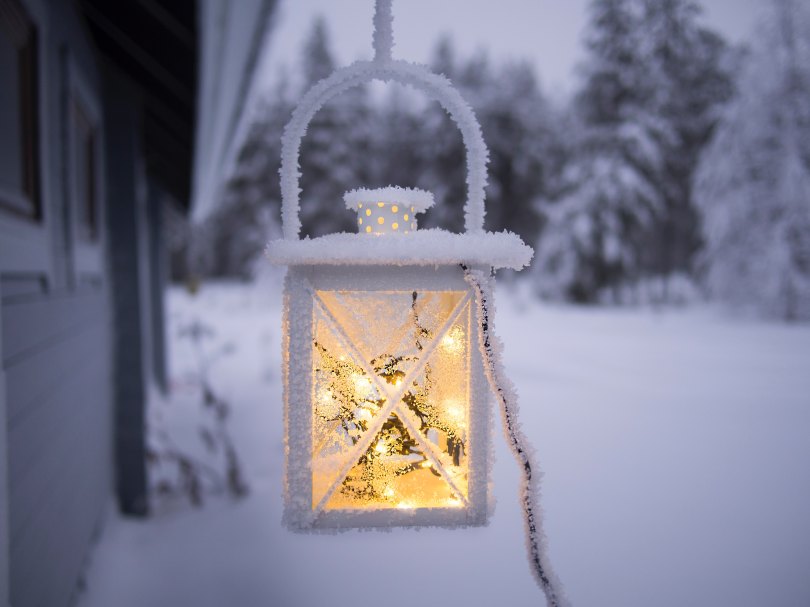
la neve era curva fino ai rami del salice.
– Il mondo senza sole era bianco e grigio.
A mezzogiorno abbiamo sentito una ghiandaia azzurra gracchiare,
– Alle cinque si era persa l’ultima fievole luce
Da finestre coperte di neve che sorreggevano debolmente
– La piumata filigrana di brina.
Dawn turned on her purple pillow
— And late, late came the winter day,
Snow was curved to the boughs of the willow.
— The sunless world was white and grey.
At noon we heard a blue-jay scolding,
— At five the last thin light was lost
From snow-banked windows faintly holding
— The feathery filigree of frost.
 nonsolobiancoenero