Onda che, avvolta, torni, Fernando Pessoa

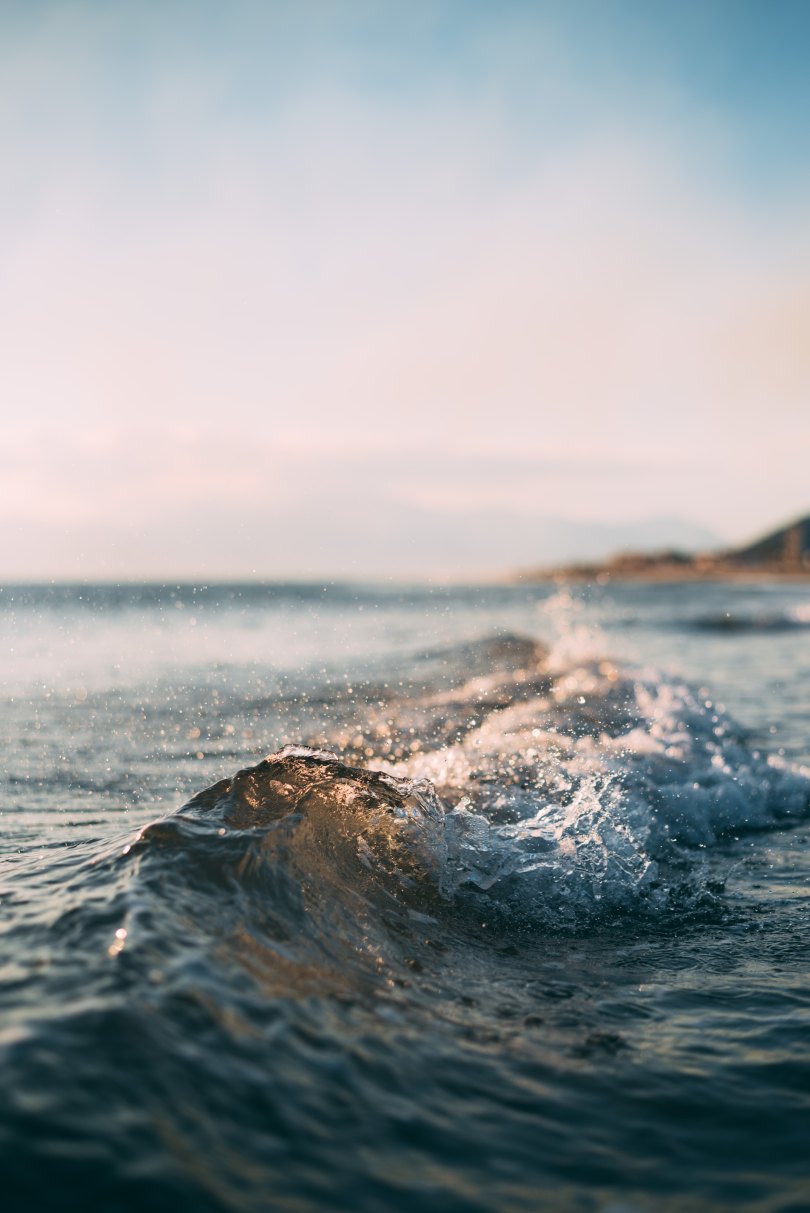
Onda che, avvolta, torni,
breve, al mare che ti portò,
e al recedere ti frastorni
come se il mare non fosse,

perché porti con te
solo la tua cessazione,
e, nel tornare al mare antico,
non porti il mio cuore?

E’ tanto tempo che l’ho
che mi pesa di sentirlo.
Portalo nel suono senza misura
con cui ti odo fuggire!

(Da “Poesie scelte” Fernando Pessoa – Passigli Editori – Traduzione Luigi Panarese)

Onda que, enrolada, tornas

Onda que, enrolada, tornas,
Pequena, ao mar que te trouxe
E ao recuar te transtornas
Como se o mar nada fosse,

Por que é que levas contigo
Só a tua cessação,
E, ao voltar ao mar antigo,
Não levas meu coração?

Há tanto tempo que o tenho
Que me pesa de o sentir,
Leva-o no som sem tamanho
Com que te oiço fugir!

Voi sapete e io so e tu sai, da “The Last Night of the Earth Poems”, Charles Bukowski

Voi sapete e io so e tu sai
che quando la tendina gialla si strappa
quando il gatto balza inferocito
quando il vecchio barista si appoggia al bancone
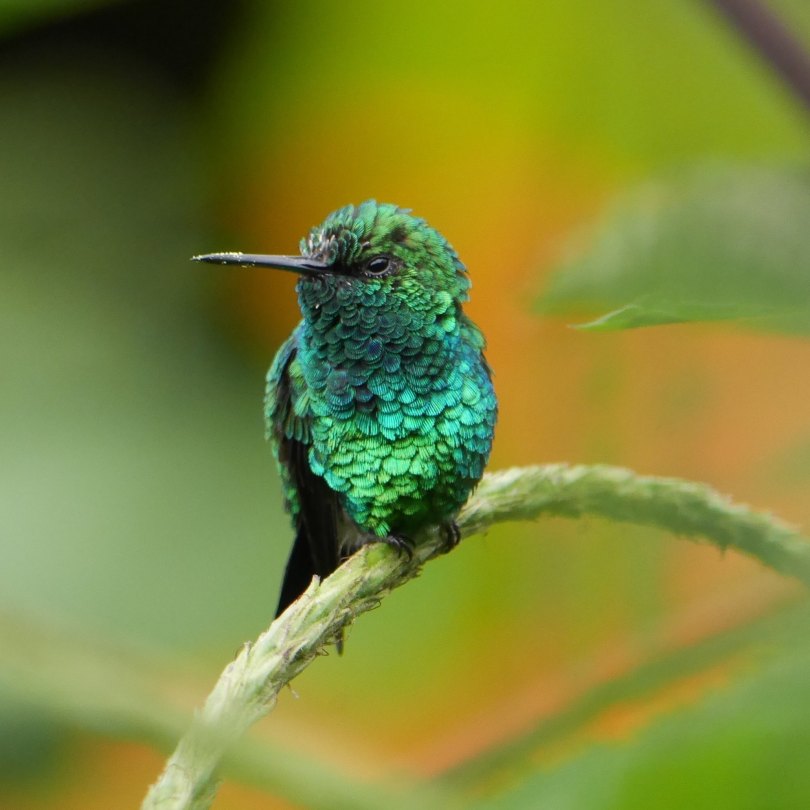
quando il colibrì dorme
voi sapete e io so e tu sai
quando i carri armati si esercitano su finti campi di battaglia
quando lasci correre le gomme in autostrada
quando il nano ubriaco di bourbon a buon mercato la notte
piange solo
quando i tori vengono allevati con cura per i matador
quando l’erba ti guarda e gli alberi ti guardano
quando il mare racchiude creature immense e vere
voi sapete e io so e tu sai
la tristezza e la gloria di due pantofole sotto un letto
la danza del tuo cuore che balla col tuo sangue
le fanciulle amorose che prima o poi odieranno gli specchi
fare gli straordinari all’inferno
pranzare con un’insalata andata a male
voi sapete e io so e tu sai
la fine per come la conosciamo adesso
sembra uno squallido imbroglio dopo una squallida agonia ma
voi sapete e io so e tu sai
la gioia che a volte spunta da non si sa dove
sorgendo come un falco che vaga nell’impossibilità
voi sapete e io so e tu sai
la strabica pazzia dell’euforia assoluta
sappiamo che alla fine non siamo stati truffati
voi sapete e io so e tu sai
quando guardiamo le nostre mani i nostri piedi le nostre vite
-la nostra strada
il colibrì addormentato
la morte assassinata dagli eserciti
il sole che ti mangia mentre lo guardi
voi sapete e io so e tu sai
sconfiggeremo la morte.

You Know and I Know and Thee Know

that as the yellow shade rips
as the cat leaps wild-eyed
as the old bartender leans on the wood
as the hummingbird sleeps

you know and I know and thee know

as the tanks practice on false battlefields
as your tires work the freeway
as the midget drunk on cheap bourbon cries alone at night
as the bulls are carefully bred for the matadors
as the grass watches you
and the trees watch you
as the sea holds creatures vast and true

you know and I know and thee know

the sadness and the glory of two slippers under a bed
the ballet of your heart dancing with your blood
young girls of love who will someday hate their mirrors
overtime in hell
lunch with sick salad

you know and I know and thee know

the end as we know it now it seems such a lousy trick
after the lousy agony but

you know and I know and thee know

the joy that sometimes comes along out of nowhere
rising like a falcon moon across the impossibility

you know and I know and thee know

the cross-eyed craziness of total elation
we know we finally have not been cheated

you know and I know and thee know

as we look at our hands our feet our lives our way
the sleeping hummingbird
the murdered dead of armies
the sun that eats you as you face it

you know and I know and thee know

we will defeat death.
Sullo squallore del mio campo, Emily Dickinson

Sullo Squallore del mio Campo
Frutti ho cercato di far crescere –
Da ultimo – il Mio Giardino di Roccia
Ha dato Uva – e Mais –

Un Suolo di Pietra, se coltivato con costanza
Ripagherà la Mano –
Il Seme di Palma, al Sole Libico
Fruttifica nella Sabbia –

(Traduzione di Giuseppe Ierolli)

On the Bleakness of my Lot

On the Bleakness of my Lot
Bloom I strove to raise –
Late – My Garden of a Rock
Yielded Grape – and Maize –

Soil of Flint, if steady tilled
Will refund the Hand –
Seed of Palm, by Libyan Sun
Fructified in Sand –

Domenica sera, Raymond Carver

Metti a frutto le cose che ti circondano.
Questa pioggerellina
fuori dalla finestra, per esempio.
La sigaretta che tengo tra le dita,
questi piedi sul divano.
Il suono del rock and roll sullo sfondo,
la Ferrari rossa che ho in testa.
La donna che si sbatte qua e là
girando ubriaca per la cucina…
Mettici dentro tutto,
mettilo a frutto.

(Traduzione di Riccardo Duranti e Francesco Durante)

Sunday Night 

Make use of the things around you.
This light rain
outside the window, for one.
This cigarette between my fingers,
these feet on the couch.
The faint sound of rock-and-roll,
the red Ferrari in my head.
The woman bumping
drunkenly around in the kitchen . . .
put it all in,
make use.

Giorno d’estate, Mary Oliver

Chi ha fatto il mondo?
Chi ha fatto il cigno e l’orso bruno?
Chi ha fatto la cavalletta?
Questa cavalletta, intendo, quella che è saltata fuori
dall’erba,
che sta mangiandomi lo zucchero in mano,
che muove le mandibole avanti e indietro invece che in su e in giù
e si guarda attorno con i suoi occhi enormi e complicati.
Ora solleva le zampine chiare e si pulisce il muso, con cura.
Ora apre le ali di scatto e vola via.
Non so esattamente che cosa sia una preghiera;
so prestare attenzione, so cadere nell’erba,
inginocchiarmi nell’erba,
so starmene beatamente in ozio, so andare a zonzo nei prati,
è quel che oggi ho fatto tutto il giorno.
Dimmi, che altro avrei dovuto fare?
Non è vero che tutto muore prima o poi, fin troppo presto?
Dimmi, che cosa pensi di fare
della tua unica vita, selvaggia e preziosa?

The Summer Day

Who made the world?
Who made the swan, and the black bear?
Who made the grasshopper?
This grasshopper, I mean– the one who has flung herself out of the grass,
the one who is eating sugar out of my hand,
who is moving her jaws back and forth instead of up and down–
who is gazing around with her enormous and complicated eyes.
Now she lifts her pale forearms and thoroughly washes her face.
Now she snaps her wings open, and floats away.
I don’t know exactly what a prayer is.
I do know how to pay attention, how to fall down
into the grass, how to kneel down in the grass,
how to be idle and blessed, how to stroll through the fields,
which is what I have been doing all day.
Tell me, what else should I have done?
Doesn’t everything die at last, and too soon?
Tell me, what is it you plan to do
with your one wild and precious life?

Mary Oliver, The House Light, Beacon Press, Boston, 1990