La realtà esige, da “Ogni caso” (1972), Wislawa Szymborska

La realtà esige
che si dica anche questo:
la vita continua.
Continua a Canne e Borodino
e a Kosovo Polje e a Guernica.

C’è un distributore di benzina
nella piazza di Gerico,
ci sono panchine dipinte di fresco
sotto la Montagna Bianca.
Lettere vanno e vengono
tra Pearl Harbour e Hastings,
un furgone di mobili transita
sotto l’occhio del leone di Cheronea,
e ai frutteti in fiore intorno a Verdun
si avvicina il fronte atmosferico.

C’è tanto Tutto
che il Nulla è davvero ben celato.
Dagli yacht ormeggiati ad Anzio
arriva la musica
e le coppie danzano sui ponti al sole.

Talmente tanto accade di continuo
che deve accadere dappertutto.
Dove non è rimasta pietra su pietra,
c’è un carretto di gelati
assediato dai bambini.
Dov’era Hiroshima
c’è ancora Hiroshima
e si producono molte cose
d’uso quotidiano.

Questo orribile mondo non è privo di grazie,
non è senza mattini
per cui valga la pena svegliarsi.
Sui campi di Maciejowice
l’erba è verde
e sull’erba, come è normale sull’erba,
una rugiada trasparente.

Forse non ci sono campi se non di battaglia,
quelli ancora ricordati,
quelli già dimenticati,
boschi di betulle e boschi di cedri,
nevi e nebbie, paludi iridescenti
e forre di nera sconfitta,
dove per un bisogno impellente
ci si accuccia dietro a un cespuglio.

Qual è la morale? – forse nessuna.
Di certo c’è solo il sangue che scorre e si rapprende
e, come sempre, fiumi, nuvole.

Sui valichi tragici
il vento porta via i cappelli
e non c’è niente da fare –
lo spettacolo ci diverte.

(Traduzione di Pietro Marchesani)

Reality Demands

Reality demands
that we also mention this:
Life goes on.
It continues at Cannae and Borodino,
at Kosovo Polje and Guernica.

There’s a gas station
on a little square in Jericho,
and wet paint
on park benches in Bila Hora.
Letters fly back and forth
between Pearl Harbor and Hastings,
a moving van passes
beneath the eye of the lion at Chaeronea,
and the blooming orchards near Verdun
cannot escape
the approaching atmospheric front.

There is so much Everything
that Nothing is hidden quite nicely.
Music pours
from the yachts moored at Actium
and couples dance on the sunlit decks.

So much is always going on,
that it must be going on all over.
Where not a stone still stands,
you see the Ice Cream Man
besieged by children.
Where Hiroshima had been
Hiroshima is again,
producing many products
for everyday use.
This terrifying world is not devoid of charms,
of the mornings
that make waking up worthwhile.

The grass is green
on Maciejowice’s fields,
and it is studded with dew,
as is normal grass.

Perhaps all fields are battlefields,
those we remember
and those that are forgotten:
the birch forests and the cedar forests,
the snow and the sand, the iridescent swamps
and the canyons of black defeat,
where now, when the need strikes, you don’t cower
under a bush but squat behind it.

What moral flows from this? Probably none.
Only that blood flows, drying quickly,
and, as always, a few rivers, a few clouds.

On tragic mountain passes
the wind rips hats from unwitting heads
and we can’t help
laughing at that.

(Translated from Polish by Stanislaw Baranczak and Clare Cavanagh)
Autoritratto, da “Dalla vita degli oggetti. Poesie” (1983-2005), Adam Zagajewski

Tra computer, matita e macchina da scrivere passa
metà della mia giornata. Col tempo farà mezzo secolo.
Abito in città straniere e talvolta parlo
con sconosciuti di cose indifferenti.
Ascolto molta musica: Bach, Mahler, Šostakovič, Chopin.
Vi trovo tre elementi, forza, debolezza, dolore.
Il quarto non ha nome.
Leggo i poeti, i vivi e i morti, da loro apprendo
costanza, fede e orgoglio. Cerco di capire
i grandi filosofi – ma di solito riesco
ad afferrare solo brandelli dei loro preziosi pensieri.
Amo fare lunghe passeggiate per le strade di Parigi
e guardare i miei simili, animati dalla gelosia,
dalla brama o dall’ira, osservare la moneta d’argento
che passa di mano in mano e lentamente perde
la sua forma rotonda (si usura il profilo dell’imperatore).
Accanto crescono gli alberi, e nulla esprimono,
a parte la verde, indifferente perfezione.
Sui campi volteggiano uccelli neri
che attendono pazienti come vedove spagnole.
Non sono più giovane, ma c’è ancora chi è più vecchio di me.
Amo il sonno profondo, quando non ci sono,
la corsa veloce in bicicletta per la campagna, quando i pioppi
e le case si dissolvono come cumuli in un cielo sereno.
Talvolta mi parlano i quadri nei musei
e allora l’ironia svanisce all’improvviso.
Adoro osservare il volto di mia moglie.
Ogni domenica telefono a mio padre.
Ogni due settimane incontro gli amici,
in questo modo restiamo fedeli gli uni agli altri.
Il mio paese si è liberato da un male. Vorrei
che a ciò seguisse ancora un’altra liberazione.
Potrei in ciò essere d’aiuto? Non so.
Non sono un vero figlio del mare,
come scrisse di sé Antonio Machado,
ma figlio dell’aria, della menta e del violoncello
e non tutte le strade del mondo alto
incrociano i sentieri della vita che, per ora,
mi appartiene.

(Traduzione di Krystyna Jaworska)

Self-Portrait

Between the computer, a pencil, and a typewriter
half my day passes. One day it will be half a century.
I live in strange cities and sometimes talk
with strangers about matters strange to me.
I listen to music a lot: Bach, Mahler, Chopin, Shostakovich.
I see three elements in music: weakness, power, and pain.
The fourth has no name.
I read poets, living and dead, who teach me
tenacity, faith, and pride. I try to understand
the great philosophers–but usually catch just
scraps of their precious thoughts.
I like to take long walks on Paris streets
and watch my fellow creatures, quickened by envy,
anger, desire; to trace a silver coin
passing from hand to hand as it slowly
loses its round shape (the emperor’s profile is erased).
Beside me trees expressing nothing
but a green, indifferent perfection.
Black birds pace the fields,
waiting patiently like Spanish widows.
I’m no longer young, but someone else is always older.
I like deep sleep, when I cease to exist,
and fast bike rides on country roads when poplars and houses
dissolve like cumuli on sunny days.
Sometimes in museums the paintings speak to me
and irony suddenly vanishes.
I love gazing at my wife’s face.
Every Sunday I call my father.
Every other week I meet with friends,
thus proving my fidelity.
My country freed itself from one evil. I wish
another liberation would follow.
Could I help in this? I don’t know.
I’m truly not a child of the ocean,
as Antonio Machado wrote about himself,
but a child of air, mint and cello
and not all the ways of the high world
cross paths with the life that—so far—
belongs to me.

From Mysticism for Beginners by Adam Zagajewski, translated by Claire Cavanagh

La vita tranquilla, da “L’uomo che cammina un passo avanti al buio”, Mark Strand

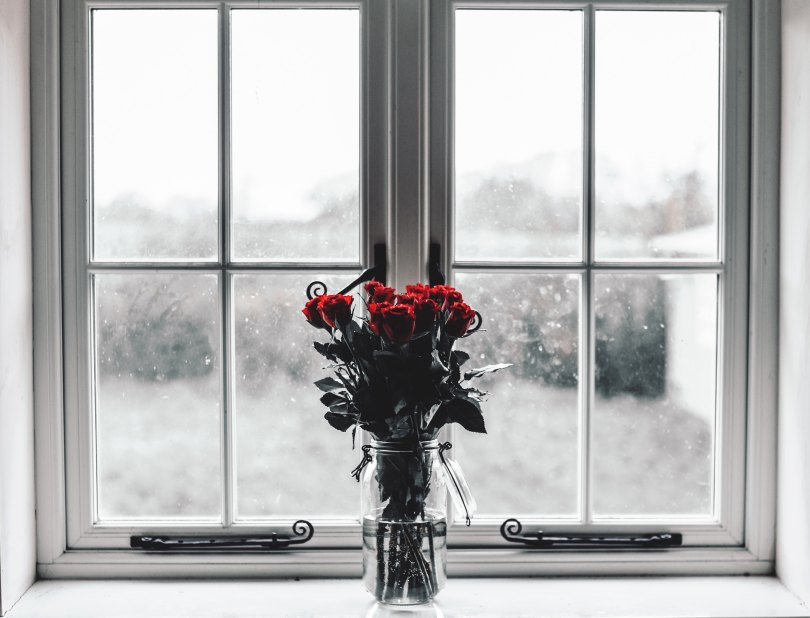
Sei in piedi alla finestra.
C’è una nube di vetro a forma di cuore.
I sospiri del vento sono caverne in ciò che dici.
Sei il fantasma sull’albero lì fuori.

La strada è muta.
Il clima, come il domani, come la tua vita,
è in parte qui, in parte per aria.
Non puoi farci niente.

La vita tranquilla non dà preavvisi.
Consuma i climi dello sconforto
e compare, a piedi, non riconosciuta, senza offrire nulla,
e tu sei lì.

(Traduzione di Damiano Abeni)

The Good Life

You stand at the window.
There is a glass cloud in the shape of a heart.
There are the wind’s sighs that are like caves in your speech.

You are the ghost in the tree outside.
The street is quiet.
The weather, like tomorrow, like your life,
is partially here, partially up in the air.

There is nothing you can do.
The good life gives no warning.
It weathers the climates of despair
and appears, on foot, unrecognized, offering nothing,
and you are there.

From “Darker: poems”, Atheneum, 1970

Un inno per l’occhio, Jorge Debravo

Io dico che se l’anima ha un posto,
quel posto è l’occhio.
L’occhio che alimenta il nostro amore
e la nostra gioia.

L’uomo stesso, l’uomo
tutto fuoco e sorpresa,
non potrebbe essere uomo
senza l’occhio.

La vita, il mare, il cielo,
tutto era una vaga maceria,
fino a che un giorno l’occhio riunì tutto ciò ch’era vivo
e lo avvicinò ai volti.

Tutta l’eternità venne giustificata
il giorno che tutte le cose più vive della vita
si fecero pozzo di sorpresa
nell’occhio.

(Traduzione di Alessio Brandolini)

Un himno para el ojo

Yo digo que si el alma tiene un sitio,
ese sitio es el ojo.
El ojo que sustenta nuestro amor
y nuestro gozo.

El hombre mismo, el hombre
todo fuego y asombro,
no podría ser hombre
sin el ojo.

La vida, el mar, el cielo,
todo era un vago escombro,
hasta que un día el ojo reunió todo lo vivo
y lo acercó a los rostros.

Toda la eternidad quedó justificada
el día que lo más vivo de la vida
se hizo pozo de asombros
en el ojo.

Carpe diem, da “Balistica” (2011), Billy Collins

Forse erano le nuvole che si spostavano in fretta
o i fiori di primavera che fremevano fra le foglie secche
ma ero certo di essere nato proprio per cogliere questo giorno –

non solo un’altra carta nel mazzo dell’anno,
ma proprio il 19 marzo,
che appare chiaro e fresco come il dieci di quadri.

Vivere la vita appieno è l’unico modo,
pensavo mentre sedevo accanto a un finestrone
e picchiettavo con la matita la cupola di un fermacarte di vetro.

Bere fino all’ultima goccia dal calice della vita
era un consiglio irresistibile,
dicevo a me stesso mentre guardavo le date di qualcuno

nel Dizionario Biografico Nazionale
e poco dopo, mentre scrivevo alcune parole
sul retro di una cartolina.

Passare sfondando i cancelli di ferro della vita,
si tratta solo di questo,
avevo concluso mentre mi sdraiavo sulla moquette

con le mani intrecciate dietro la testa,
e riflettevo su quanto fosse unico questo giorno
e quanto io fossi diverso dagli uomini

del hara-kiri per i quali è un disonore
finire sdraiati sulla schiena.
Meglio, pensano, essere trovati a faccia in giù

con una camicia intrisa di sangue,
che essere scoperti con lo sguardo senza vita
fisso in alto sull’elegante soffitto di teak,

e ora posso quasi udire il silenzio
delle campane del tempio e il silenzio più leggero
degli uccelli che si nascondono nel buio di una siepe.

(Traduzione di Franco Nasi)

Carpe Diem

Maybe it was the fast-moving clouds
or the spring flowers quivering among the dead leaves,
but I knew this was one day I was born to seize –

not just another card in the deck of a year,
but March 19th itself,
looking as clear and fresh as the ten of diamonds.

Living life to the fullest is the only way,
I thought as I sat by a tall window
and tapped my pencil on the dome of a glass paperweight.

To drain the cup of life to the dregs
was a piece of irresistible advice,
I averred as I checked someone’s dates

in the Dictionary of National Biography
and later, as I scribbled a few words
on the back of a picture postcard.

Crashing through the iron gates of life
is what it is all about,
I decided as I lay down on the carpet,

locked my hands behind my head,
and considered how unique this day was
and how different I was from the men

of hari-kari for whom it is disgraceful
to end up lying on your back.
Better, they think, to be found facedown

in a blood-soaked shirt
than to be discovered with lifeless eyes
fixed on the elegant teak ceiling above you,

and now I can almost hear the silence
of the temple bells and the lighter silence
of the birds hiding in the darkness of a hedge.

____________________________________________

«E il corollario del carpe diem è la gratitudine, la gratitudine per essere semplicemente vivi, per avere un giorno da cogliere.
La presa del respiro, il battito del cuore. Gratitudine per il mondo naturale che ci circonda – le nuvole che si ammassano, l’ibis bianco vicino alla riva.
A Barcellona si tiene ogni anno un concorso di poesia. Ci sono tre premi: il terzo premio è una rosa d’argento, il secondo premio è una rosa d’oro e il primo premio: una rosa. Una vera rosa. Il fiore stesso.
Pensate a ciò la prossima volta che sentite il termine “priorità”.»

Dalla cerimonia di apertura a cui è intervenuto Billy Collins (Poeta Laureato 2001-2003) presso il Colorado College, 19 maggio 2008.

Trema in luce l’acqua, Fernando Pessoa

Trema in luce l’acqua.
Mal vedo. Mi sembra
che una aliena pena
nella mia anima scende –

pena erma di qualcuno
di alcun altro mondo
dove il dolore è un bene
e l’amore è profondo,

e solo punge vedere,
in lontananza, illusa,
la vita che muore
il sogno della vita.

(Da “Poesie scelte” Fernando Pessoa – Passigli Editori – Traduzione Luigi Panarese)

Treme em luz a água

Treme em luz a água.
Mal vejo. Parece
Que uma alheia mágoa
Na minha alma desce –

Mágoa erma de alguém
De algum outro mundo
Onde a dor é um bem
E o amor é profundo,

E só punge ver,
Ao longe, iludida,
A vida a morrer
O sonho da vida.

Poesia spericolata, Mary Oliver

Anche oggi sono a malapena me stessa.
Capita di continuo.
E’ una condizione mandata dal cielo.

Mi scorre attraverso
come l’onda blu.
Foglie verdi – puoi crederci o no –
sono una o due volte
emerse dalla punta delle mie dita

da qualche parte
nel fitto del bosco,
nella spericolata conquista della primavera.

Tuttavia, ovviamente, conosco anche quell’altra canzone,
la dolce passione dell’unicità.

Proprio ieri ho osservato una formica che attraversava un sentiero,
arrancava attraverso gli aghi di pino caduti.
E ho pensato: non vivrà mai altra vita se non questa.
E ho pensato: se vive la propria vita con tutte le sue forze
non è magnifica e saggia?
E ho continuato risalendo la miracolosa piramide di tutte le cose
finché non sono giunta a me stessa.

E ancora, anche in questi boschi del nord, su queste colline di sabbia,
sono volata dall’altra finestra di me stessa
per diventare airone bianco, balena blu,
volpe rossa, porcospino.
Oh, a volte di già il mio corpo si è sentito come il corpo di un fiore!
A volte di già il mio cuore è un pappagallo rosso, appollaiato
tra strani, scuri alberi, che agita le ali e urla.

(Traduzione di Alessandra Marchesi)

Reckless Poem

Today again I am hardly myself.
It happens over and over.
It is heaven-sent.

It flows through me
like the blue wave.
Green leaves — you may believe this or not —
have once or twice
emerged from the tips of my fingers

somewhere
deep in the woods,
in the reckless seizure of spring.

Though, of course, I also know that other song,
the sweet passion of one-ness.

Just yesterday I watched an ant crossing a path, through the
tumbled pine needles she toiled.
And I thought: she will never live another life but this one.
And I thought: if she lives her life with all her strength
is she not wonderful and wise?
And I continued this up the miraculous pyramid of everything
until I came to myself.

And still, even in these northern woods, on these hills of sand,
I have flown from the other window of myself
to become white heron, blue whale,
red fox, hedgehog.
Oh, sometimes already my body has felt like the body of a flower!
Sometimes already my heart is a red parrot, perched
among strange, dark trees, flapping and screaming.

Solitari, bianchi campi, Mary Oliver

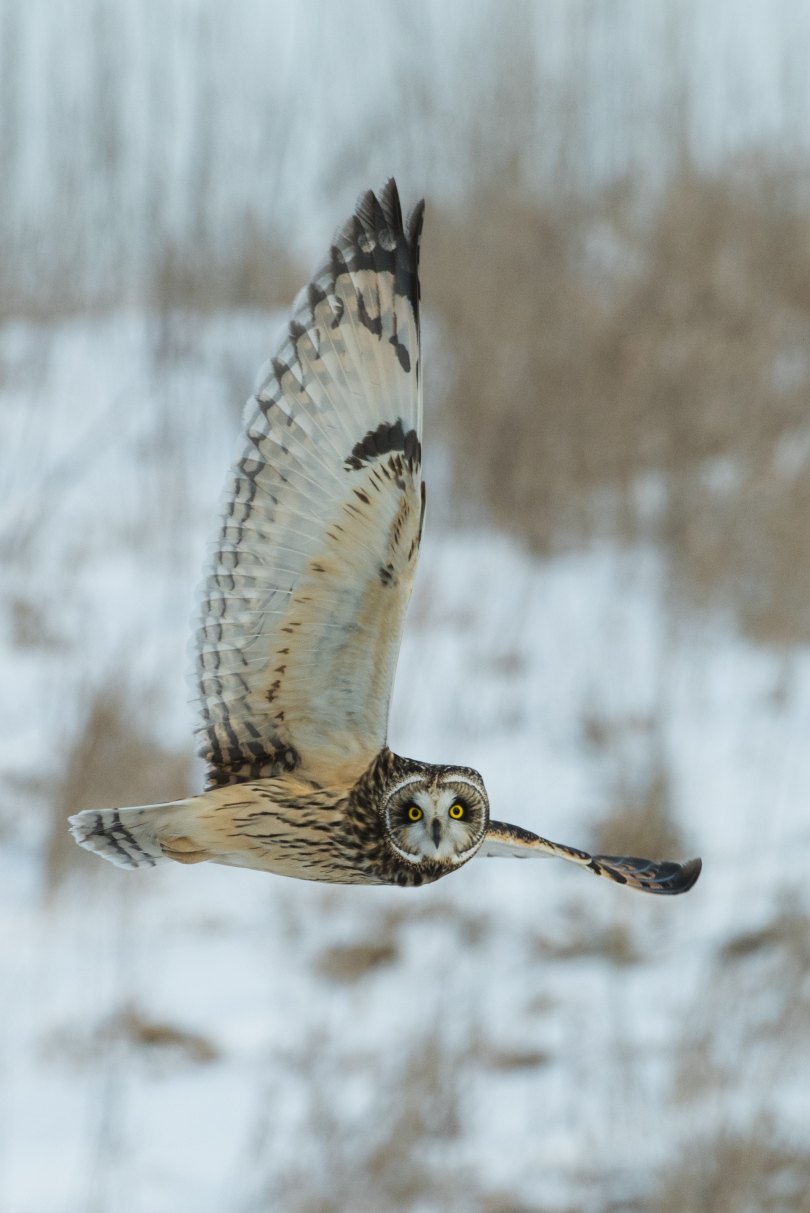
Ogni notte
il gufo
con la sua scimmiesca faccia selvaggia
lancia il suo richiamo di tra i rami neri,
e i topi hanno freddo
e i conigli rabbriviscono
nei campi innevati –
e allora si apre la lunga, profonda valle del silenzio
quando egli smette il suo canto e si lancia
in aria.
Io non so
quale sia della morte lo scopo
ultimo, ma penso
questo: chiunque sogni di tenere la sua
vita in pugno
anno dopo anno per centinaia di anni
non ha mai considerato il gufo –
come egli viene, esausto,
attraverso la neve,
attraverso gli alberi ibernati,
superati tronchi e piante,
tirandosi fuori da stalle e campanili,
girando per questa e quella via
attraverso le maglie di qualunque ostacolo –
fermato da nulla –
riempiendosi momento dopo momento
di una gioia rossa e digeribile,
lanciandosi a falce dai campi solitari e bianchi –
e come al mattino,
come se ogni cosa fosse
come deve essere, i campi
si fanno intensi di luce rosa,
il gufo scompare
allontanandosi tra i rami,
la neve va a cadere
fiocco dopo perfetto fiocco.

Lonely, White Fields

Every night
the owl
with his wild monkey-face
calls through the black branches,
and the mice freeze
and the rabbits shiver
in the snowy fields-
and then there is the long, deep trough of silence
when he stops singing, and steps
into the air.
I don’t know
what death’s ultimate
purpose is, but I think
this: whoever dreams of holding his
life in his fist
year after year into the hundreds of years
has never considered the owl-
how he comes, exhausted,
through the snow,
through the icy trees,
past snags and vines, wheeling
out of barns and church steeples,
turning this way and that way
through the mesh of every obstacle-
undeterred by anything-
filling himself time and time again
with a red and digestible joy
sickled up from the lonely, white fields-
and how at daybreak,
as though everything had been done
that must be done, the fields
swell with a rosy light,
the owl fades
back into the branches,
the snow goes on falling
flake after perfect flake.

Avverbi di luogo, da “Adverbios de lugar” (2004), Juan Vicente Piqueras

Qui è dove sto io. Dovunque sia
io sempre sono qui, dove mi vedi.
Questa casa, queste facce, queste cose
stancano perché il qui stanca.
Qui fa venir sete di andarsene, sete di lì.
Ma lì è il luogo in cui mai potrò stare,
in cui io sono impossibile. Dovunque vada,
là dove arrivi diventerà qui
e starò già aspettando me stesso
con un mazzo di rose uguali nella mano.

Lì è il tuo qui.
Lì sembra un grido perché è dove ti fa male.
Io voglio essere lì, dove sei tu,
tu qui o, meglio, tutti e due laggiù, remoti, insieme,
perché è vivo quel che è insieme.
Lì c’è l’amore che non c’è qui.
Quelle cose toccate dalle tue mani,
quello che pensi, dici, taci, sogni,
quei luoghi in cui stai senza di me,
quello desidero, di quello ho bisogno.
Ed essere il tuo lì, il tuo respiro dentro.

Laggiù è la salvezza, il miraggio
nato dalla sete di star qui.
Laggiù sì che saremmo felici,
dove il tuo qui e il mio lì starebbero insieme,
e vivrebbero per sempre felici e contenti.
Laggiù c’è quella pioggia
che cade su questa lana assetata.
Laggiù è Jauja, l’Eldorado. Non ci sono parole
che possono dare l’idea di quel luogo.
Le parole sono queste, mai quelle.

Io sto qui e tu lì e laggiù noi quando.
Questo è pietra. Quello è seta. Quello laggiù è mare.

Qui, dimora impossibile, intima assenza,
odiato domicilio, carcere di ogni giorno.

Lì, calore del tu, tu vita mia,
tesoro della tua isola, aria di amore.

Laggiù, dove non siamo, piove sopra la vita
che giammai sarà nostra e che aspetta.

(Traduzione di Raffaella Marzano)

Adverbios de lugar

Aquí es donde estoy yo. Esté donde esté
yo siempre estoy aquí donde me ves.
esta casa, estas caras, estas cosas
cansan, porque aquí cansa
aquí hace sed de irse, sed de allí
pero allí es el lugar donde jamás podré estar,
donde yo soy imposible. Vaya adonde vaya,
allá donde yo llegue será aquí
y estaré ya esperándome a mí mismo
con un ramo de rosas iguales en la mano.

Ahí es tu aquí.
Ahí parece un grito porque es donde te duele.
Yo quiero estar ahí, donde estás tú,
tú aquí o, mejor, los dos allí, remotos, juntos
porque lo vivo es lo junto.
Ahí hay el amor que no hay aquí.
Esas cosas tocadas por tus manos,
eso que piensas, dices, callas, sueñas,
esos lugares donde estás sin mí,
eso deseo, eso necesito
y ser tu ahí, tu aliento intercalado.

Allí es la salvación, el espejismo
nacido de la sed de estar aquí.
Allí sí que seríamos felices,
donde tu aquí y mi ahí estarían juntos,
comerían perdices que no existen.
Allí es la lluvia aquella
que cae sobre este páramo sediento.
Allí es Jauja, el Dorado. No hay palabras
que puedan dar idea de aquel sitio.
Las palabras son éstas, nunca aquéllas.

Yo esoty aquí y tú ahí y allá nosotros cuándo.
Eso es piedra. Eso es seda. Aquello es mar.

Aquí, hogar imposible, íntima ausencia,
odiado domicio, cárcel del cada día.

Ahí, calor del tú, tu vida mía,
tesoro de tu isla, aire de amor.

Allí, donde no estamos, llueve sobre la vida
que nunca será nuestra y nos aguarda.

Autotomia, da “Ogni caso” (1972), Wislawa Szymborska

Alla memoria di Halina Poświatowska

In caso di pericolo, l’oloturia si divide in due:
dà un sé in pasto al mondo,
e con l’altro fugge.

Si scinde d’un colpo in rovina e salvezza,
in ammenda e premio, in ciò che è stato e ciò che sarà.

Nel mezzo del suo corpo si apre un abisso
con due sponde subito estranee.

Su una la morte, sull’altra la vita.
Qui la disperazione, là la fiducia.

Se esiste una bilancia, ha piatti immobili.
Se c’è una giustizia, eccola.

Morire quanto necessario, senza eccedere.
Ricrescere quanto occorre da ciò che si è salvato.

Già, anche noi sappiamo dividerci in due.
Ma solo in corpo e sussurro interrotto.
In corpo e poesia.

Da un lato la gola, il riso dall’altro,
un riso leggero, di già soffocato.

Qui il cuore pesante, là non omnis moriar,
tre piccole parole, soltanto, tre piume d’un volo.

L’abisso non ci divide.
L’abisso circonda.

(Traduzione di Pietro Marchesani)

Autotomy

In memoriam Halina Poświatowska

In danger, the holothurian cuts itself in two.
It abandons one self to a hungry world
and with the other self it flees.

It violently divides into doom and salvation,
retribution and reward, what has been and what will be.

An abyss appears in the middle of its body
between what instantly become two foreign shores.

Life on one shore, death on the other.
Here hope and there despair.

If there are scales, the pans don’t move.
If there is justice, this is it.

To die just as required, without excess.
To grow back just what’s needed from what’s left.

We, too, can divide ourselves, it’s true.
But only into flesh and a broken whisper.
Into flesh and poetry.

The throat on one side, laughter on the other,
quiet, quickly dying out.

Here the heavy heart, there non omnis moriar—
just three little words, like a flight’s three feathers.

The abyss doesn’t divide us.
The abyss surrounds us.

(Translated from Polish by Stanislaw Baranczak and Clare Cavanagh)