Gusto un liquore mai prima distillato, Emily Dickinson

Gusto un liquore mai prima distillato –
da boccali scavati nella perla –
non tutti i tini lungo il Reno
offrono una tale acquavite!

Inebriata d’aria – io sono –
e stordita di rugiada –
barcollo – per giorni estivi interminabili –
da taverne di blu fuso –

Quando gli osti scacciano dalla porta
della digitale l’ape ubriaca –
quando le farfalle – rinunciano al loro “goccetto”,
io berrò ancora di più!

Finché gli angeli sventoleranno i cappelli nivei –
e i santi – alle finestre accorreranno –
per vedere la piccola ubriaca
che si appoggia al – sole –

(Traduzione di Massimo Bacigalupo)

I taste a liquor never brewed –

I taste a liquor never brewed –
From Tankards scooped in Pearl –
Not all the Vats upon the Rhine
Yield such an Alcohol!

Inebriate of air – am I –
And Debauchee of Dew –
Reeling – thro’ endless summer days –
From inns of Molten Blue –

When “Landlords” turn the drunken Bee
Out of the Foxglove’s door –
When Butterflies – renounce their “drams” –
I shall but drink the more!

Till Seraphs swing their snowy Hats –
And Saints – to windows run –
To see the little Tippler
Leaning against the – Sun –

_____________________
Nota del traduttore:
[214] ca. 1860 (“Springfield Daily Republican”, 4 maggio 1861, titolo The May Wine; 1890). CM. Celebrazione dell’estate e dell’ebrezza naturale che suscita, giocata sulla metafora dell’ubriacatura: il liquore è l’aria, il boccale i fiori, l’osteria il cielo blu, le strade i giorni d’estate, gli altri bevitori l’ape e la farfalla, il lampione cui l’ubriaco si appoggia è il sole. Attraverso il naturale si accede all’oltremondo, sicché i testimoni della spettacolare ubriacatura sono celesti.

Tristezze della luna, da “Les fleurs du mal”, Charles Baudelaire

Più pigra sogna la luna stasera.
Come bellezza, su molli cuscini,
che accarezza distratta e leggera,
prima del sonno, le curve dei seni,

sul dorso serico delle valanghe,
morente, manda estenuati sospiri,
sperde il suo sguardo in visioni bianche
fluttuanti nell’azzurro come fiori.

Quando languida, oziosa, una furtiva
lacrima lascia che quaggiù arrivi,
un poeta, devoto, veglia, e afferra

nella sua mano quella goccia pallida,
iridata come scheggia d’opale,
lungi dal sole in sé la sotterra.

(Traduzione di Antonio Prete)

Tristesses de la lune

Ce soir, la lune rêve avec plus de paresse;
Ainsi qu’une beauté, sur de nombreux coussins,
Qui d’une main distraite et légère caresse
Avant de s’endormir le contour de ses seins,

Sur le dos satiné des molles avalanches,
Mourante, elle se livre aux longues pâmoisons,
Et promène ses yeux sur les visions blanches
Qui montent dans l’azur comme des floraisons.

Quand parfois sur ce globe, en sa langueur oisive,
Elle laisse filer une larme furtive,
Un poète pieux, ennemi du sommeil,

Dans le creux de sa main prend cette larme pâle,
Aux reflets irisés comme un fragment d’opale,
Et la met dans son coeur loin des yeux du soleil.

Sadness of the Moon

Tonight the moon dreams with more indolence,
Like a lovely woman on a bed of cushions
Who fondles with a light and listless hand
The contour of her breasts before falling asleep;

On the satiny back of the billowing clouds,
Languishing, she lets herself fall into long swoons
And casts her eyes over the white phantoms
That rise in the azure like blossoming flowers.

When, in her lazy listlessness,
She sometimes sheds a furtive tear upon this globe,
A pious poet, enemy of sleep,

In the hollow of his hand catches this pale tear,
With the iridescent reflections of opal,
And hides it in his heart afar from the sun’s eyes.

— William Aggeler, The Flowers of Evil (Fresno, CA: Academy Library Guild, 1954)

Spiraglio, Fernando Pessoa

Nei miei momenti oscuri
in cui in me non c’è nessuno,
e tutto è nebbie e muri
quando la vita dà o tiene,

se, un istante, alzando la fronte
da ove in me sono atterrato,
vedo il lontano orizzonte
pieno di sole occiduo o sorto,

rivivo, esisto, conosco,
e, ancor che sia illusione
l’esteriore in cui mi oblio,
nulla più voglio e chiedo.
Gli consegno il cuore.

(Da “Poesie scelte” Fernando Pessoa – Passigli Editori – Traduzione Luigi Panarese)

Fresta

Em meus momentos escuros
Em que em mim não há ninguém,
E tudo é névoas e muros
Quanto a vida dá ou tem,

Se, um instante, erguendo a fronte
De onde em mim sou aterrado,
Vejo o longínquo horizonte
Cheio de sol posto ou nado

Revivo, existo, conheço,
E, ainda que seja ilusão
O exterior em que me esqueço,
Nada mais quero nem peço.
Entrego-lhe o coração.

Fernando Pessoa, in “Cancioneiro”

Voglio ignorato, e calmo, Fernando Pessoa

Voglio ignorato, e calmo
perchè ignorato, e proprio
perchè calmo, riempire i miei giorni
di non volere altro da essi.

A quelli che la ricchezza tocca
l’oro irrita la pelle.
A quelli che la fama seconda
s’appanna la vita.

A quelli cui la felicità
è sole, verrà la notte.
Ma  a chi nulla spera
tutto ciò che viene è gradito.

(Da “Poesie scelte” Fernando Pessoa – Passigli Editori – Traduzione Luigi Panarese)

Quero ignorado, e calmo

Quero ignorado, e calmo
Por ignorado, e próprio
Por calmo, encher meus dias
De não querer mais deles.

Aos que a riqueza toca
O ouro irrita a pele.
Aos que a fama bafeja
Embacia-se a vida.

Aos que a felicidade
É sol, virá a noite.
Mas ao que nada espera
Tudo que vem é grato.

Voi sapete e io so e tu sai, da “The Last Night of the Earth Poems”, Charles Bukowski

Voi sapete e io so e tu sai
che quando la tendina gialla si strappa
quando il gatto balza inferocito
quando il vecchio barista si appoggia al bancone
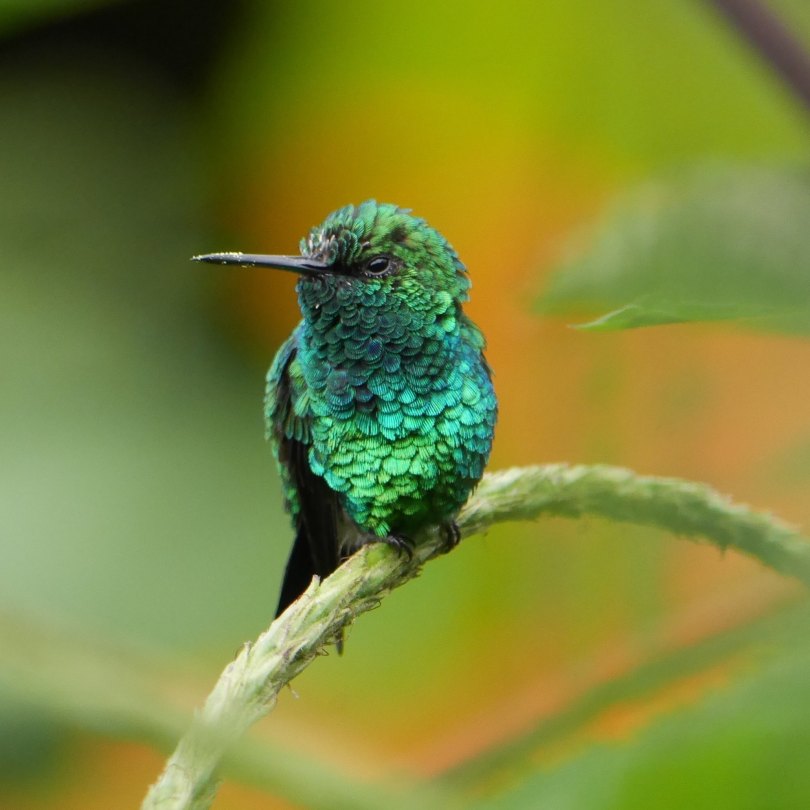
quando il colibrì dorme
voi sapete e io so e tu sai
quando i carri armati si esercitano su finti campi di battaglia
quando lasci correre le gomme in autostrada
quando il nano ubriaco di bourbon a buon mercato la notte
piange solo
quando i tori vengono allevati con cura per i matador
quando l’erba ti guarda e gli alberi ti guardano
quando il mare racchiude creature immense e vere
voi sapete e io so e tu sai
la tristezza e la gloria di due pantofole sotto un letto
la danza del tuo cuore che balla col tuo sangue
le fanciulle amorose che prima o poi odieranno gli specchi
fare gli straordinari all’inferno
pranzare con un’insalata andata a male
voi sapete e io so e tu sai
la fine per come la conosciamo adesso
sembra uno squallido imbroglio dopo una squallida agonia ma
voi sapete e io so e tu sai
la gioia che a volte spunta da non si sa dove
sorgendo come un falco che vaga nell’impossibilità
voi sapete e io so e tu sai
la strabica pazzia dell’euforia assoluta
sappiamo che alla fine non siamo stati truffati
voi sapete e io so e tu sai
quando guardiamo le nostre mani i nostri piedi le nostre vite
-la nostra strada
il colibrì addormentato
la morte assassinata dagli eserciti
il sole che ti mangia mentre lo guardi
voi sapete e io so e tu sai
sconfiggeremo la morte.

You Know and I Know and Thee Know

that as the yellow shade rips
as the cat leaps wild-eyed
as the old bartender leans on the wood
as the hummingbird sleeps

you know and I know and thee know

as the tanks practice on false battlefields
as your tires work the freeway
as the midget drunk on cheap bourbon cries alone at night
as the bulls are carefully bred for the matadors
as the grass watches you
and the trees watch you
as the sea holds creatures vast and true

you know and I know and thee know

the sadness and the glory of two slippers under a bed
the ballet of your heart dancing with your blood
young girls of love who will someday hate their mirrors
overtime in hell
lunch with sick salad

you know and I know and thee know

the end as we know it now it seems such a lousy trick
after the lousy agony but

you know and I know and thee know

the joy that sometimes comes along out of nowhere
rising like a falcon moon across the impossibility

you know and I know and thee know

the cross-eyed craziness of total elation
we know we finally have not been cheated

you know and I know and thee know

as we look at our hands our feet our lives our way
the sleeping hummingbird
the murdered dead of armies
the sun that eats you as you face it

you know and I know and thee know

we will defeat death.

La realtà esige, da “Ogni caso” (1972), Wislawa Szymborska

La realtà esige
che si dica anche questo:
la vita continua.
Continua a Canne e Borodino
e a Kosovo Polje e a Guernica.

C’è un distributore di benzina
nella piazza di Gerico,
ci sono panchine dipinte di fresco
sotto la Montagna Bianca.
Lettere vanno e vengono
tra Pearl Harbour e Hastings,
un furgone di mobili transita
sotto l’occhio del leone di Cheronea,
e ai frutteti in fiore intorno a Verdun
si avvicina il fronte atmosferico.

C’è tanto Tutto
che il Nulla è davvero ben celato.
Dagli yacht ormeggiati ad Anzio
arriva la musica
e le coppie danzano sui ponti al sole.

Talmente tanto accade di continuo
che deve accadere dappertutto.
Dove non è rimasta pietra su pietra,
c’è un carretto di gelati
assediato dai bambini.
Dov’era Hiroshima
c’è ancora Hiroshima
e si producono molte cose
d’uso quotidiano.

Questo orribile mondo non è privo di grazie,
non è senza mattini
per cui valga la pena svegliarsi.
Sui campi di Maciejowice
l’erba è verde
e sull’erba, come è normale sull’erba,
una rugiada trasparente.

Forse non ci sono campi se non di battaglia,
quelli ancora ricordati,
quelli già dimenticati,
boschi di betulle e boschi di cedri,
nevi e nebbie, paludi iridescenti
e forre di nera sconfitta,
dove per un bisogno impellente
ci si accuccia dietro a un cespuglio.

Qual è la morale? – forse nessuna.
Di certo c’è solo il sangue che scorre e si rapprende
e, come sempre, fiumi, nuvole.

Sui valichi tragici
il vento porta via i cappelli
e non c’è niente da fare –
lo spettacolo ci diverte.

(Traduzione di Pietro Marchesani)

Reality Demands

Reality demands
that we also mention this:
Life goes on.
It continues at Cannae and Borodino,
at Kosovo Polje and Guernica.

There’s a gas station
on a little square in Jericho,
and wet paint
on park benches in Bila Hora.
Letters fly back and forth
between Pearl Harbor and Hastings,
a moving van passes
beneath the eye of the lion at Chaeronea,
and the blooming orchards near Verdun
cannot escape
the approaching atmospheric front.

There is so much Everything
that Nothing is hidden quite nicely.
Music pours
from the yachts moored at Actium
and couples dance on the sunlit decks.

So much is always going on,
that it must be going on all over.
Where not a stone still stands,
you see the Ice Cream Man
besieged by children.
Where Hiroshima had been
Hiroshima is again,
producing many products
for everyday use.
This terrifying world is not devoid of charms,
of the mornings
that make waking up worthwhile.

The grass is green
on Maciejowice’s fields,
and it is studded with dew,
as is normal grass.

Perhaps all fields are battlefields,
those we remember
and those that are forgotten:
the birch forests and the cedar forests,
the snow and the sand, the iridescent swamps
and the canyons of black defeat,
where now, when the need strikes, you don’t cower
under a bush but squat behind it.

What moral flows from this? Probably none.
Only that blood flows, drying quickly,
and, as always, a few rivers, a few clouds.

On tragic mountain passes
the wind rips hats from unwitting heads
and we can’t help
laughing at that.

(Translated from Polish by Stanislaw Baranczak and Clare Cavanagh)

Questa mattina, Raymond Carver

Questa mattina è stata portentosa. Un po’ di neve
copriva il terreno. Il sole galleggiava in un limpido
cielo azzurro. Anche il mare era azzurro e verde azzurro
fino all’orizzonte.
Neanche un’increspatura. Calmo. Mi sono vestito e sono
uscito
a fare una passeggiata – deciso a non tornare indietro
prima d’aver assorbito tutto quello che la Natura aveva da
offrirmi.
Sono passato accanto a vecchi alberi curvi.
Ho attraversato un campo disseminato di pietre
dove la neve s’era ammucchiata in banchi. Ho proseguito
fino ad arrivare alla scogliera.
Da lì ho guardato il mare e il cielo e
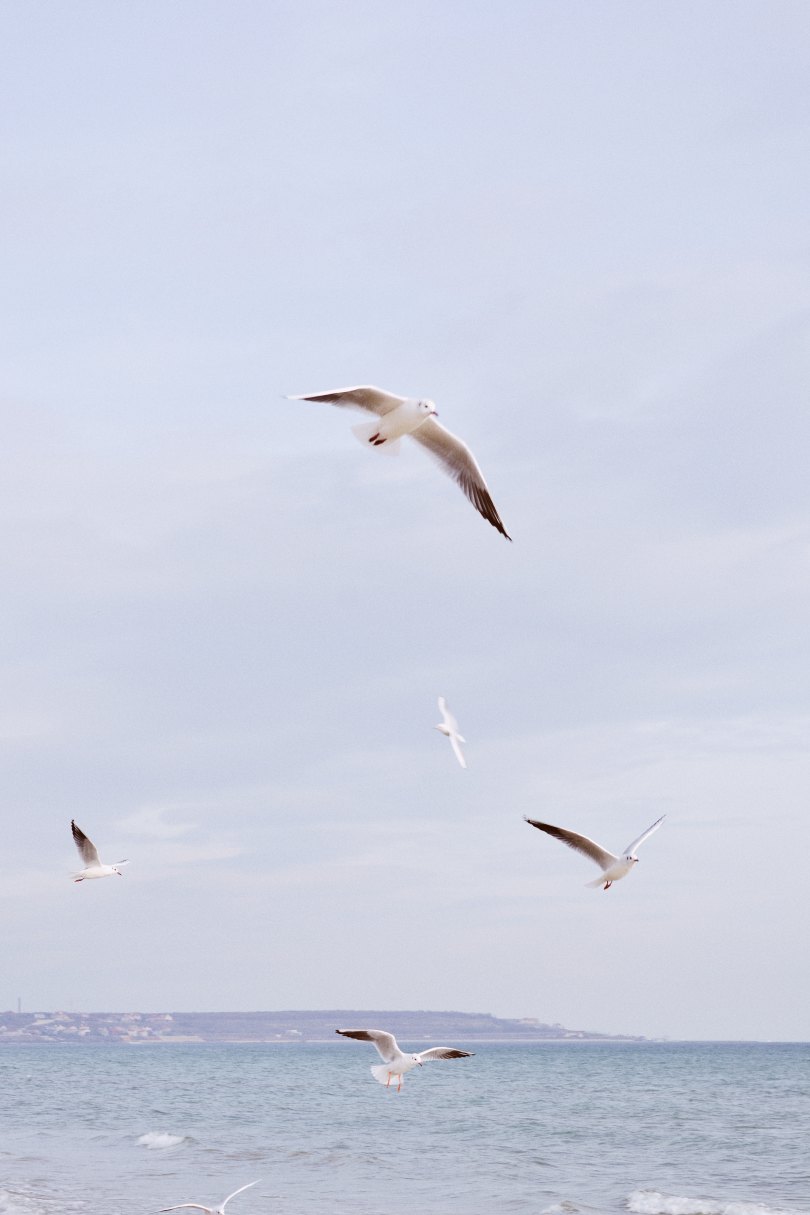
i gabbiani che volteggiavano sulla spiaggia bianca
laggiù. Tutto bello. Tutto immerso in una luce
pura e fredda. Ma poi, al solito, i miei pensieri
hanno cominciato a vagare. Con uno sforzo di volontà
ho cercato di vedere quel che vedevo
e nulla più. Mi sono dovuto dire che era questo
che contava, non le altre cose. (E ci sono riuscito,
per qualche istante!) Per qualche istante
sono riuscito a scacciare i soliti pensieri su
quel che è giusto o sbagliato – il dovere,
i teneri ricordi, i pensieri di morte, come dovrei comportarmi
con la mia ex moglie. Tutte le cose
che speravo sparissero questa mattina.
Le cose con cui convivo ogni giorno. Quel che
ho calpestato per continuare a vivere.
Per qualche istante mi sono distratto
da me stesso e da tutto il resto. Ne sono sicuro.
Perché quando mi sono voltato non sapevo più
dov’ero. Finché alcuni uccelli non si sono alzati
dagli alberi contorti. E sono volati
nella direzione in cui dovevo andare.

(Traduzione di Riccardo Duranti e Francesco Durante)

This Morning

This morning was something. A little snow
lay on the ground. The sun floated in a clear
blue sky. The sea was blue, and blue-green,
as far as the eye could see.
Scarcely a ripple. Calm. I dressed and went
for a walk — determined not to return
until I took in what Nature had to offer.
I passed close to some old, bent-over trees.
Crossed a field strewn with rocks
where snow had drifted. Kept going
until I reached the bluff.
Where I gazed at the sea, and the sky, and
the gulls wheeling over the white beach
far below. All lovely. All bathed in a pure
cold light. But, as usual, my thoughts
began to wander. I had to will
myself to see what I was seeing
and nothing else. I had to tell myself this is what
mattered, not the other. (And I did see it,
for a minute or two!) For a minute or two
it crowded out the usual musings on
what was right, and what was wrong — duty,
tender memories, thoughts of death, how I should treat
with my former wife. All the things
I hoped would go away this morning.
The stuff I live with every day. What
I’ve trampled on in order to stay alive.
But for a minute or two I did forget
myself and everything else. I know I did.
For when I turned back i didn’t know
where I was. Until some birds rose up
from the gnarled trees. And flew
in the direction I needed to be going.

Cos’era, da “Blizzard of One” (1998), Mark Strand

I
Era impossibile da immaginare, impossibile
da non immaginare; la sua azzurrezza, l’ombra che lasciava,
che cadeva, riempiva l’oscurità del proprio freddo,
il suo freddo che cadeva fuori da se stesso, fuori da qualsiasi idea
di sé descrivesse nel cadere; un qualcosa, una minuzia,
una macchia, un punto, un punto in un punto, un abisso infinito
di minuzia; una canzone, ma meno di una canzone, qualcosa che
affoga in sé, qualcosa che va, un’alluvione di suono, ma meno
di un suono; la sua fine, il suo vuoto,
il suo tenero, piccolo vuoto che colma la sua eco, e cade,
e si alza, inavvertito, e cade ancora, e così sempre,
e sempre perché, e solo perché, essendo stato, era…

II
Era l’inizio di una sedia;
era il divano grigio; era i muri,
il giardino, la strada di ghiaia; era il modo in cui
i ruderi di luna le crollavano sulla chioma.
Era quello, ed era altro ancora; era il vento che azzannava
gli alberi; era la congerie confusa di nubi, la bava
di stelle sulla riva. Era l’ora che pareva dire
che se sapevi in che punto esatto del tempo si era, non avresti
mai piu’ chiesto nulla. Era quello. Senz’altro era quello.
Era anche l’evento mai avvenuto – un momento tanto pieno
che quando se ne andò, come doveva, nessun dolore riusciva
a contenerlo. Era la stanza che pareva la stessa
dopo tanti anni. Era quello. Era il cappello
dimenticato da lei, la penna che lei lasciò sul tavolo.
Era il sole sulla mia mano. Era il caldo del sole. Era come
sedevo, come attendevo per ore, per giorni. Era quello. Solo quello.

(Traduzione di Damiano Abeni)

What it was

I
It was impossible to imagine, impossible
Not to imagine; the blueness of it, the shadow it cast,
Falling downward, filling the dark with the chill of itself,
The cold of it falling out of itself, out of whatever idea
Of itself it described as it fell; a something, a smallness,
A dot, a speck, a speck within a speck, an endless depth
Of smallness; a song, but less than a song, something drowning
Into itself, something going, a flood of sound, but less
Than a sound; the last of it, the blank of it,
The tender small blank of it filling its echo, and falling,
And rising unnoticed, and falling again, and always thus,
And always because, and only because, once having been, it was…

II
It was the beginning of a chair;
It was the gray couch; it was the walls,
The garden, the gravel road; it was the way
The ruined moonlight fell across her hair.
It was that, and it was more. It was the wind that tore
At the trees; it was the fuss and clutter of clouds, the shore
Littered with stars. It was the hour which seemed to say
That if you knew what time it really was, you would not
Ask for anything again. It was that. It was certainly that.
It was also what never happened – a moment so full
That when it went, as it had to, no grief was large enough
To contain it. It was the room that appeared unchanged
After so many years. It was that. It was the hat
She’d forgotten to take, the pen she left on the table.
It was the sun on my hand. It was the sun’s heat. It was the way
I sat, the way I waited for hours, for days. It was that. Just that.

Buongiorno – Mezzanotte -, Emily Dickinson

Buongiorno – Mezzanotte –
Sto tornando a Casa –
Il Giorno – si è stancato di Me –
Come potrei Io – di Lui?

La luce del sole era un dolce luogo –
Mi piaceva starci –
Ma il Mattino – non mi voleva – ormai –
Così – Buonanotte – Giorno!

Posso guardare – dai –
Quando è Rosso ad Oriente?
Le Colline – hanno un aspetto – allora –
Che fa traboccare – il Cuore –

Tu – non sei così bella – Mezzanotte –
Io scelsi – il Giorno –
Ma – per favore prendi una Ragazzina –
Che Lui ha cacciato via!

(Traduzione di Giuseppe Ierolli)

Good Morning – Midnight –

Good Morning – Midnight –
I’m coming Home –
Day – got tired of Me –
How could I – of Him?
Sunshine was a sweet place –
I liked to stay –
But Morn – did’nt want me – now –
So – Goodnight – Day!

I can look – cant I –
When the East is Red?
The Hills – have a way – then –
That puts the Heart – abroad –

You – are not so fair – Midnight –
I chose – Day –
But – please take a little Girl –
He turned away!

Oche selvatiche, Mary Oliver

Non devi essere buono.
Non devi trascinarti ginocchioni,
pentito, per cento miglia attraverso il deserto.
Devi soltanto permettere a quel mite animale, al tuo corpo, di amare ciò che ama.
Parlami della tua disperazione, io ti racconterò la mia.
Intanto, il mondo va avanti.
Intanto, il sole e gli splendenti sassolini della pioggia
attraversano i paesaggi,
passano sopra le praterie e gli alberi dalle profonde radici,
sopra le montagne e i fiumi.
Intanto, le oche selvatiche, alte nel limpido azzurro,
fanno nuovamente ritorno a casa.
Chiunque tu sia, per quanto tu possa essere solo,
il mondo si offre alla tua immaginazione,
ti manda il suo richiamo come le oche selvatiche, aspro ed eccitante:
annuncia incessantemente la tua appartenenza
alla famiglia delle cose.

Wild Geese

You do not have to be good.
You do not have to walk on your knees
For a hundred miles through the desert, repenting.
You only have to let the soft animal of your body
love what it loves.
Tell me about despair, yours, and I will tell you mine.
Meanwhile the world goes on.
Meanwhile the sun and the clear pebbles of the rain
are moving across the landscapes,
over the prairies and the deep trees,
the mountains and the rivers.
Meanwhile the wild geese, high in the clean blue air,
are heading home again.
Whoever you are, no matter how lonely,
the world offers itself to your imagination,
calls to you like the wild geese, harsh and exciting —
over and over announcing your place
in the family of things.