Consiglio agli scrittori, da “A vela, in solitaria, attorno alla stanza”, Billy Collins

Anche se ti tiene in piedi per tutta la notte,
lava a fondo le pareti e pulisci i pavimenti
dello studio prima di comporre una sillaba.

Pulisci come se il Papa stesse arrivando.
Il candore è nipote dell’ispirazione.

Più pulisci, più brillante
sarà la tua scrittura, e allora non esitare a prendere
per i campi e a sfregare il fondo
dei sassi o spolverare sui rami più alti
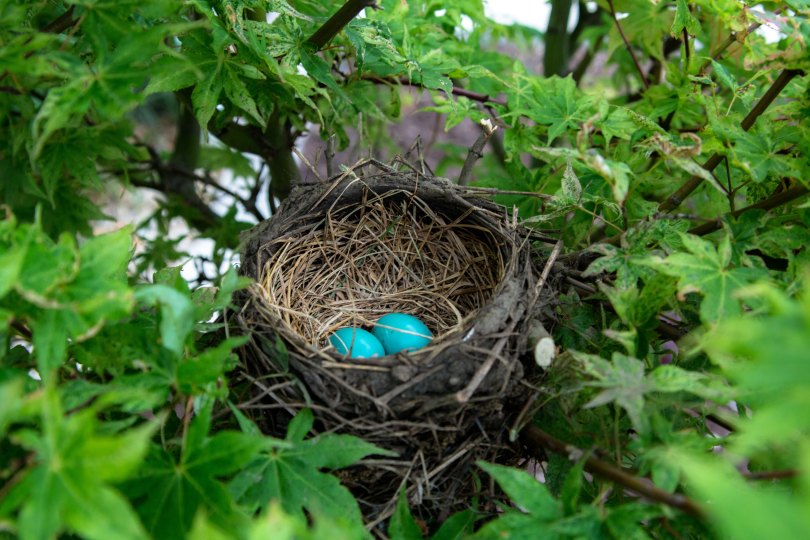
della buia foresta i nidi pieni di uova.

Quando ritroverai la strada di casa
e riporrai spugne e spazzole sotto il lavello
vedrai alla luce dell’alba
l’altare immacolato della tua scrivania,
una superficie pulita al centro di un mondo pulito.

Da un vasetto, azzurro splendente, solleva
una matita gialla, la più appuntita del mazzo,
e ricopri pagine di piccole frasi
come lunghe file di fedeli formiche
che ti hanno seguito fin qui dal bosco.

(Traduzione di Franco Nasi)

Advice to Writers

Even if it keeps you up all night,
wash down the walls and scrub the floor
of your study before composing a syllable.

Clean the place as if the Pope were on his way.
Spotlessness is the niece of inspiration.

The more you clean, the more brilliant
your writing will be, so do not hesitate to take
to the open fields to scour the undersides
of rocks or swab in the dark forest
upper branches, nests full of eggs.

When you find your way back home
and stow the sponges and brushes under the sink,
you will behold in the light of dawn
the immaculate altar of your desk,
a clean surface in the middle of a clean world.

From a small vase, sparkling blue, lift
a yellow pencil, the sharpest of the bouquet,
and cover pages with tiny sentences
like long rows of devoted ants
that followed you in from the woods.

Giura, Konstantinos Kavafis

Giura ogni tanto di volere cominciare una vita migliore.
Ma quando giunge la notte con i suoi consigli,
con i suoi compromessi, le sue lusinghe:
ma quando giunge la notte con l’impeto
del corpo che anela e reclama, allora
perdutamente ritorna a quella stessa gioia fatale.

He swears

He swears every now and then to begin a better life.
But when night comes with its own counsel,
its own compromises and prospects –
when night comes with its own power
of a body that needs and demands,
he goes back, lost, to the same fatal pleasure.

(Translated by Edmund Keeley/Philip Sherrard)

Notte stellata, Anne Sexton

La città non esiste
se non dove un albero dai capelli
neri scivola via, come una donna
annegata nel cielo caldo. Tace,
la città. Bolle la notte, con dieci
e una stella. Oh notte stellata,
stellata notte! È così che voglio
morire.

Si muove. Sono tutti quanti vivi.
Quando la luna rompe le catene
arancioni che la legano e spruzza
bambini dai suoi occhi, come un dio,
il vecchio serpente, senza esser visto
divora le stelle. Oh stellata notte,
notte stellata! È così che voglio
morire:

in questa strisciante bestia notturna,
risucchiata tutta dentro nel grande
drago, separata
dalla mia vita senza una bandiera,
senza pancia
né grido.

The Starry Night

The town does not exist
except where one black-haired tree slips
up like a drowned woman into the hot sky.
The town is silent. The night boils with eleven stars.
Oh starry night! This is how
I want to die.

It moves. They are all alive.
Even the moon bulges in its orange irons
to push children, like a god, from its eye.
The old unseen serpent swallows up the stars.
Oh starry starry night! This is how
I want to die:

into that rushing beast of the night,
sucked up by that great dragon, to split
from my life with no flag,
no belly,
no cry.

_________________________________________

“That does not keep me from having a terrible need of – shall I say the word – religion. Then I go out at night to paint the stars.”
– Vincent Van Gogh in a letter to his brother

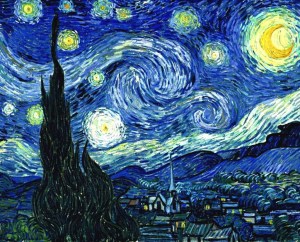
notte stellata Van Gogh
Starry Night – Vincent Van Gogh

Magnificat, da “Poesias de Álvaro de Campos” (1933), Fernando Pessoa

Quando passerà questa notte interna, l’universo,
e io, l’anima mia, avrò il mio giorno?
Quando mi desterò dall’essere desto?
Non so. Il sole brilla alto:
impossibile guardarlo.
Le stelle ammiccano fredde:
impossibile contarle.
Il cuore batte estraneo:
impossibile ascoltarlo.
Quando finirà questo dramma senza teatro,
o questo teatro senza dramma,
e potrò tornare a casa?
Dove? Come? Quando?
Gatto che mi fissi con occhi di vita, chi hai là in fondo?
Si, sì, è lui!
Lui, come Giosuè, farà fermare il sole e io mi sveglierò;
e allora sarà giorno.
Sorridi nel sonno, anima mia!
Sorridi anima mia: sarà giorno!

(Traduzione di Antonio Tabucchi)

Magnificat

Quando é que passará esta noite interna, o universo,
E eu, a minha alma, terei o meu dia?
Quando é que despertarei de estar acordado?
Não sei. O sol brilha alto,
Impossível de fitar.
As estrelas pestanejam frio,
Impossíveis de contar.
O coração pulsa alheio,
Impossível de escutar.
Quando é que passará este drama sem teatro,
Ou este teatro sem drama,
E recolherei a casa?
Onde? Como? Quando?
Gato que me fitas com olhos de vida, Quem tens lá no fundo?
É Esse! É esse!
Esse mandará como Josué parar o sol e eu acordarei;
E então será dia.
Sorri, dormindo, minha alma!
Sorri, minha alma: será dia!

Magnificat

When will this inner night – the universe – end
And I – my soul – have my day?
When will I wake up from being awake?
I don’t know. The sun shines on high
And cannot be looked at.
The stars coldly blink
And cannot be counted.
The heart beats aloofly
And cannot be heard.
When will this drama without theater
– Or this theater without drama – end
So that I can go home?
Where? How? When?
O cat staring at me with eyes of life, Who lurks in your depths?
It’s Him! It’s him!
Like Joshua he’ll order the sun to stop, and I’ll wake up,
And it will be day.
Smile, my soul, in your slumber!
Smile, my soul: it will be day!

(Translation: 2006, Richard Zenith
From: A Little Larger Than the Entire Universe: Selected Poems)

L’eternità, Arthur Rimbaud

È ritrovata.
Che cosa? L’Eternità.
È il mare andato
col sole.

Anima sentinella,
mormoriamo la confessione
della notte così nulla
e del giorno infuocato.

Dagli umani suffragi,
dagli slanci comuni
là ti liberi
e voli dove vuoi.

Poiché soltanto da voi,
o braci di raso,
il dovere si esala
senza che si dica: finalmente.

Là, nessuna speranza,
nessun orietur.
Scienza con pazienza,
il supplizio è sicuro.

È ritrovata.
Che cosa? L’Eternità.
È il mare andato
col sole.

L’eternité

Elle est retrouvée.
Quoi ? – L’Eternité.
C’est la mer allée
Avec le soleil.

Ame sentinelle,
Murmurons l’aveu
De la nuit si nulle
Et du jour en feu.

Des humains suffrages,
Des communs élans
Là tu te dégages
Et voles selon.

Puisque de vous seules,
Braises de satin,
Le Devoir s’exhale
Sans qu’on dise : enfin.

Là pas d’espérance,
Nul orietur.
Science avec patience,
Le supplice est sûr.

Elle est retrouvée.
Quoi ? – L’Eternité.
C’est la mer allée
Avec le soleil.

Vicinanza dell’amata, Johann Wolfgang Goethe

Io penso a te quando dal seno del mare
il sole sorge e i suoi raggi dardeggia;
io penso a te quando al chiarore lunare
l’onda serena biancheggia.

Io penso a te quando sale la polvere
lungo il lontano sentiero
e nella notte oscura, quando al passeggero
sul ponte il cuore balza di paura.

Quando l’onda s’innalza con sordo bisbiglio
posso ascoltare la tua voce;
o nel bosco tranquillo, dove spesso origlio
e ogni cosa è silente in quella luce.

Io ti sono vicino e tu mi sei vicina,
pur sapendo che sei così remota,
mentre il sole tramonta e sorgono le stelle.
Oh tu fossi con me, più bella fra le belle!

Nähe des Geliebten

Ich denke Dein, wenn mir der Sonne Schimmer
Vom Meere strahlt;
Ich denke dein, wenn sich des Mondes Flimmer
In Quellen malt.

Ich sehe dich, wenn auf dem fernen Wege
Der Staub sich hebt;
In tiefer Nacht, wenn auf dem schmalen Stege
Der Wandrer bebt.

Ich höre dich, wenn dort mit dumpfem Rauschen
Die Welle steigt.
Im stillen Haine geh ich oft zu lauschen,
Wenn alles schweigt.

Ich bin bei dir, du seist auch noch so ferne,
Du bist mir nah!
Die Sonne sinkt, bald leuchten mir die Sterne.
O wärst du da!

Giovinezza, Giorno, Vecchiaia e Notte, da “Calamus”, Walt Whitman

Giovinezza, vasta, vigorosa, amante – giovinezza piena
di grazia, forza, fascino,
lo sai che la Vecchiaia può venire dopo di te con eguale
grazia, forza, fascino?

Giorno fiorito appieno e splendido – giorno
dell’immenso sole, azione, ambizione, risa,
la Notte segue da vicino con milioni di soli, il sonno e il
buio che ristora.

(Trad. di Giuseppe Conte)

Youth, Day, 0ld Age and Night

Youth, large, lusty, loving – youth full of grace, force,
fascination,
Do you know that Old Age may come after you with
equal grace, force, fascination?

Day fulI-blown and splendid – day of the immense sun,
action, ambition, laughter,
The Night foIlows close with millions of suns, and sleep
and restoring darkness.

Orizzonte, Fernando Pessoa

Mare anteriore a noi, le tue paure
corallo e spiagge e alberete.
Sbendate la notte e la caligine,
le tormente passate e il mistero
si apriva in fiore la Lontananza, e il Sud siderale
splendeva sulle navi dell’iniziazione.

Linea severa della riva remota –
quando la nave si approssima, s’alza la costa
in alberi ove la Lontananza nulla aveva;
più vicino, s’apre la terra in suoni e colori:
e, allo sbarco, ci sono uccelli, fiori,
ove era solo, di lontano, l’astratta linea.

Il sogno è vedere le forme invisibili
della distanza imprecisa, e, con sensibili
movimenti della speranza e della volontà,
cercare sulla linea fredda dell’ orizzonte
l’albero, la spiaggia, il fiore, l’uccello, la fonte –
i baci meritati della Verità.

(Da “Poesie Scelte” a cura di Luigi Panarese, Passigli Editori 2006)

Horizonte

Ó mar anterior a nós, teus medos
Tinham coral e praias e arvoredos.
Desvendadas a noite e a cerração,
As tormentas passadas e o mistério,
Abria em flor o Longe, e o Sul sidéreo
‘Splendia sobre as naus da iniciaçào.

Linha severa da longínqua costa –
Quando a nau se aproxima, ergue-se a encosta
Em árvores onde o Longe nada tinha;
Mais perto, abre-se a terra em sons e cores:
E, no desembarcar, há aves, flores,
Onde era só, de longe, a abstracta linha.

O sonho é ver as formas invisíveis
Da distancia imprecisa, e, com sensíveis
Movimentos da esp’rança e da vontade,
Buscar na linha fria do horizonte
A árvore, a praia, a flor, a ave, a fonte –
Os beijos merecidos da Verdade.

Ode all’estate, Pablo Neruda

Estate, violino rosso,
nuvola chiara,
un ronzio
di catena montuosa
o di cicala
ti precede,
il cielo
a volta,
liscio, luccicante come
un occhio,
e basso il suo sguardo,
estate,
pesce del cielo
infinito,
elitra lusinghiera,
pigro
letargo
pancino
di ape,
sole indiavolato,
sole terribile e paterno,
sudato
come un bue lavorando,
sole secco
nella testa
come un inaspettato
garrotoazo,
sole della sete
camminando
per la sabbia,
estate,
mare deserto,
il minatore
di zolfo
si riempie
si riempie
di sudore giallo,
l’aviatore
percorre
raggio a raggio
il sole celeste,
sudore
nero
scivola
dalla fronte
agli occhi
nella miniera
di Lota,
il minatore
si stropiccia
la fronte
nera,
ardono
le sementi,
scricchiola
il grano,
insetti
azzurri
cercano
ombra,
toccano
la freschezza,
sommergono
la testa
in un diamante.

Oh estate
abbondante,
carro
di mele
mature,
bocca
di fragola
in mezzo al verde, labbra
di susina selvatica,
strade
di morbida polvere
sopra la polvere,
mezzogiorno,
tamburo
di rame rosso,
e a sera
riposa
il fuoco,
la brezza
fa ballare
il trifoglio, entra
nell’officina deserta;
sale
una stella
fresca
verso il cielo
cupo,
crepita
senza bruciare
la notte
dell’estate.

Oda al verano

Verano, violín rojo,
nube clara,
un zumbido
de sierra
o de cigarra
te precede,
el cielo
abovedado,
liso, luciente como
un ojo,
y bajo su mirada,
verano,
pez del cielo
infinito,
élitro lisonjero,
perezoso
letargo
barriguita
de abeja,
sol endiablado,
sol terrible y paterno,
sudoroso
como un buey trabajando,
sol seco
en la cabeza
como un inesperado
garrotoazo,
sol de la sed
andando
por la arena,
verano,
mar desierto,
el minero
de azufre
se llena
se llena
de sudor amarillo,
el aviador
recorre
rayo a rayo
el sol celeste,
sudor
negro
resbala
de la frente
a los ojos
en la mina
de Lota,
el minero
se restriega
la frente
negra,
arden
las sementeras,
cruje
el trigo,
insectos
azules
buscan
sombra,
tocan
la frescura,
sumergen
la cabeza
en un diamante.

Oh verano
abundante,
carro
de
manzanas
maduras,
boca
de fresa
en la verdura, labios
de ciruela salvaje,
caminos
de suave polvo
encima del polvo,
mediodía,
tambor
de cobre rojo,
y en la tarde
descansa
el fuego,
el aire
hace bailar
el trébol, entra
en la usina desierta,
sube
una estrella
fresca
por el cielo
sombrío,
crepita
sin quemarse
la noche
del verano.

Voi non sapete cos’è l’amore (una serata con Charles Bukowski), Raymond Carver

Voi non lo sapete che cos’è l’amore ha detto Bukowski
Io ho 51 anni guardatemi
sono innamorato di questa pollastrella sono cotto ma anche lei si è fissata
e insomma va bene così è così che deve andare
gli entro nel sangue e non ce la fanno a sbattermi fuori
Le provano tutte per liberarsi di me
però alla fine tornano tutte indietro
Sono tornate tutte fuorché quella che avevo piantato
Ci ho pianto per quella
però in quei giorni piangevo facile
Non datemi da bere roba forte
se no divento cattivo
Posso starmene qui a bere birra
con voi hippies tutta la notte
potrei berne dieci litri di questa birra
e niente come fosse acqua
Ma se tocchiamo la roba forte
mi metto a buttar la gente fuori dalle finestre
butto fuori tutti dalla finestra I’ho già fatto
Ma voi non lo sapete che cos’è l’amore
Non lo sapete perché
non siete mai stati innamorati è chiaro
lo me la faccio con questa pollastrella lei è carina
Mi chiama Bukowski
Bukowski dice con questa vocina
e io dico Che c’è
Ma voi non lo sapete che cos’è l’amore
ve lo dico io che cos’è
ma voi non mi ascoltate
Non ce n’è uno di voi in questa stanza
che potrebbe riconoscere l’amore neanche se si alzasse
e ve lo mettesse nel culo
L’ho sempre pensato che le letture di poesia significano svendersi
Guardatemi ho 51 anni e sono stato in giro
lo so che è svendersi
ma mi dico Bukowski
meglio svendersi che morire di fame –
Insomma eccovi qui e tutto va storto
Quel tizio come si chiama Galway Kinnell
ho visto la foto in una rivista
Ha un bel muso
ma è un professore
Cristo figuratevi
È anche vero che pure voi siete professori
ed ecco che sto già insultandovi
No non ne ho sentito parlare
non ho sentito nemmeno lui
Sono tutti termiti
Sarà il mio ego ma non leggo più molto
ma certa gente che costruisce
reputazioni su cinque o sei libri
termiti
Bukowski dice lei
Perché ascolti musica classica tutto il giorno
Non vi pare di sentirla mentre lo dice
Bukowski perché ascolti musica classica tutto il giorno
E’ sorprendente vero
Non l’avreste mai detto che un brutto bastardo come me
potesse ascoltare musica classica tutto il giorno
Brahms Rachmaninoff Bartok Telemann
Merda quassù non potrei scrivere
C’è troppo silenzio troppi alberi
Mi piace la città quello è il posto per me
metto su la mia musica classica ogni mattina
e mi siedo davanti alla macchina da scrivere
accendo un sigaro e fumo così guardate
e dico Bukowski sei un uomo fortunato
Bukowski l’hai sfangata
e sei un uomo fortunato
e il fumo azzurro galleggia sopra il tavolo
e io guardo fuori dalla finestra su Delongpre Avenue
e vedo la gente che va su e giù per il marciapiede
e tiro dal sigaro così
e poi appoggio il sigaro sul portacenere così
e faccio un respiro profondo
e attacco a scrivere
Bukowski questa sì che è vita dico
va bene esser poveri va bene avere le emorroidi
va bene essere innamorati
Ma voi non lo sapete che roba è
Voi non lo sapete che cosa vuol dire essere innamorati
Se la poteste vedere capireste quello che voglio dire
Lei era convinta che venissi quassù per scopare
Proprio così
Mi ha detto che lo sapeva
Merda ho 51 anni e lei ne ha 25
e siamo innamorati e lei è gelosa
Gesù è bellissimo
ha detto che mi strappava gli occhi se venivo quassù a scopare
Ecco, questo sì che è amore
Ma che cosa ne sapete voi
Lasciate che vi dica una cosa
ho incontrato uomini in galera che avevano più stile
della gente che bazzica i college
e va alle letture di poesia
Sono delle sanguisughe che vengono a vedere
se i calzini del poeta sono sporchi
o se gli puzzano le ascelle
Credetemi io non li deluderò quelli lì
Ma voglio che vi ricordiate questo
c’è solo un poeta in questa stanza stasera
solo un poeta in questa città stasera
forse solo un poeta vero in questa nazione stasera
e quello sono io
Che ne sapete voi della vita
Che ne sapete voi di qualsiasi cosa
Chi fra voi l’hanno mai licenziato da un lavoro
oppure ha mai picchiato la sua donna
oppure è stato mai picchiato dalla sua donna
Io sono stato licenziato cinque volte dalla Sears and Roebuck
Mi licenziavano e poi mi riassumevano di nuovo
facevo il magazziniere da loro a 35 anni
e poi mi hanno sbattuto dentro perché rubavo dolci
So cosa significa ci sono stato
Ora ho 51 anni e sono innamorato
Questa pollastrella lei mi dice
Bukowski
e io dico Che c’è e lei dice
Penso che sei un sacco di merda
e io dico baby tu sì che mi capisci
E’ l’unica al mondo
uomo o donna
che me lo può dire
Ma voi non lo sapete che cos’è l’amore
Tutte quante sono tornate da me alla fine
ognuna di loro è tornata
fuorché quella di cui vi ho detto
quella che avevo piantato
Siamo stati insieme sette anni
Bevevamo un sacco
Vedo un paio di dattilografi in questa stanza ma
non vedo poeti
Non mi sorprende
Bisogna essere stati innamorati per scrivere poesie
e voi non lo sapete che cos’è essere innamorati
ecco il vostro guaio
Datemi un po’ di quella roba
Così va bene niente ghiaccio bene
È buono è proprio lui
Allora cominciamo questa buffonata
So cosa ho detto ma me ne faccio uno solo
Sa di buono
Okay dunque facciamola finita
dopo però nessuno stia vicino
a una finestra aperta

You Don’t Know What Love Is (an evening with Charles Bukowski)

You don’t know what love is Bukowski said
I’m 51 years old look at me
I’m in love with this young broad
I got it bad but she’s hung up too
so it’s all right man that’s the way it should be
I get in their blood and they can’t get me out
They try everything to get away from me
but they all come back in the end
They all came back to me except
the one I planted
I cried over that one
but I cried easy in those days
Don’t let me get onto the hard stuff man
I get mean then
I could sit here and drink beer
with you hippies all night
I could drink ten quarts of this beer
and nothing it’s like water
But let me get onto the hard stuff
and I’ll start throwing people out windows
I’ll throw anybody out the window
I’ve done it
But you don’t know what love is
You don’t know because you’ve never
been in love it’s that simple
I got this young broad see she’s beautiful
She calls me Bukowski
Bukowski she says in this little voice
and I say What
But you don’t know what love is
I’m telling you what it is
but you aren’t listening
There isn’t one of you in this room
would recognize love if it stepped up
and buggered you in the ass
I used to think poetry readings were a copout
Look I’m 51 years old and I’ve been around
I know they’re a copout
but I said to myself Bukowski
starving is even more of a copout
So there you are and nothing is like it should be
That fellow what’s his name Galway Kinnell
I saw his picture in a magazine
He has a handsome mug on him
but he’s a teacher
Christ can you imagine
But then you’re teachers too
here I am insulting you already
No I haven’t heard of him
or him either
They’re all termites
Maybe it’s ego I don’t read much anymore
but these people w! ho build
reputations on five or six books
termites
Bukowski she says
Why do you listen to classical music all day
Can’t you hear her saying that
Bukowski why do you listen to classical music all day
That surprises you doesn’t it
You wouldn’t think a crude bastard like me
could listen to classical music all day
Brahms Rachmaninoff Bartok Telemann
Shit I couldn’t write up here
Too quiet up here too many trees
I like the city that’s the place for me
I put on my classical music each morning
and sit down in front of my typewriter
I light a cigar and I smoke it like this see
and I say Bukowski you’re a lucky man
Bukowski you’ve gone through it all
and you’re a lucky man
and the blue smoke drifts across the table
and I look out the window onto Delongpre Avenue
and I see people walking up and down the sidewalk
and I puff on the cigar like this
and then I lay the cigar in the ashtray like this and take a deep breath
and I begin to write
Bukowski this is the life I say
it’s good to be poor it’s good to have hemorrhoids
it’s good to be in love
But you don’t know what it’s like
You don’t know what it’s like to be in love
If you could see her you’d know what I mean
She thought I’d come up here and get laid
She just knew it
She told me she knew it
Shit I’m 51 years old and she’s 25
and we’re in love and she’s jealous
Jesus it’s beautiful
she said she’d claw my eyes out if I came up here
and got laid
Now that’s love for you
What do any of you know about it
Let me tell you something
I’ve met men in jail who had more style
than the people who hang around colleges
and go to poetry readings
They’re bloodsuckers who come to see
if the poet’s socks are dirty
or if he smells under the arms
Believe me I won’t disappoint em
But I want you to remember this
there’s only one poet in this room tonight
only one poet in this town tonight
maybe only one real poet in this country tonight
and that’s me
What do any of you know about life
What do any of you know about anything
Which of you here has been fired from a job
or else has beaten up your broad
or else has been beaten up by your broad
I was fired from Sears and Roebuck five times
They’d fire me then hire me back again
I was a stockboy for them when I was 35
and then got canned for stealing cookies
I know what’s it like I’ve been there
I’m 51 years old now and I’m in love
This little broad she says
Bukowski
and I say What and she says
I think you’re full of shit
and I say baby you understand me
She’s the only broad in the world
man or woman
I’d take that from
But you don’t know what love is
They all came back to me in the end too
every one of em came back
except that one I told you about
the one I planted We were together seven years
We used to drink a lot
I see a couple of typers in this room but
I don’t see any poets
I’m not surprised
You have to have been in love to write poetry
and you don’t know what it is to be in love
that’s your trouble
Give me some of that stuff
That’s right no ice good
That’s good that’s just fine
So let’s get this show on the road
I know what I said but I’ll have just one
That tastes good
Okay then let’s go let’s get this over with
only afterwards don’t anyone stand close
to an open window

________________________________
In questo monologo ironico Carver s’impossessa della voce di Bukowski e ne offre uno spietato e realistico ritratto.
“… Carver spiegò di aver usato frasi prese direttamente da Bukowski in occasione della sua visita a Santa Cruz, compresa una sfilza di insulti contro le “termiti” e le “sanguisughe”, la gente che bazzica i college / e va alle letture di poesia.”
Da un estratto della biografia: “Raymond Carver. Una vita da scrittore” di Carol Sklenicka su Affaritaliani.it