Voglio ignorato, e calmo, Fernando Pessoa

Voglio ignorato, e calmo
perchè ignorato, e proprio
perchè calmo, riempire i miei giorni
di non volere altro da essi.

A quelli che la ricchezza tocca
l’oro irrita la pelle.
A quelli che la fama seconda
s’appanna la vita.

A quelli cui la felicità
è sole, verrà la notte.
Ma  a chi nulla spera
tutto ciò che viene è gradito.

(Da “Poesie scelte” Fernando Pessoa – Passigli Editori – Traduzione Luigi Panarese)

Quero ignorado, e calmo

Quero ignorado, e calmo
Por ignorado, e próprio
Por calmo, encher meus dias
De não querer mais deles.

Aos que a riqueza toca
O ouro irrita a pele.
Aos que a fama bafeja
Embacia-se a vida.

Aos que a felicidade
É sol, virá a noite.
Mas ao que nada espera
Tudo que vem é grato.

Voi sapete e io so e tu sai, da “The Last Night of the Earth Poems”, Charles Bukowski

Voi sapete e io so e tu sai
che quando la tendina gialla si strappa
quando il gatto balza inferocito
quando il vecchio barista si appoggia al bancone
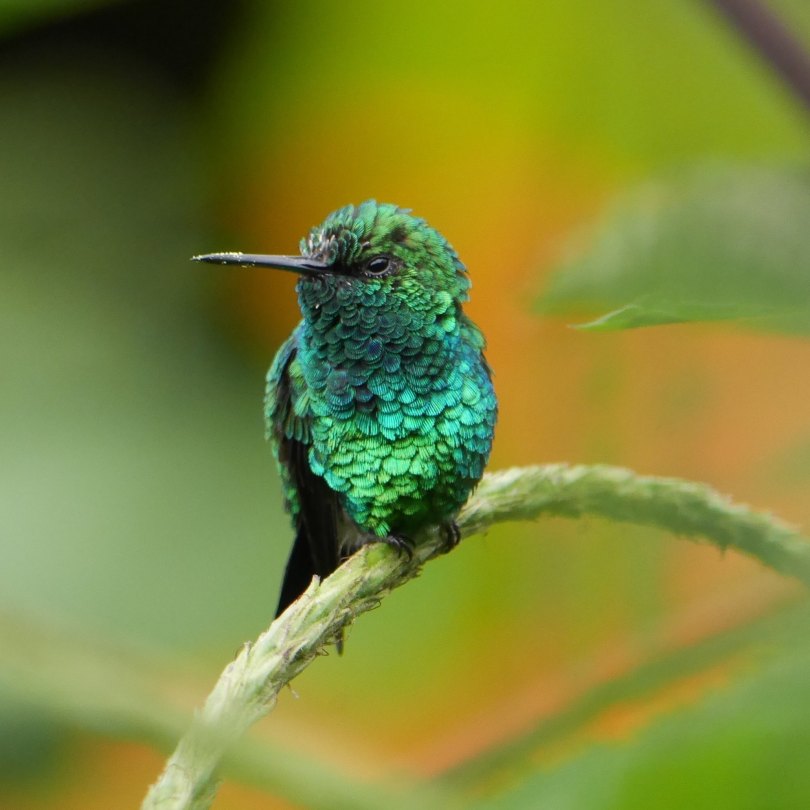
quando il colibrì dorme
voi sapete e io so e tu sai
quando i carri armati si esercitano su finti campi di battaglia
quando lasci correre le gomme in autostrada
quando il nano ubriaco di bourbon a buon mercato la notte
piange solo
quando i tori vengono allevati con cura per i matador
quando l’erba ti guarda e gli alberi ti guardano
quando il mare racchiude creature immense e vere
voi sapete e io so e tu sai
la tristezza e la gloria di due pantofole sotto un letto
la danza del tuo cuore che balla col tuo sangue
le fanciulle amorose che prima o poi odieranno gli specchi
fare gli straordinari all’inferno
pranzare con un’insalata andata a male
voi sapete e io so e tu sai
la fine per come la conosciamo adesso
sembra uno squallido imbroglio dopo una squallida agonia ma
voi sapete e io so e tu sai
la gioia che a volte spunta da non si sa dove
sorgendo come un falco che vaga nell’impossibilità
voi sapete e io so e tu sai
la strabica pazzia dell’euforia assoluta
sappiamo che alla fine non siamo stati truffati
voi sapete e io so e tu sai
quando guardiamo le nostre mani i nostri piedi le nostre vite
-la nostra strada
il colibrì addormentato
la morte assassinata dagli eserciti
il sole che ti mangia mentre lo guardi
voi sapete e io so e tu sai
sconfiggeremo la morte.

You Know and I Know and Thee Know

that as the yellow shade rips
as the cat leaps wild-eyed
as the old bartender leans on the wood
as the hummingbird sleeps

you know and I know and thee know

as the tanks practice on false battlefields
as your tires work the freeway
as the midget drunk on cheap bourbon cries alone at night
as the bulls are carefully bred for the matadors
as the grass watches you
and the trees watch you
as the sea holds creatures vast and true

you know and I know and thee know

the sadness and the glory of two slippers under a bed
the ballet of your heart dancing with your blood
young girls of love who will someday hate their mirrors
overtime in hell
lunch with sick salad

you know and I know and thee know

the end as we know it now it seems such a lousy trick
after the lousy agony but

you know and I know and thee know

the joy that sometimes comes along out of nowhere
rising like a falcon moon across the impossibility

you know and I know and thee know

the cross-eyed craziness of total elation
we know we finally have not been cheated

you know and I know and thee know

as we look at our hands our feet our lives our way
the sleeping hummingbird
the murdered dead of armies
the sun that eats you as you face it

you know and I know and thee know

we will defeat death.

Dolce luce, da “Orientarsi con le stelle”, Raymond Carver

Dopo l’inverno dolorante e cupo,
sono rifiorito qui a primavera. Una dolce luce

ha preso a riempirmi il petto. Ho portato fuori
una sedia. Sono rimasto seduto per ore davanti al mare.

Ho ascoltato i segnali della boa e ho appreso
la differenza che passa tra una campana

e il suono di una campana. Ho deciso di gettarmi
tutto alle spalle. Ho perfino deciso

di diventare disumano. E ci sono riuscito.
Lo so che ci sono riuscito. (Ve lo confermerà anche lei.)

Ricordo ancora quando ho sbattuto il coperchio
sui ricordi e ho tirato il catenaccio.

Rinchiudendoli per sempre.
Nessuno sa che cosa m’è successo

quaggiù, o mare. Solo io e te.
Di notte, le nuvole nascondono la luna.

Al mattino non ci sono più. E quella dolce luce
che v’ho detto? Anche quella non c’è più.

(Traduzione di Riccardo Duranti e Francesco Durante)

Sweet Light

After the winter, grieving and dull,
I flourished here all spring. Sweet light

began to fill my chest. I pulled up
a chair. Sat for hours in front of the sea.

Listened to the buoy and learned
to tell the difference between a bell

and the sound of a bell. I wanted
everything behind me. I even wanted

to become inhuman. And I did that.
I know I did. (She’ll back me up on this.)

I remember the morning I closed the lid
on memory and turned the handle.

Locking it away forever.
Nobody knows what happened to me

out here, sea. Only you and I know.
At night, clouds form in front of the moon.

By morning they’re gone. And that sweet light
I spoke of? That’s gone too.


Stella, da”Mappa del nuovo mondo”, Derek Walcott

Se, alla luce delle cose tu scolori
vera, eppure debolmente sottratta
alla nostra determinata e giusta
distanza, come la luna lasciata accesa
tutta la notte tra le foglie, possa
tu invisibilmente allietare questa casa;
o stella, doppiamente compassionevole, venuta
troppo presto per il crepuscolo, troppo tardi
per l’alba, possa la tua pallida fiamma
dirigere il peggio in noi
attraverso il caos
con la passione del
semplice giorno.

Star

If, in the light of things, you fade
real, yet wanly withdrawn
to our determined and appropriate
distance, like the moon left on
all night among the leaves, may
you invisibly delight this house;
O star, doubly compassionate, who came
too soon for twilight, too late
for dawn, may your pale flame
direct the worst in us
through chaos
with the passion of
plain day.

From The Gulf and Other Poems (1969)

Spleen, da “I fiori del male”, Charles Baudelaire

Quando il cielo discende greve come un coperchio
sull’anima che geme stretta da noia amara,
e dell’ultimo orizzonte stringendo tutto il cerchio
ci versa un giorno cupo più di una notte nera,

quando la terra è fatta un’umida segreta,
entro cui la Speranza, pipistrello smarrito,
con le sue timide ali sbatte sulle pareti,
e va urtando la testa sul soffitto marcito,

quando la pioggia spiega le sue immense strisce
imitando le sbarre d’un carcere imponente,
e un popolo di ragni, silenzioso e viscido,
tende le sue reti in fondo a queste menti,

d’improvviso campane esplodono furiose,
lanciando verso il cielo un grido tremendo,
come anime che, erranti, senza patria, pietose
mandino un inatteso, ostinato, lamento.

– Funebri cortei, senza la musica e i tamburi
lenti solcano l’anima. La Speranza, lo sguardo
vinto, piange, e l’Angoscia, che dispotica e dura,
sul mio capo già cinto pianta ora il suo stendardo.

(Traduzione di Antonio Prete)

Spleen – LXXVIII

Quand le ciel bas et lourd pèse comme un couvercle
Sur l’esprit gémissant en proie aux longs ennuis,
Et que de l’horizon embrassant tout le cercle
Il nous verse un jour noir plus triste que les nuits;

Quand la terre est changée en un cachot humide,
Où l’Espérance, comme une chauve-souris,
S’en va battant les murs de son aile timide
Et se cognant la tête à des plafonds pourris;

Quand la pluie étalant ses immenses traînées
D’une vaste prison imite les barreaux,
Et qu’un peuple muet d’infâmes araignées
Vient tendre ses filets au fond de nos cerveaux,

Des cloches tout à coup sautent avec furie
Et lancent vers le ciel un affreux hurlement,
Ainsi que des esprits errants et sans patrie
Qui se mettent à geindre opiniâtrément.

– Et de longs corbillards, sans tambours ni musique,
Défilent lentement dans mon âme; l’Espoir,
Vaincu, pleure, et l’Angoisse atroce, despotique,
Sur mon crâne incliné plante son drapeau noir.

Spleen

When the low, heavy sky weighs like a lid
On the groaning spirit, victim of long ennui,
And from the all-encircling horizon
Spreads over us a day gloomier than the night;

When the earth is changed into a humid dungeon,
In which Hope like a bat
Goes beating the walls with her timid wings
And knocking her head against the rotten ceiling;

When the rain stretching out its endless train
Imitates the bars of a vast prison
And a silent horde of loathsome spiders
Comes to spin their webs in the depths of our brains,

All at once the bells leap with rage
And hurl a frightful roar at heaven,
Even as wandering spirits with no country
Burst into a stubborn, whimpering cry.

— And without drums or music, long hearses
Pass by slowly in my soul; Hope, vanquished,
Weeps, and atrocious, despotic Anguish
On my bowed skull plants her black flag.

(William Aggeler, The Flowers of Evil – Fresno, CA: Academy Library Guild, 1954)

Amore a prima vista, da “Collected and Last Poems”, Wislawa Szymborska

Sono entrambi convinti
che un sentimento improvviso li unì.
E’ bella una tale certezza
ma l’incertezza è più bella.

Non conoscendosi prima, credono
che non sia mai successo nulla fra loro.
Ma che ne pensano le strade, le scale, i corridoi
dove da tempo potevano incrociarsi?

Vorrei chiedere loro
se non ricordano –
una volta un faccia a faccia
forse in una porta girevole?
uno “scusi” nella ressa?
un “ha sbagliato numero” nella cornetta?
– ma conosco la risposta.
No, non ricordano.

Li stupirebbe molto sapere
che già da parecchio
il caso stava giocando con loro.

Non ancora del tutto pronto
a mutarsi per loro in destino,
li avvicinava, li allontanava,
gli tagliava la strada
e soffocando un risolino
si scansava con un salto.

Vi furono segni, segnali,
che importa se indecifrabili.
Forse tre anni fa
o il martedì scorso
una fogliolina volò via
da una spalla all’altra?
Qualcosa fu perduto e qualcosa raccolto.
Chissà, era forse la palla
tra i cespugli dell’infanzia?

Vi furono maniglie e campanelli
in cui anzitempo
un tocco si posava sopra un tocco.
Valigie accostate nel deposito bagagli.
Una notte, forse, lo stesso sogno,
subito confuso al risveglio.

Ogni inizio infatti
è solo un seguito
e il libro degli eventi
è sempre aperto a metà.

(Traduzione di Pietro Marchesani)

Love at First Sight

They’re both convinced
that a sudden passion joined them.
Such certainty is beautiful,
but uncertainty is more beautiful still.

Since they’d never met before, they’re sure
that there’d been nothing between them.
But what’s the word from the streets, staircases, hallways—
perhaps they’ve passed by each other a million times?

I want to ask them
if they don’t remember—
a moment face to face
in some revolving door?
perhaps a “sorry” muttered in a crowd?
a curt “wrong number” caught in the receiver?—
but I know the answer.
No, they don’t remember.

They’d be amazed to hear
that Chance has been toying with them
now for years.

Not quite ready yet
to become their Destiny,
it pushed them close, drove them apart,
it barred their path,
stifling a laugh,
and then leaped aside.

There were signs and signals,
even if they couldn’t read them yet.
Perhaps three years ago
or just last Tuesday
a certain leaf fluttered
from one shoulder to another?
Something was dropped and then picked up.
Who knows, maybe the ball that vanished
into childhood’s thicket?

There were doorknobs and doorbells
where one touch had covered another
beforehand.
Suitcases checked and standing side by side.
One night, perhaps, the same dream,
grown hazy by morning.

Every beginning
is only a sequel, after all,
and the book of events
is always open halfway through.

(Translated from Polish by Clare Cavanagh and Stanislaw Baranczak)

Il ramo rubato, da “Los versos del Capitán”, Pablo Neruda

Nella notte entreremo
a rubare
un ramo fiorito.

Passeremo il muro,
nelle tenebre del giardino altrui,
due ombre nell’ombra.

Ancora non se n’é andato l’inverno,
e il melo appare
trasformato d’improvviso
in cascata di stelle odorose.
Nella notte entreremo
fino al suo tremulo firmamento,
e le tue piccole mani e le mie
ruberanno le stelle.

E cautamente
nella nostra casa,
nella notte e nell’ombra,
entrerà con i tuoi passi
il silenzioso passo del profumo
e con i piedi stellati
il corpo chiaro della Primavera.

La rama robada

En la noche entraremos
a robar
una rama florida.

Pasaremos el muro,
en las tinieblas del jardín ajeno,
dos sombras en la sombra.

Aún no se fue el invierno,
y el manzano aparece
convertido de pronto
en cascada de estrellas olorosas.
En la noche entraremos
hasta su tembloroso firmamento,
y tus pequeñas manos y las mías
robarán las estrellas.

Y sigilosamente,
a nuestra casa,
en la noche y en la sombra,
entrará con tus pasos
el silencioso paso del perfume
y con pies estrellados
el cuerpo claro de la primavera.

The Stolen Branch

In the night we shall go in
to steal
a flowering branch.

We shall climb over the wall
in the darkness of the alien garden,
two shadows in the shadow.

Winter is not yet gone,
and the apple tree appears
suddenly changed
into a cascade of fragrant stars.

In the night we shall go in
up to its trembling firmament,
and your little hands and mine
will steal the stars.

And silently,
to our house,
in the night and the shadow,
with your steps will enter
perfume’s silent step
and with starry feet
the clear body of spring.

Tu non sai, da “L’anima innamorata”, Alda Merini

Tu non sai:
ci sono betulle che di notte
levano le loro radici
e tu non crederesti
mai che di notte gli alberi
camminano o diventano sogni.
Pensa che in un albero
c’è un violino d’amore.
Pensa che un albero
canta e ride.
Pensa che un albero
sta in un crepaccio
e poi diventa vita.
Te l’ho già detto:
i poeti non si redimono,
vanno lasciati volare
tra gli alberi
come usignoli
pronti a morire.

Giovane, da “All My Pretty Ones”, Anne Sexton

Mille porte fa
quando ero una ragazzina solitaria
in un’enorme casa con quattro
garage e se ben ricordo
era estate,
di notte mi sdraiavo in giardino,
il trifoglio raggrinzito sotto di me,
le sagge stelle distese sopra di me,
la finestra di mia madre un imbuto
da cui usciva un calore giallo,
la finestra di mio padre, socchiusa,
un occhio dove passa chi dorme,
e le assi della casa
erano lisce e bianche come cera
e probabilmente milioni di foglie
navigavano come vele sui loro strani gambi
mentre i grilli ticchettavano all’unisono
e io, nel mio corpo nuovo di zecca,
non ancora di donna,
facevo domande alle stelle
e credevo che Dio potesse veramente vedere
il calore e la luce colorata,
i gomiti, le ginocchia, i sogni, la buonanotte.

Young

A thousand doors ago,
when I was a lonely kid
in a big house with four
garages and it was summer
as long as I could remember,
I lay on the lawn at night,
clover wrinkling under me,
the wise stars bedding over me,
my mother’s window a funnel
of yellow heat running out,
my father’s window, half shut,
an eye where sleepers pass,
and the boards of the house
were smooth and white as wax
and probably a million leaves
sailed on their strange stalks
as the crickets ticked together
and I, in my brand new body,
which was not a woman’s yet,
told the stars my questions
and thought God could really see
the heat and the painted light,
elbows, knees, dreams, goodnight.

Il viaggio, Mary Oliver

Un giorno, finalmente, hai capito
quel che dovevi fare, e hai cominciato,
anche se le voci intorno a te
continuavano a gridare
i loro cattivi consigli –
anche se la casa intera
si era messa a tremare
e sentissi le vecchie catene
tirarti le caviglie.
“Sistema la mia vita!”,
gridava ogni voce.
Ma non ti fermasti.
Sapevi quel che andava fatto,
anche se il vento frugava
con le sue dita rigide
giù fino alle fondamenta,
anche se la loro malinconia
era terribile.
Era già piuttosto tardi,
una notte tempestosa,
la strada era piena di sassi e rami spezzati.
Ma poco a poco,
mentre ti lasciavi alle spalle le loro voci,
le stelle si sono messe a brillare
attraverso gli strati di nubi
e poi c’era una nuova voce
che pian piano
hai riconosciuto come la tua,
che ti teneva compagnia
mentre procedevi a grandi passi,
sempre più nel mondo,
determinata a fare
l’unica cosa che potevi fare –
determinata a salvare
l’unica vita che potevi salvare.

The Journey

One day you finally knew
what you had to do, and began,
though the voices around you
kept shouting
their bad advice —
though the whole house
began to tremble
and you felt the old tug
at your ankles.
“Mend my life!”
each voice cried.
But you didn’t stop.
You knew what you had to do,
though the wind pried
with its stiff fingers
at the very foundations,
though their melancholy
was terrible.
It was already late
enough, and a wild night,
and the road full of fallen
branches and stones.
But little by little,
as you left their voices behind,
the stars began to burn
through the sheets of clouds,
and there was a new voice
which you slowly
recognized as your own,
that kept you company
as you strode deeper and deeper
into the world,
determined to do
the only thing you could do —
determined to save
the only life you could save.