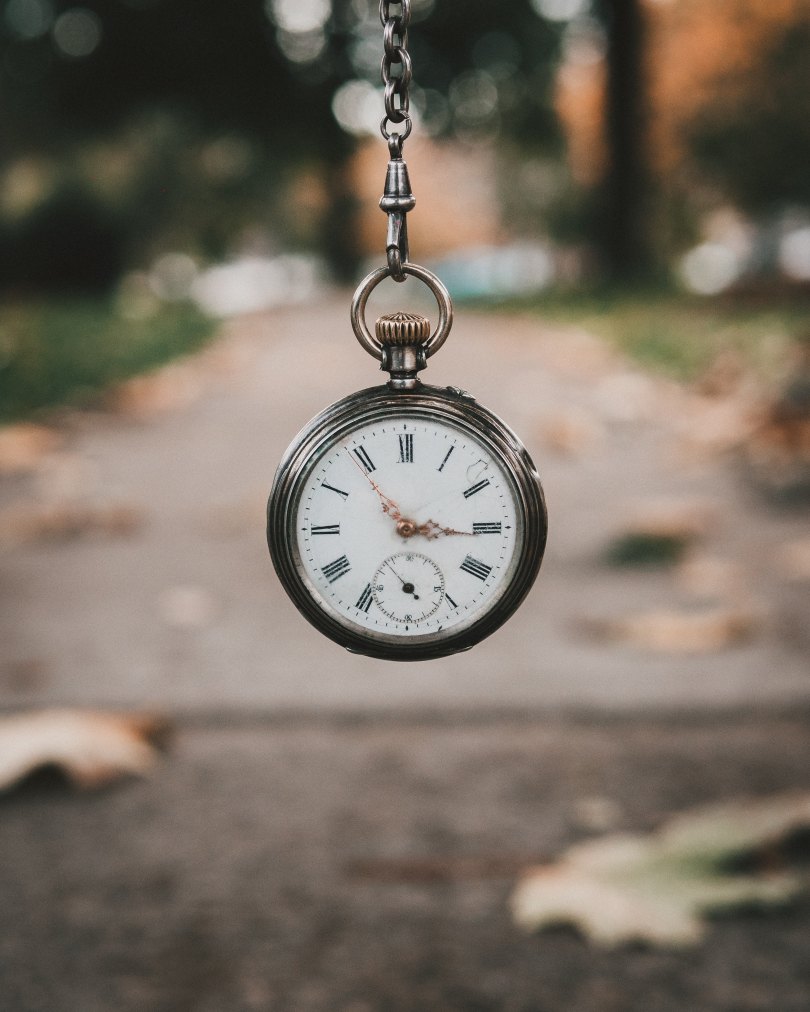
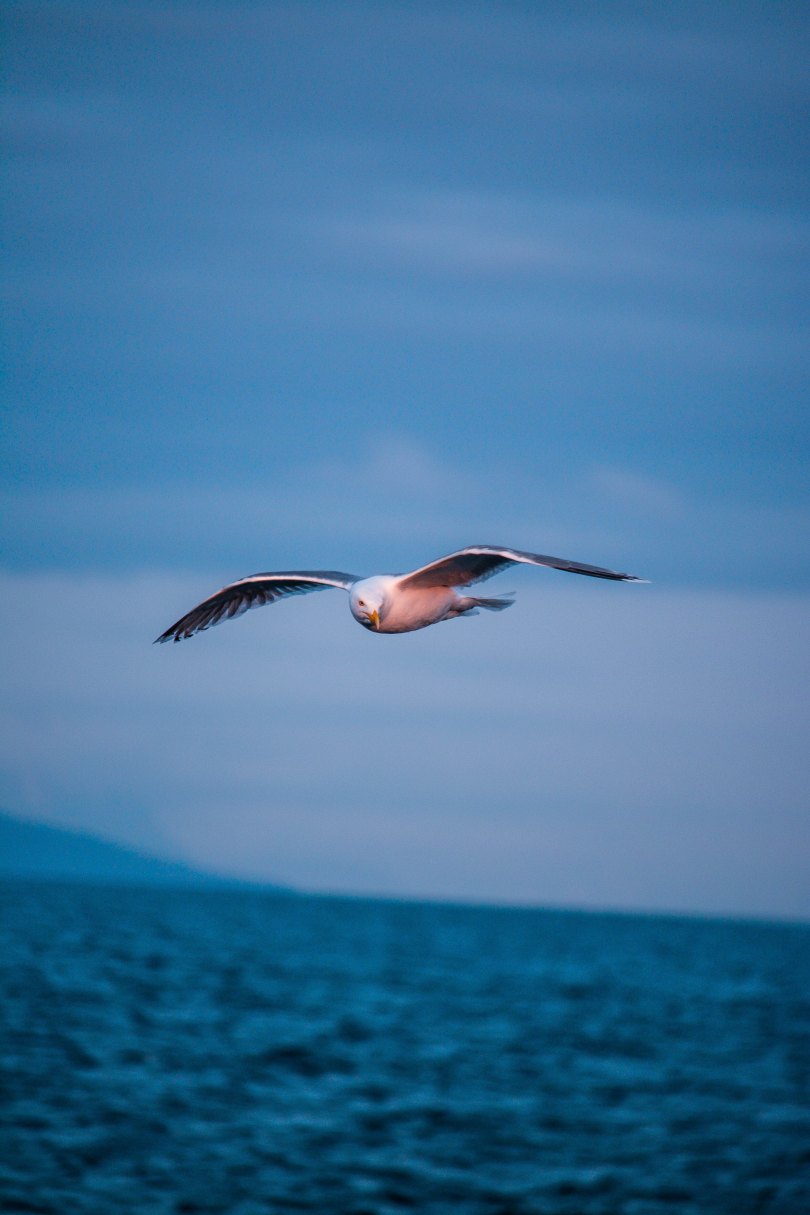
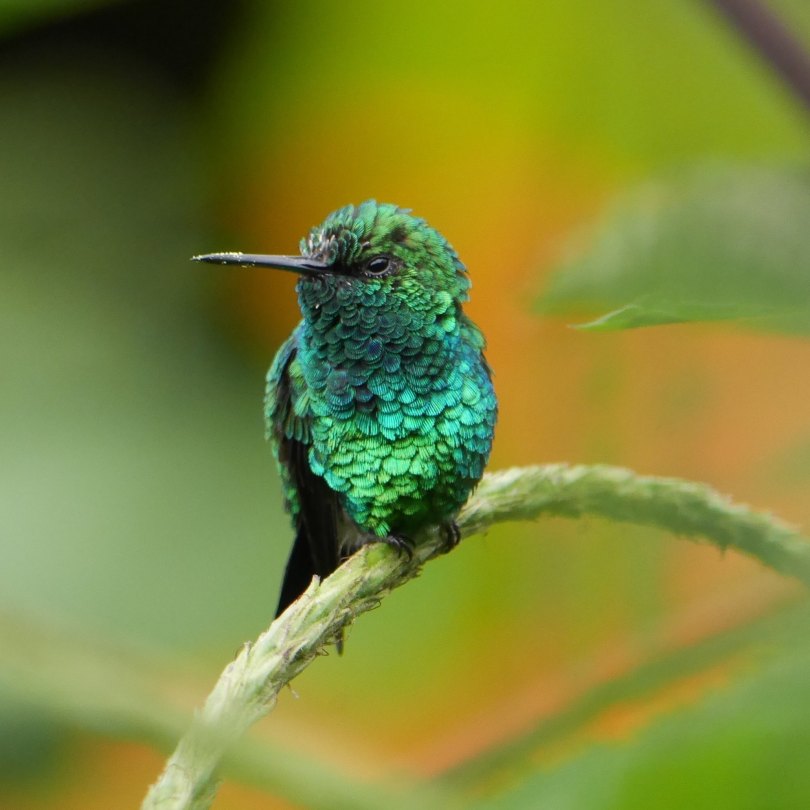
Nessun uomo è un’isola, John Donne

Nessun uomo è un’isola, completo in se stesso; ogni uomo è un pezzo del continente, una parte del tutto. Se anche solo una zolla venisse lavata via dal mare, l’Europa ne sarebbe diminuita, come se le mancasse un promontorio, come se venisse a mancare una dimora di amici tuoi, o la tua stessa casa. La morte di qualsiasi uomo mi sminuisce, perché io sono parte dell’umanità.
E dunque non chiedere mai per chi suona la campana: suona per te.

Da Meditazione XVII
in “Devozioni per occasioni d’emergenza”  Editori Riuniti, Roma, 1994

No Man is an Island

“No man is an island, entire of itself; every man is a piece of the continent, a part of the main. If a clod be washed away by the sea, Europe is the less, as well as if a promontory were, as well as if a manor of thy friend’s or of thine own were; any man’s death diminishes me, because I am involved in mankind; and therefore never send to know for whom the bells tolls; it tolls for thee.”

Il miscredente da “Miracolo a colazione” (2006), Elizabeth Bishop

Dorme sulla cima dell’albero maestro.
Bunyan

Dorme sulla cima dell’albero maestro
con gli occhi serrati.
Sotto di lui si sciolgono le vele
come le lenzuola del suo letto, esponendo
all’aria notturna la testa del dormiente.

Trasportato lassù nel sonno,
nel sonno s’è raccolto
in una palla d’oro in cima all’albero,
o si è arrampicato dentro un uccello d’oro,
o alla cieca s’è seduto a cavalcioni.

“Ho pilastri di marmo a fondamenta”
ha detto una nube. “Non mi sposto mai.
Vedi i pilastri là nel mare?”.
Sicuro nell’introspezione adesso
scruta i liquidi pilastri del proprio riflesso.

Un gabbiano, le ali sotto le sue,
ha osservato che l’aria
“sembrava marmo”. Lui ha risposto “Quassù
torreggio per il cielo perché le ali
di marmo in cima alla mia torretta volano”.

Ma dorme sulla cima del suo albero maestro
con gli occhi sigillati.
Il gabbiano ha frugato nel suo sogno
che era: “Non devo finire tra i flutti.
Il mare luccicante mi vuole tra i suoi flutti.
È duro come il diamante; vuol distruggerci tutti”.

(Traduzione di D. Abeni, R. Duranti, O. Fatica)

The Unbeliever

He sleeps on the top of a mast.
Bunyan

He sleeps on the top of a mast
with his eyes fast closed.
The sails fall away below him
like the sheets of his bed,
leaving out in the air of the night the sleeper’s.

Asleep he was transported there,
asleep he curled
in a gilded ball on the mast’s top,
or climbed inside
a gilded bird, or blindly seated himself astride.

“I am founded on marble pillars”,
said a cloud. “I never move.
See the pillars there in the sea?”.
Secure in introspection
he peers at the watery pillars of his reflection.

A gull had wings under his
and remarked that the air
was “like marble”. He said: “Up here
I tower through the sky
for the marble wings on my tower-top fly”.

But he sleeps on the top of his mast
with his eyes closed tight.
The gull inquired into his dream,
which was, “I must not fall.
The spangled sea below wants me to fall.
It is hard as diamonds; it wants to destroy us all”.

Siamo il tempo, da “Los conjurados” (1985), Jorge Luis Borges

Siamo il tempo. Siamo la famosa
parabola di Eraclito l’Oscuro.
Siamo l’acqua, non il diamante duro,
che si perde, non quella che riposa.

Siamo il fiume e siamo anche quel greco
che si guarda nel fiume. Il suo riflesso
muta nell’acqua del cangiante specchio,
nel cristallo che muta come il fuoco.

Noi siamo il vano fiume prefissato,
dritto al suo mare. L’ombra l’ha accerchiato.
Tutto ci disse addio, tutto svanisce.

La memoria non conia più monete.
E tuttavia qualcosa c’è che resta
E tuttavia qualcosa c’è che geme.

Son los ríos

Somos el tiempo. Somos la famosa
parábola de Heráclito el Oscuro.
Somos el agua, no el diamante duro,
la que se pierde, no la que reposa.

Somos el río y somos aquel griego
que se mira en el río. Su reflejo
cambia en el agua del cambiante espejo,
en el cristal que cambia como el fuego.

Somos el vano río prefijado,
rumbo a su mar. La sombra lo ha cercado.
Todo nos dijo adiós, todo se aleja.

La memoria no acuña su moneda.
Y sin embargo hay algo que se queda
y sin embargo hay algo que se queja.

We are the time

We are the time. We are the famous
metaphor from Heraclitus the Obscure.
We are the water, not the hard diamond,
the one that is lost, not the one that stands still.

We are the river and we are that greek
that looks himself into the river. His reflection
changes into the waters of the changing mirror,
into the crystal that changes like the fire.

We are the vain predetermined river,
in his travel to his sea.
The shadows have surrounded him.
Everything said goodbye to us, everything goes away.

Memory does not stamp his own coin.
However, there is something that stays
however, there is something that bemoans.

Ho lasciato tutto per te, da “Roma, pericolo per i viandanti” (2000), Rafael Alberti

Lasciai per te i miei boschi, la tradita
fila d’ alberi, i cani vigilanti,
e gli anni dell’ esilio più importanti
fino a quasi l’ inverno della vita.

Lasciai un sussulto, lasciai un tremolio,
un fulgore di fuochi non smorzati,
e l’ ombra mia lasciai nei disperati
occhi che sanguinavano all’addio.

Lasciai colombe tristi accanto al rio,
cavalli sotto il sole delle arene,
senza odore del mar, senza vederti.

Lasciai per te tutto ciò che era mio.
Dammi tu, Roma, in cambio delle pene
tutto ciò che ho lasciato per averti.

(Traduzione di Vittorio Bodini)

Lo que dejé por ti

Dejé por ti mis bosques, mi perdida
arboleda, mis perros desvelados,
mis capitales años desterrados
hasta casi el invierno de la vida.

Dejé un temblor, dejé una sacudida,
un resplandor de fuegos no apagados,
dejé mi sombra en los desesperados
ojos sangrantes de la despedida.

Dejé palomas tristes junto a un río,
caballos sobre el sol de las arenas,
dejé de oler la mar, dejé de verte.

Dejé por ti todo lo que era mío.
Dame tú, Roma, a cambio de mis penas,
tanto como dejé para tenerte.

Abbastanza, da “Collected Poems” (1937), Sara Teasdale

È abbastanza per me di giorno
Camminare sulla stessa terra luminosa con lui;
Abbastanza che su di noi di notte
Lo stesso grande tetto di stelle sia buio.

Non ho alcuna cura di legare il vento
O posare un ostacolo sul mare –
È abbastanza sentire il suo amore
Che soffia come musica su di me.

Enough

It is enough for me by day
To walk the same bright earth with him;
Enough that over us by night
The same great roof of stars is dim.

I have no care to bind the wind
Or set a fetter on the sea –
It is enough to feel his love
Blow by like music over me.

E’ un posto nel sud, da “Bianco nel bianco” (1984), Eugénio De Andrade

È un posto nel sud, un posto dove
la calce
si solleva a sfidare lo sguardo.

Dove hai vissuto. Dove a volte nei sogni
ancora vivi. Il nome impregnato d’acqua
trasuda nella tua bocca.

Sui sentieri delle capre scendevi
alla spiaggia, il mare sferzava
quelle scogliere, quelle sillabe.

Gli occhi si perdevano annegando
nel chiarore
del tramonto o dell’alba.

Era la perfezione.

É um lugar ao sul

É um lugar ao sul, um lugar onde
a cal
amotinada desafia o olhar.

Onde viveste. Onde às vezes no sono
vives ainda. O nome prenhe de água
escorre-te da boca.

Por caminhos de cabras descias
à praia, o mar batia
naquelas pedras, naquelas sílabas.

Os olhos perdiam-se afogados
no clarão
do último ou do primeiro dia.

Era a perfeição.

De: “Branco no Branco” – 1984

Urgentemente, Eugénio De Andrade

È urgente l’amore.
È urgente una barca in mare.

È urgente distruggere certe parole,
odio, solitudine e crudeltà,
alcuni lamenti,
molte spade.

È urgente inventare allegria,
moltiplicare i baci, i raccolti,
è urgente scoprire rose e fiumi
e mattine limpide.

Cade il silenzio sulle spalle e la luce
impura, fino a dolere.
È urgente l’amore, è urgente
restare.

Urgentemente

É urgente o amor.
É urgente um barco no mar.

É urgente destruir certas palavras,
ódio, solidão e crueldade,
alguns lamentos,
muitas espadas.

É urgente inventar alegria,
multiplicar os beijos, as searas,
é urgente descobrir rosas e rios
e manhãs claras.

Cai o silêncio nos ombros e a luz
impura, até doer.
É urgente o amor, é urgente
permanecer.

Urgently

It’s urgent — love.
It’s urgent — a boat upon the sea.

It’s urgent to destroy certain words,
hate, solitude, and cruelty,
some moanings,
many swords.

It’s urgent to invent a joyfulness,
multiply kisses and cornfields,
discover roses and rivers
and glistening mornings — it’s urgent.

Silence and an impure light fall upon
our shoulders till they ache.
It’s urgent — love, it’s urgent
to endure.

(Translated by Alexis Levitin)

Valzer, da “Dalla vita degli oggetti” (2012), Adam Zagajewski

Sono così sgargianti i giorni, così chiari,
che la polvere bianca della disattenzione
copre persino le rare esili palme.
Le serpi scivolano silenziose nelle vigne,
ma alla sera il mare si fa cupo e i gabbiani
sospesi nell’aria si muovono appena,
punteggiatura di un più alto scritto.
Sulle tue labbra una goccia di vino.
Le montagne calcaree all’orizzonte si dissolvono
lente mentre una stella appare.
La notte, in piazza, un’orchestra di marinai
in uniformi bianche immacolate
suona un valzer di Šostakovič; piangono
i bimbi, come se intuissero
di cosa parla quella musica allegra.
Siamo stati rinchiusi nella scatola del mondo.
L’amore ci renderà liberi, il tempo ci ucciderà.

(Traduzione di Krystyna Jaworska)

Little Waltz

The days are so vivid, so bright
that even the slim, sparse palms
are covered in the white dust of neglect.
Serpents in the vineyards slither softly,
but the evening sea grows dark and,
suspended overhead like punctuation
in the highest script, the seagulls barely stir.
A drop of wine’s inscribed upon your lips.
The limestone hills slowly melt
on the horizon and a star appears.
At night on the square an orchestra of sailors
dressed in spotless white
plays a little waltz by Shostakovich; small children
cry as if they’d guessed
what the merry music’s really saying.
We’ve been locked in the world’s box,
love sets us free, time kills us.

(Translated by Clare Cavanagh)

_______________________________________

D. Shostakovich – Waltz No. 2 from the Jazz Suite No. 2 Cracow Opera House, March 2012

Onda che, avvolta, torni, Fernando Pessoa

Onda che, avvolta, torni,
breve, al mare che ti portò,
e al recedere ti frastorni
come se il mare non fosse,

perché porti con te
solo la tua cessazione,
e, nel tornare al mare antico,
non porti il mio cuore?

E’ tanto tempo che l’ho
che mi pesa di sentirlo.
Portalo nel suono senza misura
con cui ti odo fuggire!

(Da “Poesie scelte” Fernando Pessoa – Passigli Editori – Traduzione Luigi Panarese)

Onda que, enrolada, tornas

Onda que, enrolada, tornas,
Pequena, ao mar que te trouxe
E ao recuar te transtornas
Como se o mar nada fosse,

Por que é que levas contigo
Só a tua cessação,
E, ao voltar ao mar antigo,
Não levas meu coração?

Há tanto tempo que o tenho
Que me pesa de o sentir,
Leva-o no som sem tamanho
Com que te oiço fugir!

Voi sapete e io so e tu sai, da “The Last Night of the Earth Poems”, Charles Bukowski

Voi sapete e io so e tu sai
che quando la tendina gialla si strappa
quando il gatto balza inferocito
quando il vecchio barista si appoggia al bancone
quando il colibrì dorme
voi sapete e io so e tu sai
quando i carri armati si esercitano su finti campi di battaglia
quando lasci correre le gomme in autostrada
quando il nano ubriaco di bourbon a buon mercato la notte
piange solo
quando i tori vengono allevati con cura per i matador
quando l’erba ti guarda e gli alberi ti guardano
quando il mare racchiude creature immense e vere
voi sapete e io so e tu sai
la tristezza e la gloria di due pantofole sotto un letto
la danza del tuo cuore che balla col tuo sangue
le fanciulle amorose che prima o poi odieranno gli specchi
fare gli straordinari all’inferno
pranzare con un’insalata andata a male
voi sapete e io so e tu sai
la fine per come la conosciamo adesso
sembra uno squallido imbroglio dopo una squallida agonia ma
voi sapete e io so e tu sai
la gioia che a volte spunta da non si sa dove
sorgendo come un falco che vaga nell’impossibilità
voi sapete e io so e tu sai
la strabica pazzia dell’euforia assoluta
sappiamo che alla fine non siamo stati truffati
voi sapete e io so e tu sai
quando guardiamo le nostre mani i nostri piedi le nostre vite
-la nostra strada
il colibrì addormentato
la morte assassinata dagli eserciti
il sole che ti mangia mentre lo guardi
voi sapete e io so e tu sai
sconfiggeremo la morte.

You Know and I Know and Thee Know

that as the yellow shade rips
as the cat leaps wild-eyed
as the old bartender leans on the wood
as the hummingbird sleeps

you know and I know and thee know

as the tanks practice on false battlefields
as your tires work the freeway
as the midget drunk on cheap bourbon cries alone at night
as the bulls are carefully bred for the matadors
as the grass watches you
and the trees watch you
as the sea holds creatures vast and true

you know and I know and thee know

the sadness and the glory of two slippers under a bed
the ballet of your heart dancing with your blood
young girls of love who will someday hate their mirrors
overtime in hell
lunch with sick salad

you know and I know and thee know

the end as we know it now it seems such a lousy trick
after the lousy agony but

you know and I know and thee know

the joy that sometimes comes along out of nowhere
rising like a falcon moon across the impossibility

you know and I know and thee know

the cross-eyed craziness of total elation
we know we finally have not been cheated

you know and I know and thee know

as we look at our hands our feet our lives our way
the sleeping hummingbird
the murdered dead of armies
the sun that eats you as you face it

you know and I know and thee know

we will defeat death.