Luce è linguaggio, da “Le poesie” (Adelphi 1991), Marianne Moore

Della luce del sole si può dire
più di quanto si dica del linguaggio: ma linguaggio
e luce, a vicenda
aiutandosi – francese l’uno e l’altra –
non han disonorato un aggettivo
che rimane ancora radicato.
Sì, luce è linguaggio. Libera franca
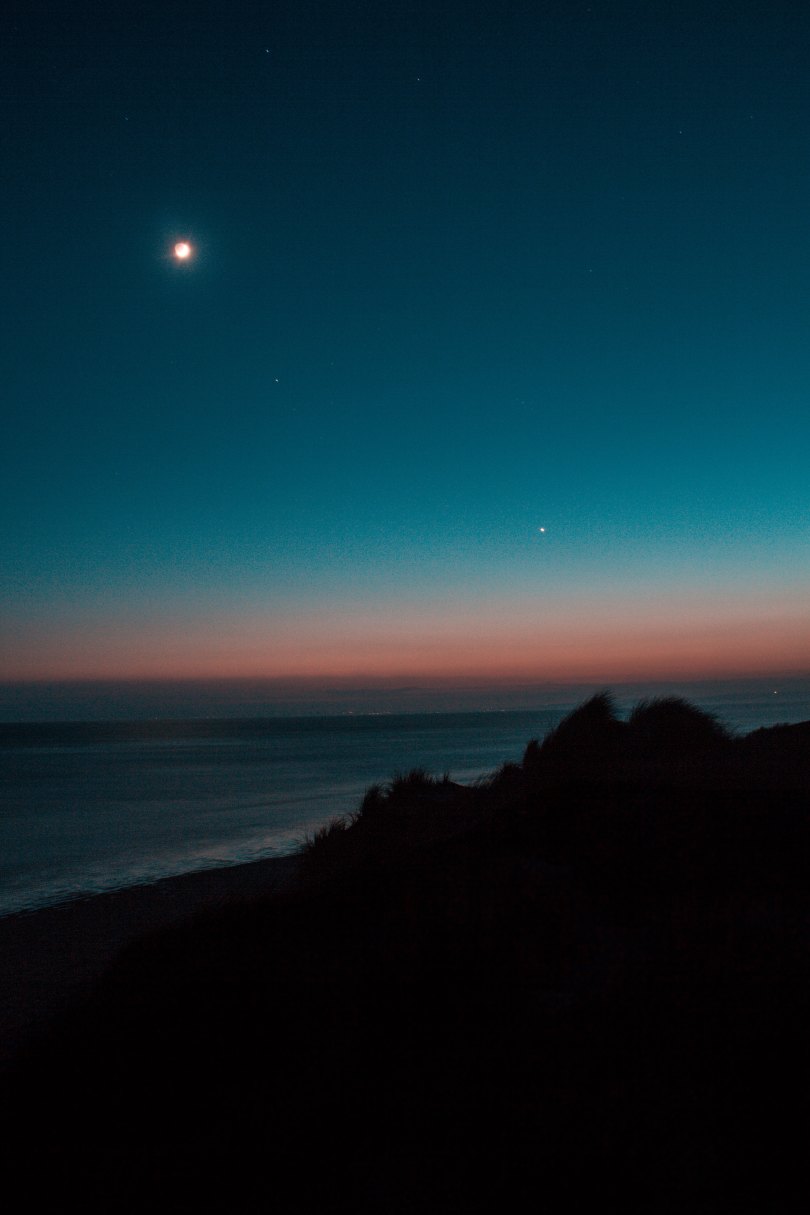
imparziale luce di sole, luce di luna,
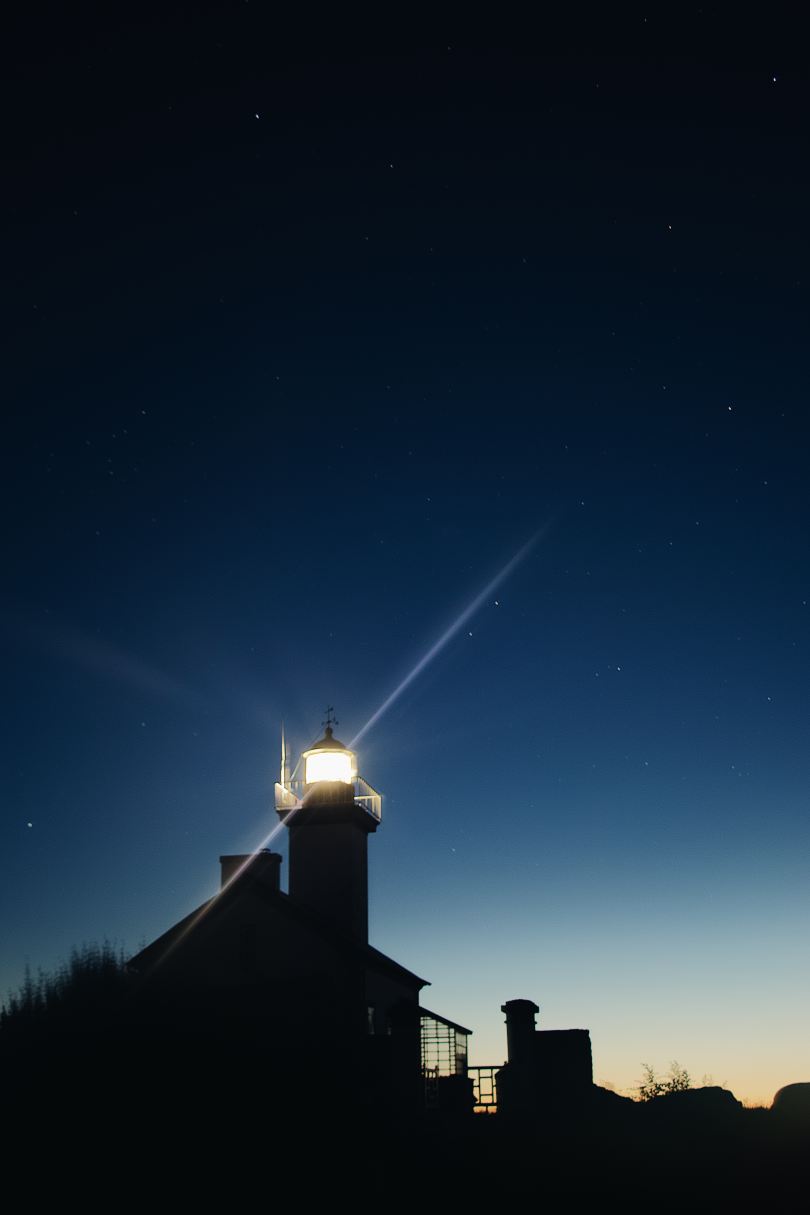
luce di stelle, luce di faro,
sono linguaggio. E il faro
di Creach’h d’Ouessant,
sulla sua indifesa
scaglia di roccia, è il discendente di Voltaire,
la cui giustizia fiammeggiante andò
a raggiungere un uomo già colpito:
dall’inerme
Montaigne, il cui equilibrio,
conservato malgrado la durezza
del bandito, accese la scintilla
salvatrice del rimorso; di Émile Littré,
mosso dalla passione filologica,
ammaliato dagli otto volumi
d’Ippocrate, il suo
autore. Era
un uomo di fuoco, uno scienziato
della libertà, questo tenace Maximilien
Paul Émile Littré. Se l’Inghilterra
è difesa dal mare,
noi, con la consolidata Libertà
di Bartholdi, che regge alta
la torcia accanto al porto, udiamo
l’ingiunzione della Francia: “Ditemi
la verità, e specialmente quando
sia spiacevole”. E noi,
noi possiamo rispondere soltanto:
“Questa parola Francia vuole dire
affrancamento: vuole dire una
che “rianima chiunque pensi a lei”.

(Trad. Lina Angioletti e Gilberto Forti)

Light is Speech

One can say more of sunlight
than of speech; but speech
and light, each
aiding each – when French –
have not disgraced that still un-
extirpated adjective.
Yes light is speech. Free frank
impartial sunlight, moonlight,
starlight, lighthouse light,
are language. The Creach’d
d’Ouessant light-
house on its defenseless dot of
rock, is the descendant of Voltaire

whose flaming justice reached a
man already harmed;
of unarmed
Montaigne whose balance,
maintained despite the bandit’s
hardness, lit remorse’s saving
spark; of Émile Littré,
philology’s determined,
ardent eight-volume
Hippocrates-charmed
editor. A
man on fire, a scientist of
freedoms, was firm Maximilien

Paul Émile Littré. England
guarded by the sea,
we with re-
enforced Bartholdy’s
Liberty holding up her
torch beside the port, hear France
demand, “Tell me the truth,
especially when it is
unpleasant”. And we
cannot but reply,
“The word France means
enfranchisement; means one who can
animate whoever thinks of her“.

From: New Collected Poems of Marianne Moore
edited by Heather Cass White

__________________________________

Martynas Levickis & Mikroorkéstra, Antonio Vivaldi The Four Seasons  (Highlights)
Lezioni di piano, da “A vela in solitaria intorno alla stanza” (2013), Billy Collins

1
Il mio insegnante è a terra con un brutto mal di schiena
disteso di fianco al piano.
Io sono seduto dritto sul panchetto.
Inizia dicendomi che ogni chiave
è come una diversa stanza
e io sono un cieco che deve imparare
ad attraversarle tutte e dodici
senza sbattere nei mobili.
Mi sembra di allungare la mano alla prima maniglia.

2
Mi dice che ogni scala ha una forma
e che devo imparare come tenere
ciascuna mano.
A casa mi esercito ad occhi chiusi.
Do è un libro aperto.
Re è un vaso con due manici.
Sol diesis è uno stivale nero.
Mi ha le zampe di un uccello.

3
Dice che la scala è la madre degli accordi.
Riesco a vederla mentre va su e giù per la camera da letto
aspettando che i figli tornino a casa.
Sono fuori nei nightclub a sfumare e marcare
le canzoni mentre le coppie danzano lente
o si osservano dai tavoli.
Ed è così che deve essere. Dopo tutto,
l’accordo giusto può farci piangere
ma nessuno ascolta le scale,
nessuno ascolta la loro madre.

4
Sto facendo le mie scale,
gl’inni familiari dell’infanzia.
Le dita salgono la scala delle note
e scendono senza girarsi.
Chi cammina sotto questa finestra aperta
s’immagina una bambina di circa dieci anni
seduta alla tastiera con la giusta postura,
non me, scomposto, nel mio accappatoio, spettinato,
come un Horace Silver bianco.

5
Sto imparando a suonare
It Might As Well Be Spring
ma la mano sinistra preferirebbe far tintinnare
gli spiccioli nel buio della tasca
o fare un sonnellino sul bracciolo.
Devo trascinarla nella musica
come un figlio difficile e trascurato.
Questa è la vendetta di chi non può mai
tenere la penna o salutare,
e ora, di chi non può mai suonare la melodia.

6
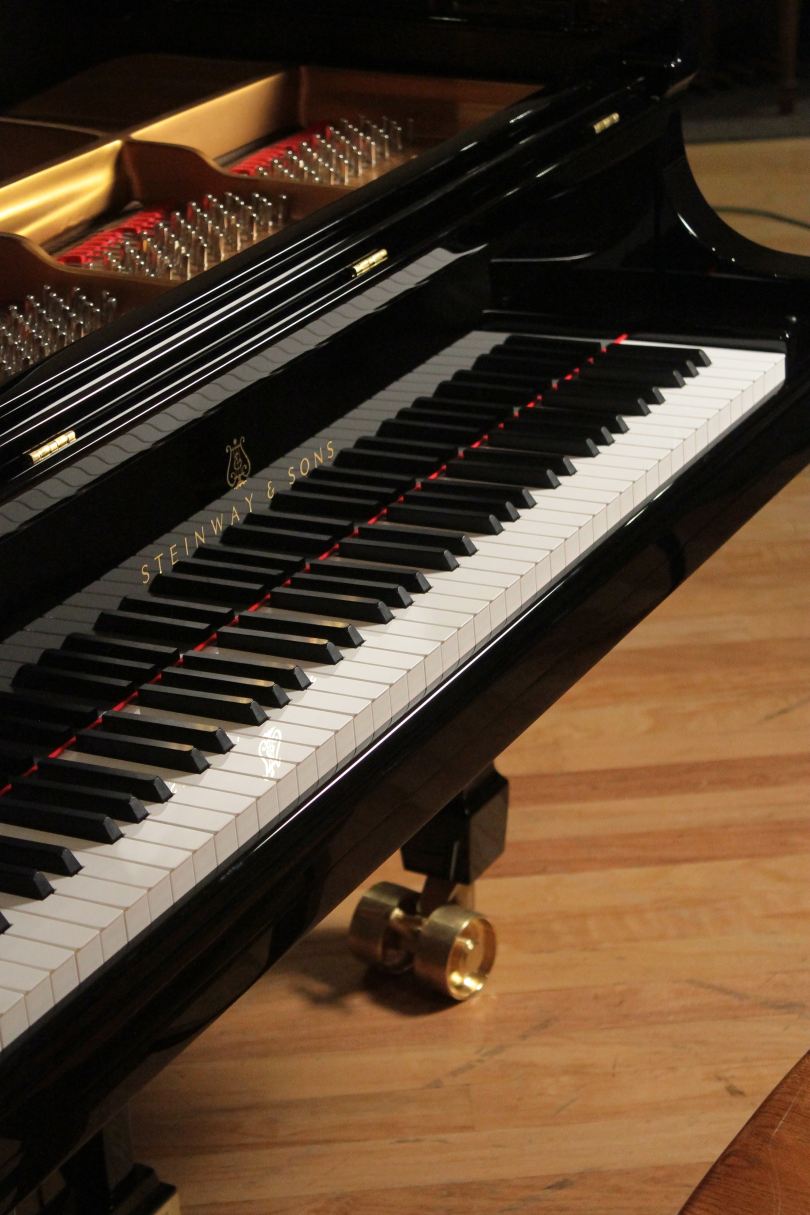
Anche quando non suono, penso al piano.
E’ l’oggetto più grande, pesante,
e bello di questa casa.
Mi fermo sulla soglia solo per abbracciarlo con lo sguardo.
E tardi di notte me lo figuro di sotto,
questa allucinazione, ritta su tre gambe,
questo curioso animale col suo enorme sorriso alla luce della luna.

(Traduzione di Franco Nasi)

Piano Lessons

1
My teacher lies on the floor with a bad back
off to the side of the piano.
I sit up straight on the stool.
He begins by telling me that every key
is like a different room
and I am a blind man who must learn
to walk through all twelve of them
without hitting the furniture.
I feel myself reach for the first doorknob.

2
He tells me that every scale has a shape
and I have to learn how to hold
each one in my hands.
At home I practice with my eyes closed.
C is an open book.
D is a vase with two handles.
G flat is a black boot.
E has the legs of a bird.

3
He says the scale is the mother of the chords.
I can see her pacing the bedroom floor
waiting for her children to come home.
They are out at nightclubs shading and lighting
all the songs while couples dance slowly
or stare at one another across tables.
This is the way it must be. After all,
just the right chord can bring you to tears
but no one listens to the scales,
no one listens to their mother.

4
I am doing my scales,
the familiar anthems of childhood.
My fingers climb the ladder of notes
and come back down without turning around.
Anyone walking under this open window
would picture a girl of about ten
sitting at the keyboard with perfect posture,
not me slumped over in my bathrobe, disheveled,
like a white Horace Silver.

5
I am learning to play
“It Might As Well Be Spring”
but my left hand would rather be jingling
the change in the darkness of my pocket
or taking a nap on an armrest.
I have to drag him in to the music
like a difficult and neglected child.
This is the revenge of the one who never gets
to hold the pen or wave good-bye,
and now, who never gets to play the melody.

6
Even when I am not playing, I think about the piano.
It is the largest, heaviest,
and most beautiful object in this house.
I pause in the doorway just to take it all in.
And late at night I picture it downstairs,
this hallucination standing on three legs,
this curious beast with its enormous moonlit smile.

_________________________________

Maksim Mrvica plays Pirates of the Caribbean — Live at Mercedes-Benz Arena, Shanghai

Due parole, da “L’altro sguardo” (1999), Alfonsina Storni

Questa notte all’orecchio m’hai detto due parole
comuni. Due parole stanche
d’essere dette. Parole
così vecchie da essere nuove.

Parole così dolci che la luna che andava
trapelando dai rami
mi si fermò alla bocca. Così dolci parole
che una formica passa sul mio collo e non oso
muovermi per cacciarla.

Così dolci parole
che, senza voler, dico: “Com’è bella la vita!”
Così dolci e miti
che il mio corpo è asperso di oli profumati.

Così dolci e belle
che, nervose, le dita
si levano al cielo sforbiciando.

Oh, le dita vorrebbero
recidere stelle.

(Traduzione di Angelo Zanon Dal Bo)

Dos palabras

Esta noche al oído me has dicho dos palabras
comunes. Dos palabras cansadas
de ser dichas. Palabras
que de viejas son nuevas.

Dos palabras tan dulces que la luna que andaba
filtrando entre las ramas
se detuvo en mi boca. Tan dulces dos palabras
que una hormiga pasea por mi cuello y no intento
moverme para echarla.

Tan dulces dos palabras
que digo sin quererlo -¡oh, qué bella, la vida!-
Tan dulces y tan mansas
que aceites olorosos sobre el cuerpo derraman.

Tan dulces y tan bellas
que nerviosos, mis dedos,
se mueven hacia el cielo imitando tijeras.
Oh, mis dedos quisieran
cortar estrellas.

Two Words

Tonight at my ear
you have said two simple words.
Two words tired of being said.
Words so old they are new.

Two such sweet words
that the moon dripping through the branches
lands in my mouth. So sweet
these two words that I let an ant
wander down my neck without moving.

Such sweet two words that I say
without trying-How beautiful life is!
So sweet, so tame,
they spill like aromatic oils on my body.

So sweet and so beautiful
that my nervous fingers
move toward the sky like scissors
wanting to cut out the stars.

_______________________________

Martynas Levickis plays Astor Piazzolla’s Libertango with the Seoripul Symphony Orchestra conducted by Je Hi Park, Seoul

Notturno, da “Dal mare o da altra stella”, Eugénio De Andrade

Notte,
notte vecchia
nei sentieri.
La luna su in alto
a fingersi cieca.
Stelle. Alcune sono
cadute nel fiume.
Le rane
e le acque
rabbrividiscono.

(Traduzione di Federico Bertolazzi)

Nocturno

Noite,
noite velha
nos caminhos.
A lua no alto
fingindo-se cega.
Estrelas. Algumas
caíram ao rio.
As rãs
e as águas
estremecem de frio.

Saggio pennello, fiore…, da “Sui gatti” (2015), Charles Bukowski

saggio pennello, fiore
addormentato, mi sveglio

il cacciatore va alla mia finestra
4 piedi inchiodati nella luminosa immobilità di una notte
gialla e blu.

stranezza crudele la fa da padrona nelle guerre, nei giardini –
la notte gialla e blu esplode dinanzi a
me, atomica, chirurgica,
piena di stellati diavoli
salmastri…
poi il gatto salta sulla
staccionata, un grasso gatto spaventato,
stupido, solitario…
baffi come una vecchia nel
supermercato
e nudo come la luna.

ne sono fugacemente
deliziato.

(Traduzione di Simona Viciani)

sensible brush, sleeping…

sensible brush, sleeping
flower, I awaken

the hunter goes by my window
4 feet locked in the bright stillness of a
yellow and blue
night.

cruel strangeness takes hold in wars, in
gardens–
the yellow and blue night explodes before
me, atomic,
surgical,
full of starlit salty
devils…
then the cat leaps up on the
fence, a tubby dismay,
stupid, lonely…
whiskers like an old lady in the
supermarket
and naked as the
moon.

I am temporarily
delighted.

_________________________________
Poesia senza titolo pubblicata nella Hiram Poetry Review 1, autunno-inverno 1966; pubblicata in The Days Run Away Like Wilde Horses Over the Hills.

Il pianeta delle quattro lune, da “Balistica” (2011), Billy Collins

Ho invidiato il pianeta dalle quattro lune.
I quaderni di Robert Frost

Forse stava pensando alla canzone
“Che cosa può fare un piccolo chiaro di luna”
e si sarà chiesto
di che cosa è capace un grande chiaro di luna.

Ma non sarebbe un po’ troppo bello?
e che cosa succederebbe se non si potessero distinguere
e se sorgessero sempre assieme
come quattro pallidi gemelli che entrano in un salotto?

Sì, ci sarebbe abbastanza luce
per leggere un libro o scrivere una lettera a mezzanotte,
e se tu bevessi abbastanza tequila
ne vedresti otto vagare luminose in cielo.

Ma pensa ai due amanti su una spiaggia,
il braccio di lui sulla nuda spalla di lei,
elettrizzati dal sentirsi così vicini questa notte
mentre lui contempla una luna e lei un’altra.

(Traduzione di Franco Nasi)

The Four-Moon Planet

I have envied the four-moon planet.
-The Notebooks of Robert Frost

Maybe he was thinking of the song
“What a Little Moonlight Can do”
and became curious about
what a lot of moonlight might be capable of.

But wouldn’t this be too much of a good thing?
and what if you couldn’t tell them apart
and they always rose together
like pale quadruplets entering a living room?

Yes, there would be enough light
to read a book or write a letter at midnight,
and if you drank enough tequila
you might see eight of them roving brightly above.

But think of the two lovers on a beach,
his arm around her bare shoulder,
thrilled at how close they were feeling tonight
while he gazed at one moon and she another.

From Ballistics
Copyright © 2008 by Billy Collins

__________________________

Piccole parole, da “Sale” (1962), Wislawa Szymborska

La Pologne? La Pologne? Deve esserci un freddo terribile, vero?”
mi ha chiesto, e ha tirato un sospiro di sollievo. Infatti sono saltati fuori tanti di quei paesi che la cosa migliore è parlare del clima.
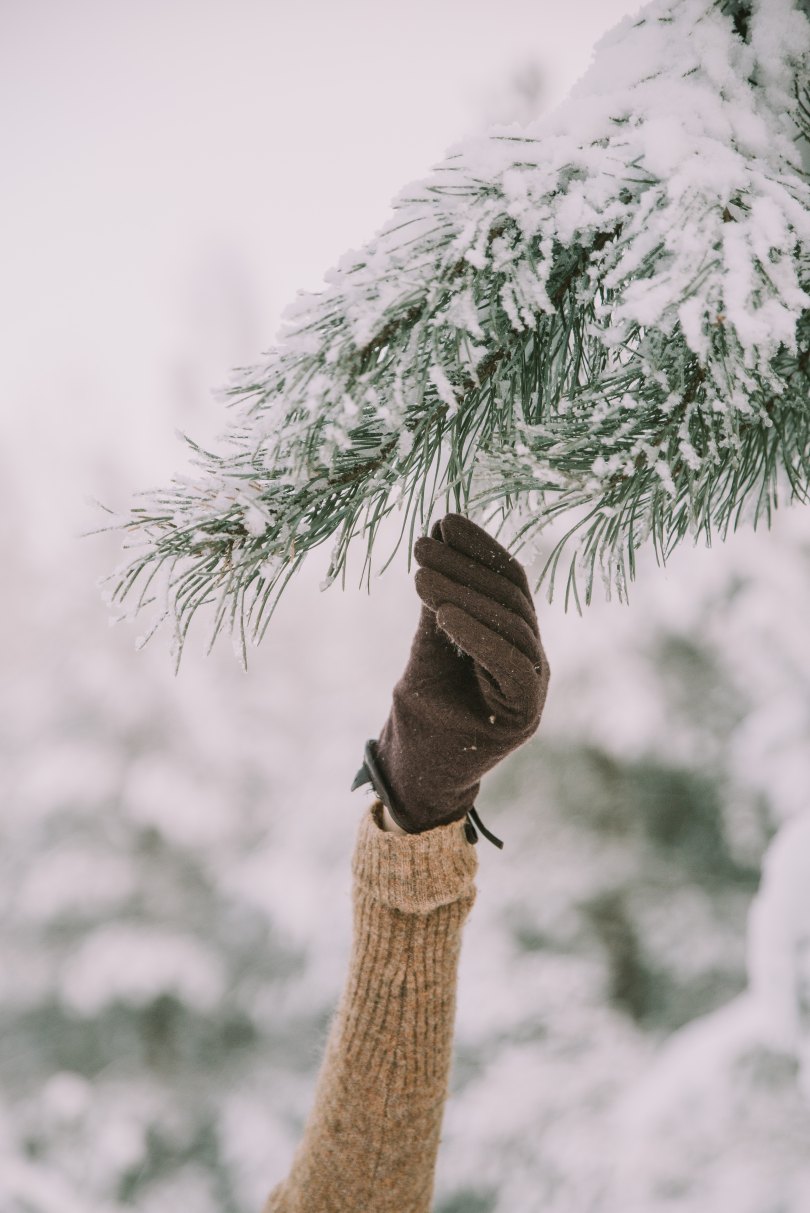
“Oh, signora,” vorrei risponderle “i poeti del mio paese scrivono in guanti. Non dico che non se li tolgano mai; quando la luna scalda, allora sì. In strofe composte di grida tonanti, perché solo questo penetra attraverso il mugghio della tempesta, cantano l’esistenza semplice dei pastori di foche. I classici incidono con ghiaccioli d’inchiostro su cumuli di neve calpestati. Gli altri, i decadenti, piangono sul destino con stelline di neve. Chi si vuole annegare deve avere una scure per fare un buco nel ghiaccio. Oh, signora, mia cara signora!”

E’ così che vorrei risponderle. Ma ho dimenticato come si dice foca in francese. Non sono sicura del ghiacciolo e del buco nel ghiaccio.

La Pologne? La Pologne? Deve esserci un freddo terribile, vero?”
Pas du tout” rispondo glacialmente.

(Traduzione di Pietro Marchesani)

Vocabulary

La Pologne? La Pologne? Isn’t it terribly cold there?” she asked, and then sighed with relief. So many countries have been turning up lately that the safest thing to talk about is climate.

“Madame,” I want to reply, “my people’s poets do all their writing in mittens. I don’t mean to imply that they never remove them; they do, indeed, if the moon is warm enough. In stanzas composed of raucous whooping, for only such can drown the windstorms’ constant roar, they glorify the simple lives of our walrus herders. Our Classicists engrave their odes with inky icicles on trampled snowdrifts. The rest, our Decadents, bewail their fate with snowflakes instead of tears. He who wishes to drown himself must have an ax at hand to cut the ice. Oh, madame, dearest madame.

That’s what I mean to say. But I’ve forgotten the word for walrus in French. And I’m not sure of icicle and ax.

La Pologne? La Pologne? Isn’t it terribly cold there?”
Pas du tout” I answer icily.

(Translated from Polish by Stanislaw Baranczak and Clare Cavanagh)

Lieve avanzò una bionda stella, Emily Dickinson

Lieve avanzò una bionda stella
Verso la sua alta sede
Sciolse la Luna il cappello argenteo
Dal suo Volto lustrale
Tutto nella sera sommesso s’accese
Come un’Aula Astrale
Padre dichiarai al Cielo
Sei puntuale –

(Traduzione di Giuseppe Ierolli)

Lightly stepped a yellow star

Lightly stepped a yellow star
To it’s lofty place
Loosed the Moon her silver hat
From her lustral Face
All of evening softly lit
As an Astral Hall
Father I observed to Heaven
You are punctual –

La prima notte, da “Balistica” (2011), Billy Collins

La cosa peggiore della morte deve essere
la prima notte.
— Juan Ramón Jiménez

Prima di averti aperto, Jiménez,
non avevo mai pensato che il giorno e la notte
avrebbero continuato a circondarsi a vicenda nel cerchio della morte,

ma ora mi spingi a chiedermi
se ci saranno anche un sole e una luna
e se i morti si riuniranno per vederli sorgere e tramontare

per poi riparare, ogni anima da sola,
in uno spettrale analogo di un letto.
O la prima notte sarà la sola notte,

un’oscurità per la quale non abbiamo altro nome?
Com’è fragile il nostro vocabolario di fronte alla morte
e com’è impossibile scriverla.

E’ qui che si ferma la lingua,
il cavallo che abbiamo cavalcato per tutta la vita
si impenna sul bordo di un dirupo da capogiro.

La parola che era all’inizio
e la parola che fu fatta carne:
quelle e ogni altra parola finiranno.

Anche ora, leggendoti sotto questo pergolato,
come posso descrivere un sole che brillerà dopo la morte?
Ma è abbastanza per spaventarmi

e farmi prestare più attenzione alla luna del mondo di giorno,
al brillio della luce del sole sull’acqua
o frammentata in una macchia di alberi,

e di guardare più da vicino qui, queste piccole foglie,
queste spine sentinella
che hanno il compito di fare la guardia alla rosa.

(Traduzione di Franco Nasi)

The First Night

The worst thing about death must be
the first night.
— Juan Ramón Jiménez

Before I opened you, Jiménez,
it never occurred to me that day and night
would continue to circle each other in the ring of death,

but now you have me wondering
if there will also be a sun and a moon
and will the dead gather to watch them rise and set

then repair, each soul alone,
to some ghastly equivalent of a bed.
Or will the first night be the only night,

a darkness for which we have no other name?
How feeble our vocabulary in the face of death,
How impossible to write it down.

This is where language will stop,
the horse we have ridden all our lives
rearing up at the edge of a dizzying cliff.

The word that was in the beginning
and the word that was made flesh—
those and all the other words will cease.

Even now, reading you on this trellised porch,
how can I describe a sun that will shine after death?
But it is enough to frighten me

into paying more attention to the world’s day-moon,
to sunlight bright on water
or fragmented in a grove of trees,

and to look more closely here at these small leaves,
these sentinel thorns,
whose employment it is to guard the rose.

Agosto, da “Canciones” (1921-1924), Federico Garcia Lorca

Agosto.
Controtramonti
di pesca e zucchero,
e il sole dentro la sera
come il nocciolo in un frutto.

La pannocchia conserva intatta
la sua risata gialla e dura.

Agosto.
I bambini mangiano
pane nero e luna piena.

Agosto

Agosto.
Contraponientes
de melocotón y azúcar,
y el sol dentro de la tarde,
como el hueso en una fruta.

La panocha guarda intacta
su risa amarilla y dura.

Agosto.
Los niños comen
pan moreno y rica luna.