Hanno un impercettibile Odore – che per me È metro – ma non solo – è melodia – E più pungenti nell’estinguersi – indicano – Il Temperamento – di un Poeta –
(Traduzione di Giuseppe Ierolli)
N.d.T.: Una copia fu inviata a Gertrude Vanderbilt, probabilmente insieme a dei fiori. Ne conosciamo il testo da una trascrizione di Mabel Todd e rispetto a quella riportata sopra, nei fascicoli, ci sono due differenze: “poesy” (“poesia”) al posto di “melody” al verso 2 e “celebrate” (“celebrano”) al posto di “indicate” al verso 3, peraltro presenti come varianti anche nei fascicoli. In quei probabili fiori possiamo però anche leggere una metafora della poesia: i versi di una poesia lasciano dietro di sé una scia molto simile a un profumo, a un odore che non tutti riescono a percepire, e che diventa a un tempo metro e ritmo, musica e poesia. E se il profumo di quei versi persiste, e anzi aumenta, dopo la morte del loro creatore, allora siamo di fronte a un vero poeta.
They have a little Odor…
They have a little Odor – that to me Is metre – nay – ‘tis melody – And spiciest at fading – indicate – A Habit – of a Laureate –
________________________________
Yuja Wang: Liszt Piano Concerto No. 1 in E-flat major, S.124 – NDR Elbphilharmonie Orchestra conducted by Alan Gilbert February 27, 2022
E’ una di quelle mattine primaverili – la candida luce del sole a rischiarare l’aria, una brezza che arruffa i fiori – che mi fanno venir voglia di cominciare una storia del tempo, un’elegia in dieci volumi delle atmosfere del passato, delle buste in movimento attorno al globo in movimento.
Si aprirà con l’analisi dei cirri, che passano ora su questa casa diretti allo Stato accanto, e ogni capitolo andrà a ritroso nel tempo, per descrivere la pioggia che cadde sui campi di battaglia, e i venti che assistettero a decapitazioni, a incoronazioni.
Si studieranno le raffiche di neve nella Londra vittoriana assieme ai forti venti che facevano volare i cappelli nel Rinascimento. Si spiegheranno i tornado del Medioevo e i lunghi giorni nuvolosi dei Secoli Bui. Ci sarà una sezione sulle notti ghiacciate dell’antichità e sulla calura che riluceva nei deserti della Bibbia.
Lo studio sarà lodato perché ambizioso e definitivo, e parlerà perfino del clima prima del Diluvio quando la pioggia bagnava l’Eden, e finirà con i misteri del meteo prima della storia quando nubi non viste vagavano su un mondo spopolato, quando non c’era neppure un’anima sdraiata, in una valletta, a guardare in alto ai visi enormi e alle forme animali che passavano, con la giacca appallottolata come cuscino, e sul petto un libro aperto.
(Traduzione di Franco Nasi)
A History of Weather
It is the kind of spring morning – candid sunlight elucidating the air, a flower-ruffling breeze – that makes me want to begin a history of weather, a ten-page volume elegy for the atmospheres of the past, the envelopes that have moved around the moving globe.
It will open by examining the cirrus clouds that are now sweeping over this house into the next state, and every chapter will step backwards in time to illustrate the rain that fell on battlefields and the winds that attended beheadings, coronations.
The snow flurries of Victorian London will be surveyed along with the gales that blew off Renaissance caps. The tornadoes of the Middle Ages will be explicated and the long, overcast days of the Dark Ages. There will be a section on the frozen nights of antiquity and on the heat that shimmered in the deserts of the Bible.
The study will be hailed as ambitious and definitive, for it will cover even the climate before the Flood when showers moistened Eden and will conclude with the mysteries of the weather before history when unseen clouds drifted over an unpeopled world, when not a soul lay in any of earth’s meadows gazing up at the passing of enormous faces and animal shapes, his jacket bunched into a pillow, an open book on his chest.
___________________________________________
Teodor Currentzis | Tschaikowsky: Sinfonie Nr. 5 e-Moll | SWR Symphonieorchester– Liederhalle Stuttgart, Dezember 2018
Fuori per campi e boschi E oltre le mura ho viaggiato; Salito su colline panoramiche Ho guardato il mondo, sono sceso; Per la via grande son tornato a casa, Ed ecco ho terminato.
Le foglie sono tutte morte a terra, Ma la quercia le sue trattiene Per ammucchiarle una a una E lasciarle graffiare e strisciare Fuori sulla crosta di neve, Quando le altre staranno a riposare.
Confuse e immobili le foglie morte, Non più sbattute qua e là; L’ultimo astro solitario è scomparso; Appassiscono i fiori dell’hamamelis; Ancora cerca e si tormenta il cuore, Ma i passi domandano «dove?».
Ah, quando mai al cuore dell’uomo Fu meno che un tradimento Lasciarsi alla deriva delle cose, Cedere con grazia alla ragione, E piegarsi e accettare la fine D’un amore e d’una stagione?
(Traduzione di Giovanni Giudici)
Reluctance
Out through the fields and the woods And over the walls I have wended; I have climbed the hills of view And looked at the world, and descended; I have come by the highway home, And lo, it is ended.
The leaves are all dead on the ground, Save those that the oak is keeping To ravel them one by one And let them go scraping and creeping Out over the crusted snow, When others are sleeping.
And the dead leaves lie huddled and still, No longer blown hither and thither; The last lone aster is gone; The flowers of the witch hazel wither; The heart is still aching to seek, But the feet question ‘Whither?’
Ah, when to the heart of man Was it ever less than a treason To go with the drift of things, To yield with a grace to reason, And bow and accept the end Of a love or a season?
______________________________________
Julia Fischer: Vivaldi, The Four Seasons – Autumn (Filmed in the National Botanic Garden of Wales, July 2011)
C’è una storia di una terra meravigliosa,
dove i campi erano fertili e dove i fiori erano luminosi;
Dove alte torri brillavano nella luce del mattino,
Dove bambini felici vagavano mano nella mano,
Dove gli amanti scrivevano i loro nomi sulla sabbia.
Dicono che svanì da ogni vista umana,
il mare affamato la divorò in una notte.
Dubiti della storia? ah, capirai;
Poiché, mentre gli uomini riflettono su quella vecchia favola,
danno sempre triste credito alla fine,
nonostante abbiano cavillato sulla sua verità,
quando con una visione offuscata dalle lacrime vedono,
affondando rapidamente nell’oceano del passato,
la bella Atlantide perduta della loro giovinezza.
The Lost Land
There is a story of a beauteous land,
Where fields were fertile and where flowers were bright;
Where tall towers glistened in the morning light,
Where happy children wandered hand in hand,
Where lovers wrote their names upon the sand.
They say it vanished from all human sight,
The hungry sea devoured it in a night.
You doubt the tale? ah, you will understand;
For, as men muse upon that fable old,
They give sad credence always at the last,
However they have cavilled at its truth,
When with a tear-dimmed vision they behold,
Swift sinking in the ocean of the Past,
The lovely lost Atlantis of their Youth.
“Poetical works of Ella Wheeler Wilcox” by Ella Wheeler Wilcox
Edinburgh : W. P. Nimmo, Hay, & Mitchell, 1917
________________________________________
Lang Lang spielt Beethovens fünftes Klavierkonzert op. 73 in Es-Dur. Es folgt eine vierhändige Zugabe mit dem Dirigenten Christoph Eschenbach
Schleswig Holstein Musik Festival, Abschlusskonzert 2012 aus der Sparkassen-Arena, Kiel
________________________________________
Lang Lang & Eschenbach — Debussy:Petite Suite En Bateau – Petite Suite Ballet (5:00)
I venti del sud li spingono – I bombi arrivano – Volteggiano – esitanti – Bevono, e se ne vanno – Le farfalle sostano Nel loro passaggio di Cachemire – Io – strappando dolcemente, Qui li offro!
(Traduzione di Giuseppe Ierolli)
South winds jostle them –
South winds jostle them – Bumblebees come – Hover – hesitate – Drink, and are gone – Butterflies pause On their passage Cashmere – I – softly plucking, Present them here!
Che nottata! I sogni o non vengono affatto
oppure si tratta di un sogno che forse forse
annuncia una perdita. La scorsa notte mi hanno abbandonato
senza una parola su una strada di campagna.
In una casa laggiù sulle colline c’era una luce
non più grande di una stella.
Ma avevo paura di andarci e ho continuato a camminare.
Poi mi sono risvegliato al rumore della pioggia sui vetri.
Vicino alla finestra un vaso di fiori.
L’odore del caffè e tu che ti tocchi i capelli
con il gesto di chi non c’è più da anni.
Ma c’è un pezzo di pane sotto al tavolo
accanto ai tuoi piedi. E una fila di formiche
va avanti e indietro da una fessura nel pavimento.
Non sorridi più.
Fammi un favore stamattina. Chiudi le tende e torna a letto.
Lascia perdere il caffè. Faremo finta
di essere in un paese straniero, innamorati.
(Traduzione di Riccardo Duranti e Francesco Durante)
The Road
What a rough night! It’s either no dreams at all,
or else a dream that may or may not be
a dream portending loss. Last night I was dropped of
without a word on a country road.
A house back in the hills showed a light
no bigger than a star.
But I was afraid to go there, and kept walking.
Then to wake up to rain striking the glass.
Flowers in a vase near the window.
The smell of coffee, and you touching your hair
with a gesture like someone who has been gone for years.
But there’s a piece of bread under the table
near your feet. And a line of ants
moving back and forth from a crack in the floor.
You’ve stopped smiling.
Do me a favor this morning. Draw the curtain and come back to bed.
Forget the coffee. We’ll pretend
we’re in a foreign country, and in love.
Ancora cadrà la pioggia
sui tuoi dolci selciati,
una pioggia leggera
come un alito o un passo.
Ancora la brezza e l’alba
fioriranno leggere
come sotto il tuo passo,
quando tu rientrerai.
Tra fiori e davanzali
i gatti lo sapranno.
Ci saranno altri giorni,
ci saranno altre voci.
Sorriderai da sola.
I gatti lo sapranno.
Udrai parole antiche,
parole stanche e vane
come i costumi smessi
delle feste di ieri.
Farai gesti anche tu.
Risponderai parole –
viso di primavera,
farai gesti anche tu.
I gatti lo sapranno,
viso di primavera;
e la pioggia leggera,
l’alba color giacinto,
che dilaniano il cuore
di chi più non ti spera,
sono il triste sorriso
che sorridi da sola.
Ci saranno altri giorni,
altre voci e risvegli.
Soffriremo nell’alba,
viso di primavera.
The Cats Will Know
Rain will fall again
on your smooth pavement,
a light rain like
a breath or a step.
The breeze and the dawn
will flourish again
when you return,
as if beneath your step.
Between flowers and sills
the cats will know.
There will be other days,
there will be other voices.
You will smile alone.
The cats will know.
You will hear words
old and spent and useless
like costumes left over
from yesterday’s parties.
You too will make gestures.
You’ll answer with words—
face of springtime,
you too will make gestures.
The cats will know,
face of springtime;
and the light rain
and the hyacinth dawn
that wrench the heart of him
who hopes no more for you—
they are the sad smile
you smile by yourself.
There will be other days,
other voices and renewals.
Face of springtime,
we will suffer at daybreak.
(Translated by Geoffrey Brock)
“The Cats Will Know” from Disaffections: Complete Poems 1930-1950 by Cesare Pavese. Published in 2002 by Copper Canyon Press.
_____________________ Composta il 10 aprile 1950, pubblicata postuma in “Verrà la morte e avrà i tuoi occhi” (Torino, Einaudi, 1951). L’edizione più recente delle “Poesie” di Cesare Pavese è Torino, Einaudi, 2005.
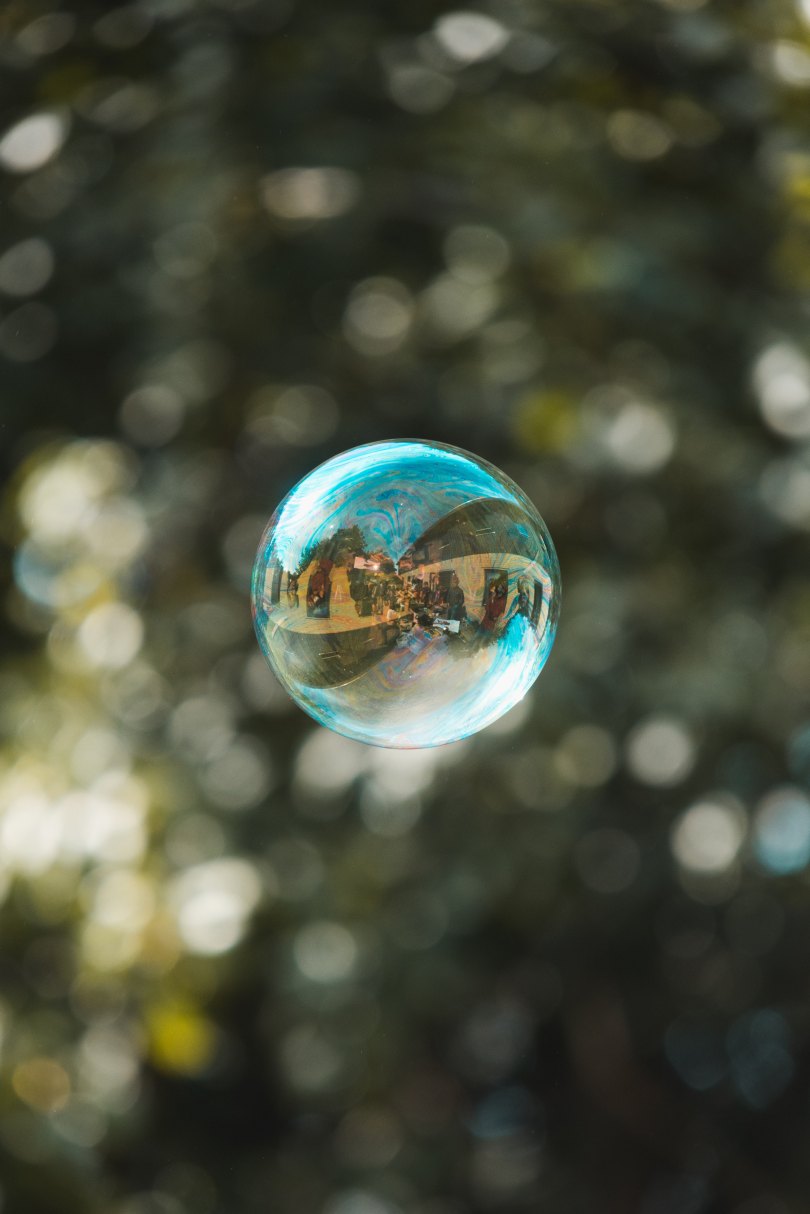
Le bolle di sapone che questo bambino
si diverte a soffiare da una cannuccia
sono traslucidamente tutta una filosofia.
Chiare, inutili e passeggere come la Natura,
amiche degli occhi come le cose,
sono quello che sono
con una precisione rotonda e aerea,
e nessuno, nemmeno il bambino che le libera
pretende che siano di più di quanto sembrano essere.
Alcune si vedono a stento nell’aria tersa.
Sono come la brezza che passa quasi senza toccare i fiori
e soltanto sappiamo che passa
perché qualcosa si alleggerisce in noi
e accetta tutto più nitidamente.
(Traduzione di Maria José de Lancastre)
As bolas de sabão que esta criança
As bolas de sabão que esta criança
Se entretém a largar de uma palhinha
São translucidamente uma filosofia toda.
Claras, inúteis e passageiras como a Natureza,
Amigas dos olhos como as coisas,
São aquilo que são
Com uma precisão redondinha e aérea,
E ninguém, nem mesmo a criança que as deixa,
Pretende que elas são mais do que parecem ser.
Algumas mal se vêem no ar lúcido.
São como a brisa que passa e mal toca nas flores
E que só sabemos que passa
Porque qualquer coisa se aligeira em nós
E aceita tudo mais nitidamente.
11-3-1914 “O Guardador de Rebanhos”, In Poemas de Alberto Caeiro, Fernando Pessoa. Lisboa: Ática, 1946
The soap-bubble this child
The soap-bubble this child
Keeps blowing fron a reed
Are translucently a whole philosophy.
Bright, purposeless and transient like Nature,
Friends of the eyes like things,
They are what they are
Whith a rounded and aerial precision,
And no one, not even the child who is letting them loose,
Pretends that they are more than what they seem.
Some are scarcely seen in the light-filled air.
They’re like breeze, which passes and barely touches the flowers
And which we know is passing
Only because something gets air-borne in us
And accepts averything more lucidly.
Selected Poems Fernando Pessoa, Translated by Jonathan Griffin


 nonsolobiancoenero