Quando spunta la luna, da “Canciones 1921-1924”, Federico Garcia Lorca

Quando spunta la luna
tacciono le campane
e i sentieri sembrano
impenetrabili.

Quando spunta la luna,
il mare copre la terra
e il cuore diventa
isola nell’infinito.

Nessuno mangia arance
sotto la luna piena.
Bisogna mangiare
frutta verde e gelata.

Quando spunta la luna
dai cento volti uguali,
la moneta d’argento
singhiozza nel taschino.

La luna asoma

Cuando sale la luna
se pierden las campanas
y aparecen las sendas
impenetrables.

Cuando sale la luna,
el mar cubre la tierra
y el corazón se siente
isla en el infinito.

Nadie come naranjas
bajo la luna llena.
Es preciso comer
fruta verde y helada.

Cuando sale la luna
de cien rostros iguales,
la moneda de plata
solloza en el bolsillo.

The Moon Comes Forth

When the moon is out
The bells die away
And impenetrable
Paths come to the fore.

When the moon is out
Water covers land
And the heart feels itself
An island in infinity.

No one eats oranges
Under the full moon.
It is right to eat
Green, chilled fruit.

When the moon is out
With a hundred faces all the same,
Coins of silver
Start sobbing in the pocket.

(Translated by A.Z. Foreman)

_________________________________

David Garrett Performance 2015 – Chopin Nocturne
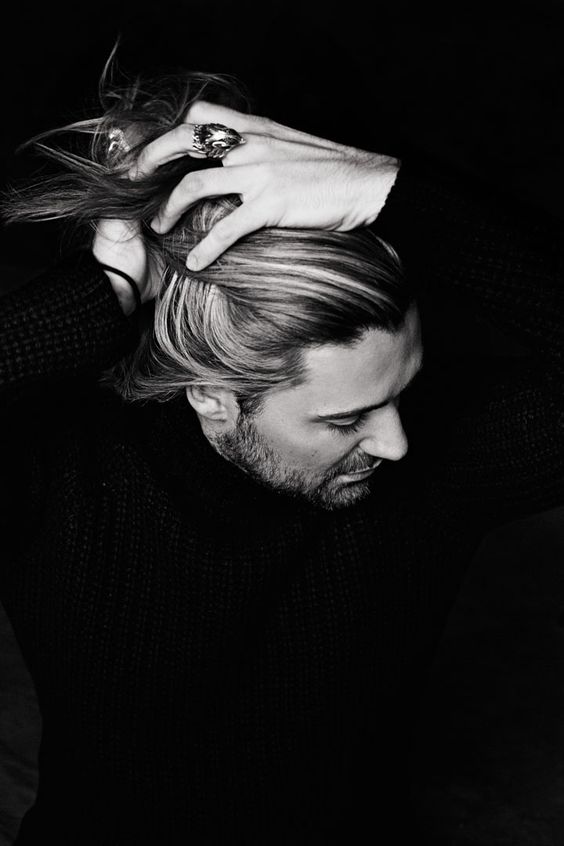
L’uomo nella luna, da “A vela in solitaria intorno alla stanza” (2013), Billy Collins

Era solito spaventarmi nelle notti d’infanzia,
il volto grande da adulto, enorme, duro, là in alto.
Non riuscivo a immaginare tanta solitudine, tanta freddezza.

Ma stasera tornando a casa in auto su queste strade di collina
lo vedo inabissarsi dietro gruppi di alberi spogli
per poi risorgere di nuovo a mostrare il suo volto familiare.

E quando è in piena vista sopra i campi aperti
sembra un giovane che si è innamorato
della terra scura,

uno scapolo pallido, ben curato e pieno di malinconia,
con la bocca rotonda aperta
come se avesse appena cominciato a cantare.

(Traduzione di Franco Nasi)

The Man In The Moon

He used to frighten me in the nights of childhood,
the wide adult face, enormous, stern, aloft.
I could not imagine such loneliness, such coldness.

But tonight as I drive home over these hilly roads
I see him sinking behind stands of winter trees
And rising again to show his familiar face.

And when he comes into full view over open fields
he looks like a young man who has fallen in love
with the dark earth,

a pale bachelor, well-groomed and full of melancholy,
his round mouth open
as if he had just broken into song.

________________________________

Beethoven – Moonlight Sonata Op 27 No 2
Played by Anastasia Huppmann at the Yamaha Concert Hall in Vienna

Alla musica, da “Poesie sparse” (1953), Rainer Maria Rilke

Musica: respiro delle statue. Forse:
silenzio delle immagini. Tu lingua ove le lingue
cessano. Tempo a picco sul corso
dei cuori che passano.

Sentimenti per chi? Tu metamorfosi
dei sentimenti in che? -: in paesaggio udibile.
Musica: Tu straniera. Tu spazio del cuore
cresciuto oltre di noi. Tu a noi il più intimo
che, superandoci, di là da noi trabocca –
sacro addio:
poiché il nostro Intimo ci sta intorno come
la più frequentata lontananza, come altra
faccia dell’aria:
pura,
immensa,
non più abitabile.

(Traduzione di Giacomo Cacciapaglia) 

An die Musik

Musik: Atem der Statuen. Vielleicht:
Stille der Bilder. Du Sprache wo Sprachen
enden. Du Zeit
die senkrecht steht auf der Richtung
vergehender Herzen.

Gefühle zu wem? O du der Gefühle
Wandlung in was?— in hörbare Landschaft.
Du Fremde: Musik. Du uns entwachsener
Herzraum. Innigstes unser,
das, uns übersteigend, hinausdrängt,—
heiliger Abschied:
da uns das Innre umsteht
als geübteste Ferne, als andre
Seite der Luft:
rein,
riesig
nicht mehr bewohnbar.

To Music

Music: breathing of statues. Perhaps:
silence of paintings. You language where all language
ends. You time
standing vertically on the motion of mortal hearts.

Feelings for whom? O you the transformation
of feelings into what?–: into audible landscape.
You stranger: music. You heart-space
grown out of us. The deepest space in us,
which, rising above us, forces its way out,–
holy departure:
when the innermost point in us stands
outside, as the most practiced distance, as the other
side of the air:
pure,
boundless,
no longer habitable.

Translated by Stephen Mitchell

________________________________________

David Garrett – Niccolo Paganini, La Campanella Opus 7, Live

_________________________________________

David Garrett – Music 2013 – Original by John Miles 1976

Budapest, da “A vela in solitaria intorno alla stanza” (2013), Billy Collins

La mia penna si muove lungo la pagina
come il muso di uno strano animale
a forma di braccio umano
e vestito con la manica di un largo maglione verde.

Lo osservo annusare senza sosta la carta,
assorto come un predatore che ha in mente
solo larve e insetti
che lo terranno in vita un altro giorno.

Vuole solo essere qui domani,
vestito forse con la manica di una camicia a scacchi,
col naso premuto contro la pagina,
a scrivere qualche altro obbediente verso

mentre io guardo fuori dalla finestra e immagino Budapest
o qualche altra città dove non sono mai stato.

(Traduzione di Franco Nasi)

Budapest

My pen moves along the page
like the snout of a strange animal
shaped like a human arm
and dressed in the sleeve of a loose green sweater.

I watch it sniffing the paper ceaselessly,
intent as any forager that has nothing
on its mind but the grubs and insects
that will allow it to live another day.

It wants only to be here tomorrow,
dressed perhaps in the sleeve of a plaid shirt,
nose pressed against the page,
writing a few more lines

while I gaze out the window and imagine Budapest
or some other city where I have never been.

from Sailing Alone Around the Room, Billy Collins

____________________________________

David Garrett: Csardas by V. Monti – Night of the Proms Rotterdam 2002

Martynas – Hungarian Dance No.5 in G Minor

Solitudine, Ella Wheeler Wilcox

Ridi e il mondo riderà con te.
Piangi, e piangerai da solo.
Poiché il vecchio mondo triste deve prendere
in prestito la sua allegria,
ma ha già abbastanza guai per conto suo.
Canta, e le colline ti risponderanno.
Singhiozza, e il tuo singhiozzo si perderà nell’aria.
L’eco è destinata a un suono gioioso,
ma si rifiuta di dare ascolto ai lamenti.

Rallegrati e gli uomini ti cercheranno.
Rattristati, ed essi ti lasceranno solo.
Vogliono la misura piena di tutto il tuo piacere,
ma non hanno bisogno del tuo dolore.
Sii felice, e avrai molti amici.
Sii triste, e li perderai tutti.
Non c’è nessuno che rifiuti il tuo vino di nettare,
ma dovrai bere da solo il fiele della vita.

Fa’ festa, e i tuoi saloni si riempiranno.
Digiuna, e il mondo ti passerà accanto senza sfiorarti.
Se avrai successo e sarai generoso, ciò ti aiuterà
a vivere.
ma nessuno potrà aiutarti a morire.
C’è spazio nelle sale del piacere
per un lungo treno di signori.
Ma a uno a uno dobbiamo metterci in fila
per passare gli stretti varchi del dolore.

Solitude

Laugh, and the world laughs with you;
Weep, and you weep alone.
For the sad old earth must borrow it’s mirth,
But has trouble enough of its own.
Sing, and the hills will answer;
Sigh, it is lost on the air.
The echoes bound to a joyful sound,
But shrink from voicing care.

Rejoice, and men will seek you;
Grieve, and they turn and go.
They want full measure of all your pleasure,
But they do not need your woe.
Be glad, and your friends are many;
Be sad, and you lose them all.
There are none to decline your nectared wine,
But alone you must drink life’s gall.

Feast, and your halls are crowded;
Fast, and the world goes by.
Succeed and give, and it helps you live,
But no man can help you die.
There is room in the halls of pleasure
For a long and lordly train,
But one by one we must all file on
Through the narrow aisles of pain.

_______________________________

David Garrett in una suggestiva ed emozionante esecuzione di “Viva la vida”
_______________________________

viva-la-vida-watermelons
“Sandías con leyenda: Viva la vida” – Frida Kahlo

Il  celebre dipinto di Frida Kahlo nel quale otto giorni prima di morire scrisse “Viva la Vida – Coyoacán 1954 Mexico”: una frase che suona come un incitamento, una dichiarazione, un inno alla vita. Il titolo della canzone dei Coldplay, altrettanto famosa, è stato ispirato da questo dipinto e dall’audacia dell’artista.