C’era, da “Segunda antolojía poética”, Juan Ramon Jiménez

L’agnello belava dolcemente.
L’asino, tenero, si rallegrava
in un caldo richiamo.
Il cane latrava,
quasi parlando alle stelle…

Mi destai. Uscii. Vidi orme
celesti nel suolo
fiorito
come un cielo
capovolto.

Un alito tiepido e dolce
velava il bosco;
la luna andava declinando
in un tramonto d’oro e di seta,
che sembrava un ambito divino…

Il mio petto palpitava,
come se il cuore avesse avuto vino…

Aprii la stalla per vedere se
era li.
C’era!

Aldea

El cordero balaba dulcemente.
El asno, tierno, se alegraba
en un llamar caliente.
El perro ladreaba,
hablando casi a las estrellas…

Me desvelé, Salí. Vi huellas
celestes por el suelo
florecido
como un cielo
invertido.

Un vaho tibio y blando
velaba la arboleda;
la luna iba declinando
en un ocaso de oro y seda,
que parecía un ámbito divino…

Mi pecho palpitaba,
como si el corazón tuviese vino…

Abrí el establo a ver si estaba
El allí.
¡Estaba!
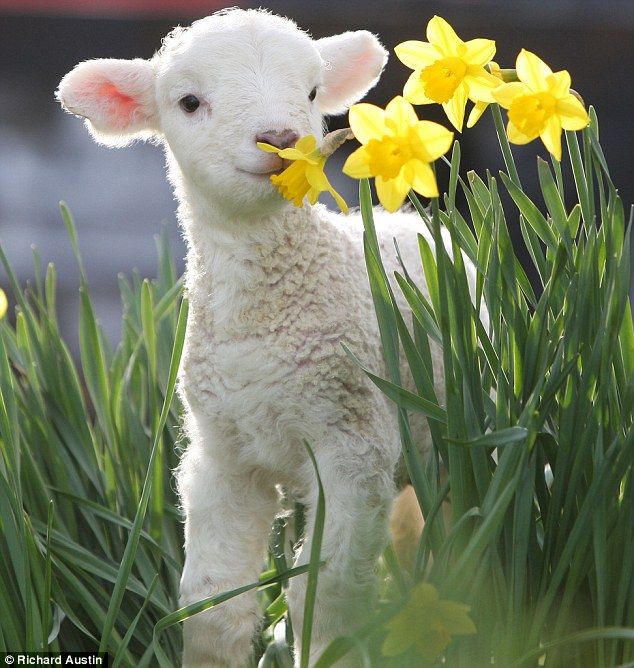
L’agnello, da “Songs of Innocence”, William Blake

Piccolo agnello chi ti fece?
Lo sai tu chi ti fece
ti diede vita e ti invitò a nutrirti
accanto al ruscello e sopra il prato;
ti diede abiti deliziosi,
i più morbidi abiti di lana brillante;
ti diede una voce così tenera,
che fa gioire tutte le valli!
Piccolo agnello chi ti fece?
Tu sai chi ti fece?

Piccolo agnello, te lo dirò,
Piccolo agnello, te lo dirò!
Egli viene chiamato col tuo nome,
poiché chiama se stesso Agnello:
è docile e mite;
divenne un piccolo bambino:
io un bambino e tu un agnello,
siamo chiamati col suo nome.
Piccolo agnello, Dio ti benedica!

The Lamb

Little Lamb who made thee?
Dost thou know who made thee
gave thee life, and bid thee feed
by the stream and o’er the mead;
gave thee clothing of delight,
softest clothing wooly bright;
gave thee such a tender voice,
making all the vales rejoice!
Little Lamb who made thee?
Dost thou know who made thee?

Little Lamb I’ll tell thee,
little Lamb I’ll tell thee!
He is called by thy name,
for he calls himself a Lamb:
he is meek and he is mild,
he became a little child:
I a child and thou a lamb,
we are called by his name.
Little Lamb, God bless thee!
little Lamb, God bless thee!

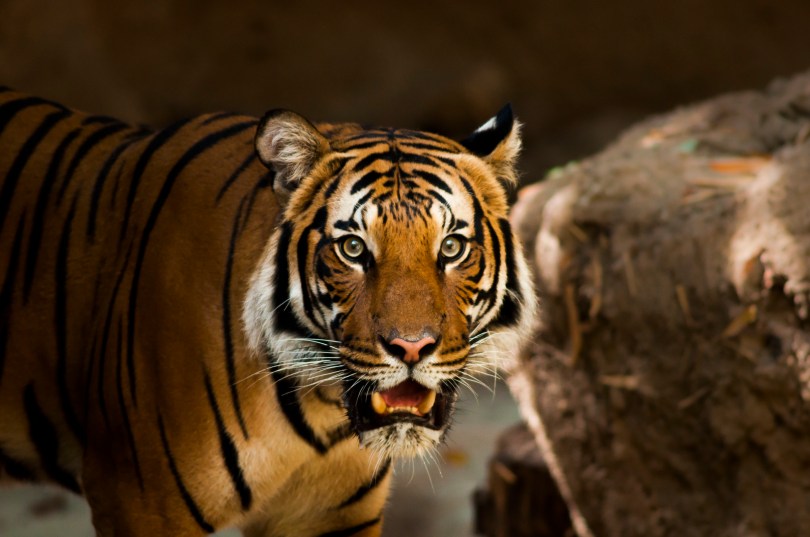
La tigre, da “Songs of Experience”, William Blake

Tigre! Tigre! Divampante fulgore
Nelle foreste della notte,
Quale fu l’immortale mano o l’occhio
Ch’ebbe la forza di formare la tua agghiacciante simmetria?

In quali abissi o in quali cieli
Accese il fuoco dei tuoi occhi?
Sopra quali ali osa slanciarsi?
E quale mano afferra il fuoco?

Quali spalle, quale arte
Poté torcerti i tendini del cuore?
E quando il tuo cuore ebbe il primo palpito,
Quale tremenda mano? Quale tremendo piede?

Quale mazza e quale catena?
Il tuo cervello fu in quale fornace?
E quale incudine?
Quale morsa robusta osò serrarne i terrori funesti?

Mentre gli astri perdevano le lance tirandole alla terra
e il paradiso empivano di pianti?
Fu nel sorriso che ebbe osservando compiuto il suo lavoro,
Chi l’Agnello creò, creò anche te?

Tigre! Tigre! Divampante fulgore
Nelle foreste della notte,
Quale mano, quale immortale spia
Osa formare la tua agghiacciante simmetria?

(Trad. di Giuseppe Ungaretti)

The Tyger

Tyger, Tyger, burning bright
In the forests of the night,
What immortal hand or eye
Could frame the fearful symmetry?

In what distant deeps or skies
Burnt the fire of thine eyes?
On what wings dare he aspire?
What the hand dare sieze the fire?

And what shoulder, & what art,
Could twist the sinews of thy heart?
And when thy heart began to beat,
What dread hand? & what dread feet?

What the hammer? what the chain,
In what furnace was thy brain?
What the anvil? what dread grasp
dare its deadly terrors clasp?

When the stars threw down their spears
And water’d heaven with their tears.
Did he smile his work to see?
Did he who made the Lamb make thee?

Tyger, Tyger, burning bright
In the forests of the night,
What immortal hand or eye
Dare frame thy fearful symmetry?