Questo poeta della dinastia Song è così infelice. Il vento sospira tra gli alberi, un cigno solitario passa là in alto, e lui è solo nella sua barchetta, sull’acqua.
Se soltanto apprezzasse quanto me la vita nella Cina dell’undicesimo secolo: niente cartoni animati a tutto volume in tv, niente musica dal camioncino dei gelati,
solamente il richiamo orgoglioso degli uccelli e lo scorrere regolare di un orologio ad acqua.
(Traduzione di Franco Nasi)
Liu Yung
This poet of the Sung dynasty is so miserable. The wind sighs around the trees, a single swan passes overhead, and he is alone on the water in his skiff.
If only he appreciated life in eleventh-century China as much as I do – no loud cartoons on television, no music from the ice cream truck,
just the calls of elated birds and the steady flow of the water clock.
_______________________________________
Hungarian Rhapsody No.2 (with Cateen Cadenza) – Composed by Franz Liszt(+ Tom and Jerry: The Cat Concerto) – Première1 dic 2020
Scrivo questo su una striscia di corteccia di betulla bianca che ho tagliato da un albero con un temperino. Non c’è altro modo per esprimere adeguatamente l’immensità delle nubi che corrono sulle fattorie e sui laghi fra i boschi dell’Ontario e l’illimitata visibilità che ti offre, su un piatto di portata, l’orizzonte.
E scrivo questo in una canoa di legno, punto di equilibrio in mezzo al lago Couchiching, appoggiando la corteccia di betulla alle ginocchia. Sento le mani del sole sulla schiena nuda, ma penso all’inverno, la neve ammucchiata in tutte le province e alla solennità delle lunghe navi che trasportano grano che passano i freddi mesi ormeggiate a Owen Sound.
O Canada, come dice l’inno, scenario delle mie estati d’infanzia, tu sei il pacchetto di Sweet Caporals sul tavolo. tu sei il morbido fischio di colomba del treno nella notte, tu sei la sedia vuota in fondo al molo vuoto. Tu sei gli scaffali di libri in un cottage sul lago: Dono dal mare di Anne Morrow Lindbergh, Il giardino dei versi di Robert Louis Stevenson, Anna dai capelli rossi di L.M. Montgomery, Allora vai a Parigi! di Clara E. Laughlin, e Pericolo sull’aeroporto, uno della serie Vicky Barr, l’assistente di volo, di Helen Wells che qualcuno ricorderà come autrice delle storie dell’infermiera Cherry Ames.
Che ne è stato delle svenevoli ragazze che trascorrevano le lunghe molli sere estive a leggere Cherry Ames, studentessa infermiera, Cherry Ames infermiera senior, Cherry Ames, capoinfermiera, e Cherry Ames, infermiera del cielo? Dove sono ora, quelle che condividevano le sue avventure di infermiera dei veterani, infermiera personale, infermiera a domicilio, infermiera di crociera, infermiera di notte, infermiera di montagna, infermiera del cittadino in vacanza nel ranch (c’è ben poco che non abbia fatto), infermiera dell’ospizio, infermiera del grande magazzino, infermiera del convitto, infermiera della scuola, infermiera del dottore di campagna?
O Canada, non ti ho dimenticato, e mentre mi inginocchio nella canoa, trattenendo l’immagine di uno scaffale di libri, prego di restare nella tua sconfinata, polare, memoria nordamericana. Tu sei la pagaia, le ciaspole, il cottage fra i pini, tu sei Giovanni di Brébeuf con la sua collana del martirio fatta di teste di scure. Tu sei l’alce nella radura e la testa di alce appesa al muro. Tu sei le rapide, l’elica, la lampada a kerosene. Tu sei la polvere che ricopre le bacche lungo la strada. Ma non solo quello. Tu sei i due ragazzini con i secchi che camminano lungo quella strada e uno di loro, quello più alto senza il cappello di paglia, sono io.
(Traduzione di Franco Nasi)
Billy Collins una volta disse in un’intervista che pensava alla poesia come a un “mezzo di trasporto”. “Entro la fine della poesia, il lettore dovrebbe trovarsi in un posto diverso da dove ha iniziato. Vorrei che alla fine fosse leggermente disorientato, come se lo portassi fuori città di notte e lo lasciassi in un campo di grano”. In effetti questa poesia può essere letta come un viaggio fantasioso. Trasporta il lettore in un altro paese e include dettagli sul luogo mentre esplora questioni di memoria e identità.
Canada
I am writing this on a strip of white birch bark that I cut from a tree with a penknife. There is no other way to express adequately the immensity of the clouds that are passing over the farms and wooded lakes of Ontario and the endless visibility that hands you the horizon on a platter.
I am also writing this in a wooden canoe, a point of balance in the middle of Lake Couchiching, resting the birch bark against my knees. I can feel the sun’s hands on my bare back, but I am thinking of winter, snow piled up in all the provinces and the solemnity of the long grain-ships that pass the cold months moored at Owen Sound.
O Canada, as the anthem goes, scene of my boyhood summers, you are the pack of Sweet Caporals on the table, you are the dove-soft train whistle in the night, you are the empty chair at the end of an empty dock. You are the shelves of books in a lakeside cottage: Gift from the Sea by Anne Morrow Lindbergh, A Child’s Garden of Verses by Robert Louis Stevenson, Ann of Avonlea by L. M. Montgomery, So You’re Going to Paris! by Clara E. Laughlin, and Peril Over the Airport, one of the Vicky Barr Flight Stewardess series by Helen Wills whom some will remember as the author of the Cherry Ames Nurse stories.
What has become of the languorous girls who would pass the long limp summer evenings reading Cherry Ames, Student Nurse, Cherry Ames, Senior Nurse, Cherry Ames, Chief Nurse, and Cherry Ames, Flight Nurse? Where are they now, the ones who shared her adventures as a veterans’ nurse, private duty nurse, visiting nurse, cruise nurse, night supervisor, mountaineer nurse, dude ranch nurse (there is little she has not done), rest home nurse, department store nurse, boarding school nurse, and country doctor’s nurse?
O Canada, I have not forgotten you, and as I kneel in my canoe, beholding this vision of a bookcase, I pray that I remain in your vast, polar, North American memory. You are the paddle, the snowshoe, the cabin in the pines. You are Jean de Brébeuf with his martyr’s necklace of hatchet heads. You are the moose in the clearing and the moosehead on the wall. You are the rapids, the propeller, the kerosene lamp. You are the dust that coats the roadside berries. But not only that. You are the two boys with pails walking along that road, and one of them, the taller one minus the straw hat, is me.
Billy Collins, “Canada” from The Art of Drowning (1995)
_______________________________
This performance, by the Chamber Orchestra of Europe and the director Yannick Nézet-Séguin, was recorded the 07/02/2017 in the Grande Salle Pierre Boulez to the Philharmonie de Paris – 26 feb 2017
Oggi ci siamo svegliati con una rivoluzione di neve, le sue bianche bandiere sventolavano su tutto, il paesaggio svanisce, non un topo punteggia la vacuità, e oltre queste finestre
gli edifici pubblici soffocati, scuole e biblioteche sepolte, l’ufficio postale perso sotto il turbine silenzioso, le strade dei treni dolcemente interrotte, il mondo caduto sotto questo cadere.
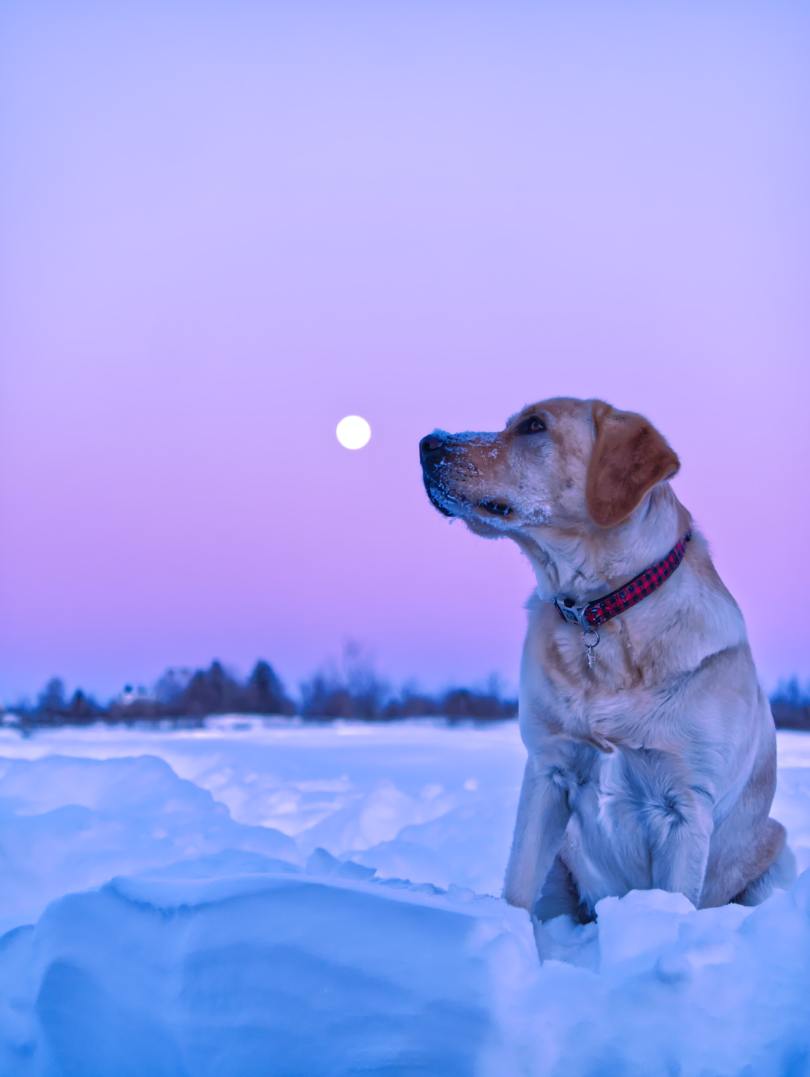
Tra poco infilerò degli stivali e uscirò come uno che cammina sull’acqua, e il cane salterà come un delfino tra i mucchi, e io scuoterò un ramo carico e farò cadere su noi due una fredda doccia.
Ma per ora sono prigioniero volontario in questa casa, un simpatizzante della causa anarchica della neve. Mi farò un bricco di tè e ascolterò la radio di plastica sul piano della cucina, felice come tutti di sentire la notizia che la Scuola dei Bambini dell’Angolo è chiusa, la Scuola Din Don, chiusa, la Scuola Tutti a Bordo, chiusa, l’Asilo nido Hi-Ho, chiuso, insieme con – a qualcuno farà piacere saperlo –
la Scuola Il Fungo, la Piccola Scuola, l’Asilo Nido I Piccoli Passeri, la Scuola per l’Infanzia Le Stelline, la Scuola a tempo pieno Piselli e Carote, il centro per il bambino Pollicino, tutti chiusi, e – applausi – la Scuola Ricreativa Noccioline.
Allora è qui dove i bambini si nascondono di giorno. Sono questi i nidi dove scrivono a stampatello e disegnano, dove indossano le loro vivaci giacche in miniatura, dove tutti sfrecciano, scalano e scivolano, tutti tranne qualche bambina che bisbiglia accanto alla staccionata.
E ora ascolto attento nel grandioso silenzio della neve, e mi sforzo di sentire quel che le tre bambine complottano, quale rivolta è in arrivo, quale reginetta sta per essere scalzata.
(Traduzione di Franco Nasi)
Snow Day
Today we woke up to a revolution of snow, its white flag waving over everything, the landscape vanished, not a single mouse to punctuate the blankness, and beyond these windows
the government buildings smothered, schools and libraries buried, the post office lost under the noiseless drift, the paths of trains softly blocked, the world fallen under this falling.
In a while, I will put on some boots and step out like someone walking in water, and the dog will porpoise through the drifts, and I will shake a laden branch sending a cold shower down on us both.
But for now I am a willing prisoner in this house, a sympathizer with the anarchic cause of snow. I will make a pot of tea and listen to the plastic radio on the counter, as glad as anyone to hear the news
that the Kiddie Corner School is closed, the Ding-Dong School, closed. the All Aboard Children’s School, closed, the Hi-Ho Nursery School, closed, along with—some will be delighted to hear—
the Toadstool School, the Little School, Little Sparrows Nursery School, Little Stars Pre-School, Peas-and-Carrots Day School the Tom Thumb Child Center, all closed, and—clap your hands—the Peanuts Play School.
So this is where the children hide all day, These are the nests where they letter and draw, where they put on their bright miniature jackets, all darting and climbing and sliding, all but the few girls whispering by the fence.
And now I am listening hard in the grandiose silence of the snow, trying to hear what those three girls are plotting, what riot is afoot, which small queen is about to be brought down.
_____________________________________
Chris Rea – “Winter Song” from the compilation album “Still So Far to Go: The Best of Chris Rea” 2009
Mi chiedo che n’è stato di tutte quelle alte astrazioni che posavano, agghindate e statuarie, nei dipinti e sfilavano in parata nelle pagine del Rinascimento sfoggiando le loro lettere maiuscole come targhe d’automobili.
Verità che andava al piccolo galoppo su un potente cavallo, Castità, con lo sguardo abbassato, che armeggiava con i veli. Ciascuna era un marmo messo in vita, un pensiero in un cappotto, Cortesia che si inchinava con una mano sempre protesa,
Malvagità che affilava uno strumento dietro un muro, Ragione con la corona e Coerenza vigile dietro al timone. Sono tutte in pensione ora, relegate in una Florida per tropi. Giustizia è là, in piedi accanto a un frigo aperto.
Coraggio è sdraiato a letto ad ascoltare la pioggia. Anche Morte non ha niente da fare, solo rammendare mantello e cappuccio, e tutti i loro oggetti di scena sono chiusi a chiave in un magazzino, clessidre, globi, bende e ceppi.
Anche se tu le richiamassi in servizio, non avrebbero più un posto dove andare, né Giardini della Gioia, né Pergolati della Felicità, la Valle del Perdono è solcata da condomini, e le motoseghe ululano nella Selva della Disperazione.
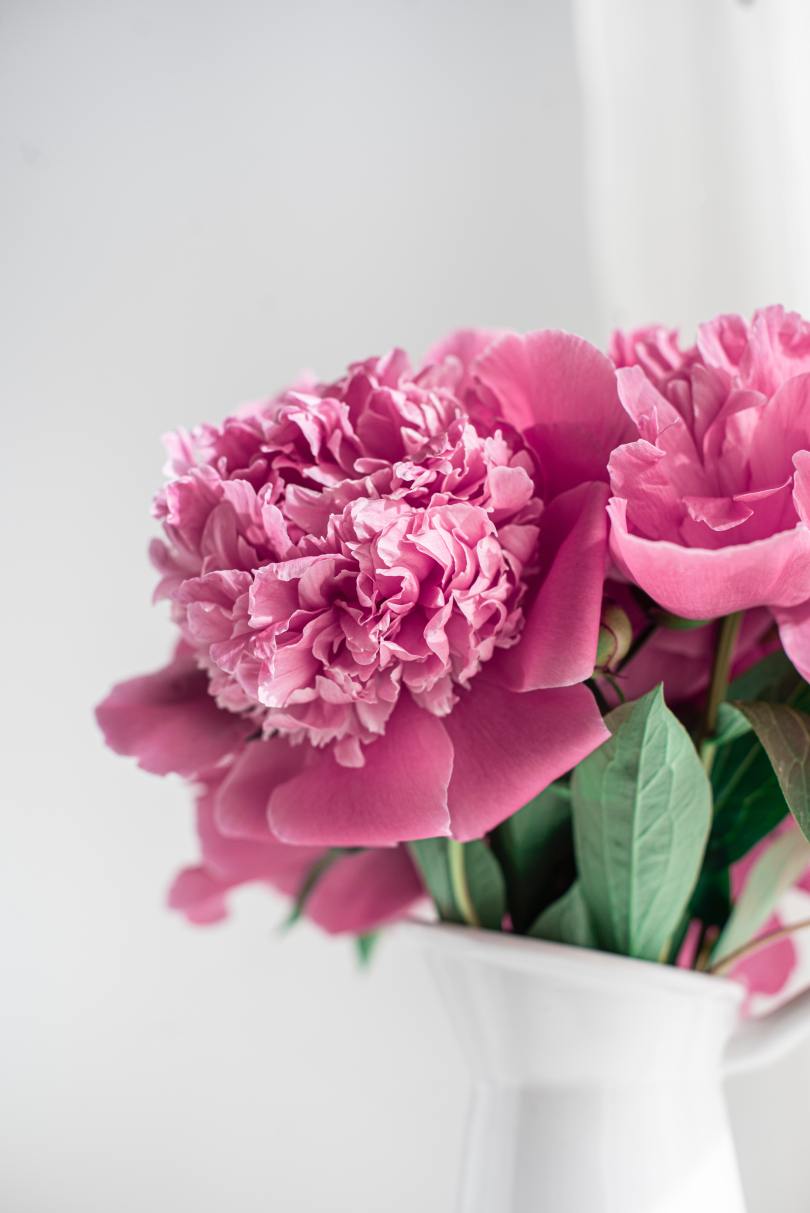
Qui, sul tavolo, vicino alla finestra c’è un vaso di peonie e accanto un binocolo nero e un fermaglio per i soldi, proprio il tipo di cose che oggi preferiamo, oggetti che si dispongono quieti su un verso con lettere minuscole,
proprio loro e nient’altro, una carriola, una cassetta postale vuota, una lametta lasciata in un portacenere di vetro. Quanto alle altre, le grandi idee a cavallo e le virtù dai lunghi capelli in vesti ricamate,
sembra che abbiano perso la strada che vedi nell’ultima pagina dei libri di storie, quella che sale su per la collina verde e scompare in una valle invisibile dove tutti devono essere immersi nel sonno.
(Traduzione di Franco Nasi)
“La morte di allegoria” è una poesia riflessiva e ironica che si concentra sullo stile allegorico del Rinascimento, presente in dipinti e testi, dove persone, oggetti e cose sono simboli e portano un significato figurativo. È anche una poesia di riflessione sul cambiamento e la moda nelle arti e nella società: com’è tipico di Billy Collins, contiene arguzia, fascino e intelligenza giocosa, insieme a immagini vivide e umorismo.
The Death of Allegory
I am wondering what became of all those tall abstractions that used to pose, robed and statuesque, in paintings and parade about on the pages of the Renaissance displaying their capital letters like license plates.
Truth cantering on a powerful horse, Chastity, eyes downcast, fluttering with veils. Each one was marble come to life, a thought in a coat, Courtesy bowing with one hand always extended,
Villainy sharpening an instrument behind a wall, Reason with her crown and Constancy alert behind a helm. They are all retired now, consigned to a Florida for tropes. Justice is there standing by an open refrigerator.
Valor lies in bed listening to the rain. Even Death has nothing to do but mend his cloak and hood, and all their props are locked away in a warehouse, hourglasses, globes, blindfolds and shackles.
Even if you called them back, there are no places left for them to go, no Garden of Mirth or Bower of Bliss. The Valley of Forgiveness is lined with condominiums and chain saws are howling in the Forest of Despair.
Here on the table near the window is a vase of peonies and next to it black binoculars and a money clip, exactly the kind of thing we now prefer, objects that sit quietly on a line in lower case,
themselves and nothing more, a wheelbarrow, an empty mailbox, a razor blade resting in a glass ashtray. As for the others, the great ideas on horseback and the long-haired virtues in embroidered gowns,
it looks as though they have traveled down that road you see on the final page of storybooks, the one that winds up a green hillside and disappears into an unseen valley where everyone must be fast asleep.
E’ una di quelle mattine primaverili – la candida luce del sole a rischiarare l’aria, una brezza che arruffa i fiori – che mi fanno venir voglia di cominciare una storia del tempo, un’elegia in dieci volumi delle atmosfere del passato, delle buste in movimento attorno al globo in movimento.
Si aprirà con l’analisi dei cirri, che passano ora su questa casa diretti allo Stato accanto, e ogni capitolo andrà a ritroso nel tempo, per descrivere la pioggia che cadde sui campi di battaglia, e i venti che assistettero a decapitazioni, a incoronazioni.
Si studieranno le raffiche di neve nella Londra vittoriana assieme ai forti venti che facevano volare i cappelli nel Rinascimento. Si spiegheranno i tornado del Medioevo e i lunghi giorni nuvolosi dei Secoli Bui. Ci sarà una sezione sulle notti ghiacciate dell’antichità e sulla calura che riluceva nei deserti della Bibbia.
Lo studio sarà lodato perché ambizioso e definitivo, e parlerà perfino del clima prima del Diluvio quando la pioggia bagnava l’Eden, e finirà con i misteri del meteo prima della storia quando nubi non viste vagavano su un mondo spopolato, quando non c’era neppure un’anima sdraiata, in una valletta, a guardare in alto ai visi enormi e alle forme animali che passavano, con la giacca appallottolata come cuscino, e sul petto un libro aperto.
(Traduzione di Franco Nasi)
A History of Weather
It is the kind of spring morning – candid sunlight elucidating the air, a flower-ruffling breeze – that makes me want to begin a history of weather, a ten-page volume elegy for the atmospheres of the past, the envelopes that have moved around the moving globe.
It will open by examining the cirrus clouds that are now sweeping over this house into the next state, and every chapter will step backwards in time to illustrate the rain that fell on battlefields and the winds that attended beheadings, coronations.
The snow flurries of Victorian London will be surveyed along with the gales that blew off Renaissance caps. The tornadoes of the Middle Ages will be explicated and the long, overcast days of the Dark Ages. There will be a section on the frozen nights of antiquity and on the heat that shimmered in the deserts of the Bible.
The study will be hailed as ambitious and definitive, for it will cover even the climate before the Flood when showers moistened Eden and will conclude with the mysteries of the weather before history when unseen clouds drifted over an unpeopled world, when not a soul lay in any of earth’s meadows gazing up at the passing of enormous faces and animal shapes, his jacket bunched into a pillow, an open book on his chest.
___________________________________________
Teodor Currentzis | Tschaikowsky: Sinfonie Nr. 5 e-Moll | SWR Symphonieorchester– Liederhalle Stuttgart, Dezember 2018
Non posso lasciarti senza dire questo:
il passato non è nulla,
una nonmemoria, un fantasma,
un ripostiglio insonorizzato in cui Johann Strauss
compone un altro valzer che nessuno può ascoltare.
E’ un’invenzione, da dimenticare,
una fonte di dolore
che irriga un campo di verdura amara.
Lasciatelo dietro.
Togli la testa dalle mani
e alzati dal divano della malinconia
dove la luce della finestra cade sul tuo volto
e il sole corre lungo il cielo autunnale,
ferreo dietro gli alberi spogli,
glorioso come le acute melodie dei violini.
Ma dimentica Strauss.
E dimentica il suo più giovane fratello,
quel povero Cristo che morì cadendo
dal podio mentre dirigeva una sinfonia.
Dimentica il passato,
dimentica il pubblico in piedi, sbalordito,
l’assurdità dei loro abiti formali
di fronte alla morte improvvisa,
dimentica il loro trattenere il fiato,
il mormorio e l’accalcarsi sul corpo,
il cigolio del sipario che si abbassa.
Dimentica Strauss
con quel suo sguardo da bis
e la sua infaticabile laboriosità:
più di cinquecento composizioni finite!
Scrisse perfino una polka per la madre.
Anche solo quello è sufficiente per farmi fuggire il passato,
allontanarmi dai suo templi,
e camminare da solo sotto le stelle
lungo questi sentieri ricoperti di ghiande,
non sentendo altro che la frizzante aria d’ottobre,
l’oscillare delle mie braccia
e il ritmo dei miei passi:
un uomo del presente che si è dimenticato
di ogni compositore, di ogni grande battaglia,
solamente io,
una canna sottile che soffia nella notte.
(Traduzione di Franco Nasi)
Some Final Words
I cannot leave you without saying this:
the past is nothing,
a nonmemory, a phantom,
a soundproof closet in which Johann Strauss
is composing another waltz no one can hear.
It is a fabrication, best forgotten,
a wellspring of sorrow
that waters a field of bitter vegetation.
Leave it behind.
Take your head out of your hands
and arise from the couch of melancholy
where the window-light falls against your face
and the sun rides across the autumn sky,
steely behind the bare trees,
glorious as the high strains of violins.
But forget Strauss.
And forget his younger brother,
the poor bastard who was killed in a fall
from a podium while conducting a symphony.
Forget the past,
forget the stunned audience on his feet,
the absurdity of their formal clothes
in the face of sudden death,
forget their collective gasp,
the murmur and huddle over the body,
the creaking of the lowered curtain.
Forget Strauss
with that encore look in his eye
and his tiresome industry:
more than five hundred finished compositions!
He even wrote a polka for his mother.
That alone is enough to make me flee the past,
evacuate his temples,
and walk alone under the stars
down these dark paths strewn with acorns,
feeling nothing but the crisp October air,
the swing of my arms
and the rhythm of my stepping –
a man of the present who has forgotten
every composer, every great battle,
just me,
a thin reed blowing in the night.
_________________________________________
Johann Strauss II – Tritsch-Tratsch-Polka, Op. 214 The Simón Bolívar Symphony Orchestra of Venezuela conducted by Gustavo Dudamel Recorded at Carnegie Hall (New York, USA), on October 7, 2016
Nel tentativo di proteggere l’innocenza degli studenti disse loro che l’Era glaciale in verità era solo l’Età del freddo, un periodo di un milione d’anni in cui tutti dovevano portare il maglione.
E l’Età della pietra divenne l’Età della ghiaia, nome ripreso dai lunghi vialetti di casa di quel tempo.
L’Inquisizione spagnola non fu altro che una valanga di domande come “Che distanza c’è da qui a Madrid?” “Come si chiama il cappello di un matador?”.
La Guerra delle Rose ebbe luogo in un giardino e l’Enola Gay sganciò un piccolo atomo sul Giappone.
I bambini lasciavano la sua classe per il campo giochi, per tormentare lì i più deboli e i più bravi, arruffandone i capelli o spaccandogli gli occhiali,
mentre lui raccoglieva gli appunti e s’incamminava verso casa oltre le aiuole di fiori e le bianche staccionate, chiedendosi se avrebbero creduto che i soldati nella Guerra dei Boeri sparavano cioccolatini in modo da addolcire i nemici.
(Traduzione di Franco Nasi)
The History Teacher
Trying to protect his students’ innocence he told them the Ice Age was really just the Chilly Age, a period of a million years when everyone had to wear sweaters.
And the Stone Age became the Gravel Age, named after the long driveways of the time.
The Spanish Inquisition was nothing more than an outbreak of questions such as “How far is it from here to Madrid?” “What do you call the matador’s hat?”
The War of the Roses took place in a garden, and the Enola Gay dropped one tiny atom on Japan.
The children would leave his classroom for the playground to torment the weak and the smart, mussing up their hair and breaking their glasses,
while he gathered up his notes and walked home past flower beds and white picket fences, wondering if they would believe that soldiers in the Boer War told long, rambling stories designed to make the enemy nod off.
______________________________
Jarrod Radnich Game of Thrones Medley — Virtuosic Piano Solo
Dicono che porti iella a una poesia parlarne prima che sia finita. Se la lasci andare troppo presto, avvertono, la tua poesia volerà via, e questa volta hanno davvero ragione.
Prendi quella sera in cui ti dissi che volevo scrivere sui pazzi, come li chiamano sbrigativi i giornali, che attaccano l’arte, non con recensioni, ma con coltelli da cucina e martelli nei tranquilli musei di Praga e Amsterdam.
In verità, sono loro i veri artisti, dicesti, facendo girare il ghiaccio nel bicchiere. Il cacciavite è il loro pennello. Sono i restauratori i veri vandali, continuasti, facendo rigirare me lentamente, quelli coi camici bianchi sempre intenti a chiudere la ferita nel paesaggio e rovinare l’arte dei pazzi.
Vidi la mia poesia librarsi verso l’ingresso del bar e lì volteggiare in aria finché entrò un nuovo cliente – allora la vidi volar fuori dalla porta nella notte e far vela, potevo solo immaginarlo, sopra scuri condomini della città.
Tutto quel che volevo dire è che anche l’arte è breve, come può insegnare un rasoio con un taglio alla cieca; sembra lunga solo se la confronti alla vita, ma quella notte tornai a casa da solo senza che nulla dondolasse nella gabbia del mio cuore se non la debole speranza di cogliere nel ventaglio dei fanali un barlume della cosa, forse appollaiato su un cartello stradale o un lampione – povero uccello non scritto, con le ali ripiegate, che mi fissa dall’alto, coi suoi piccoli occhi illuminati.
(Traduzione di Franco Nasi)
Madmen
They say you can jinx a poem if you talk about it before it is done. If you let it out too early, they warn, your poem will fly away, and this time they are absolutely right.
Take the night I mentioned to you I wanted to write about the madmen, as the newspapers so blithely call them, who attack art, not in reviews, but with breadknives and hammers in the quiet museums of Prague and Amsterdam.
Actually, they are the real artists, you said, spinning the ice in your glass. The screwdriver is their brush. The real vandals are the restorers, you went on, slowly turning me upside-down, the ones in the white doctor’s smocks who close the wound in the landscape, and thus ruin the true art of the mad.
I watched my poem fly down to the front of the bar and hover there until the next customer walked in– then I watched it fly out the open door into the night and sail away, I could only imagine, over the dark tenements of the city.
All I had wished to say was that art was also short, as a razor can teach with a slash or two, that it only seems long compared to life, but that night, I drove home alone with nothing swinging in the cage of my heart except the faint hope that I might catch a glimpse of the thing in the fan of my headlights, maybe perched on a road sign or a street lamp, poor unwritten bird, its wings folded, staring down at me with tiny illuminated eyes.
___________________________
CRAZY Bach Double Violin Concerto Encore Ray Chen and his conductor friends Diego Matheuz and Christian Vasquez
Voglio che le forbici siano affilate e il tavolo perfettamente pari quando mi taglierai fuori dalla mia vita e m’incollerai in quel libro che porti sempre con te.
(Traduzione di Franco Nasi)
Vade Mecum
I want the scissors to be sharp and the table to be perfectly level when you cut me out of my life and paste me in that book you always carry.
____________________________
A New Satiesfaction by Made in Berlin Erik Satie Gymnopedie arrangement feauring: Ray Chen, violin Noah Bendix-Balgley, violin Amihai Grosz, viola Stephan Koncz, cello







 nonsolobiancoenero