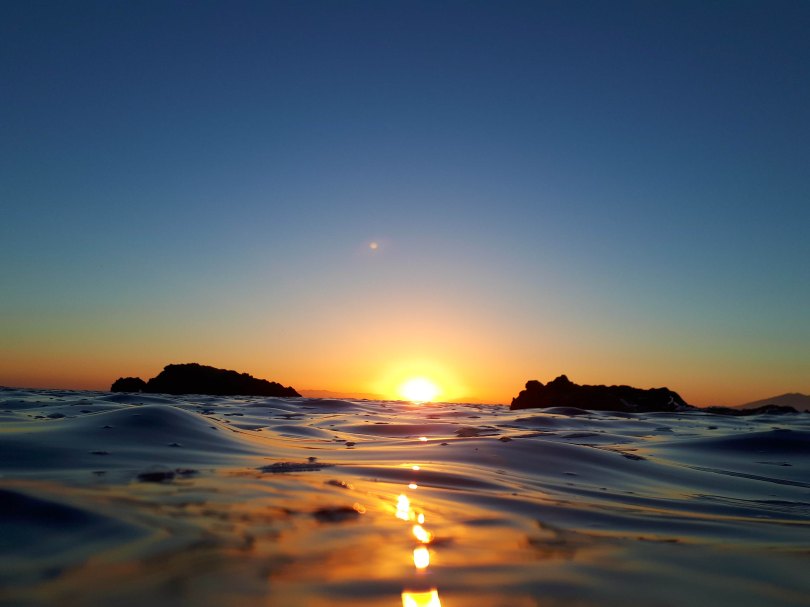
Non sapendo quando l’alba verrà, Emily Dickinson

Non sapendo quando l’alba verrà,
apro tutte le porte –
che abbia piume, come un uccello,
o onde, come una spiaggia.

(Trad. di Massimo Bacigalupo)

Not knowing when the Dawn will come

Not knowing when the Dawn will come,
I open every Door,
Or has it Feathers, like a Bird,
Or Billows, like a Shore –

Magnificat, da “Poesias de Álvaro de Campos” (1933), Fernando Pessoa

Quando passerà questa notte interna, l’universo,
e io, l’anima mia, avrò il mio giorno?
Quando mi desterò dall’essere desto?
Non so. Il sole brilla alto:
impossibile guardarlo.
Le stelle ammiccano fredde:
impossibile contarle.
Il cuore batte estraneo:
impossibile ascoltarlo.
Quando finirà questo dramma senza teatro,
o questo teatro senza dramma,
e potrò tornare a casa?
Dove? Come? Quando?
Gatto che mi fissi con occhi di vita, chi hai là in fondo?
Si, sì, è lui!
Lui, come Giosuè, farà fermare il sole e io mi sveglierò;
e allora sarà giorno.
Sorridi nel sonno, anima mia!
Sorridi anima mia: sarà giorno!

(Traduzione di Antonio Tabucchi)

Magnificat

Quando é que passará esta noite interna, o universo,
E eu, a minha alma, terei o meu dia?
Quando é que despertarei de estar acordado?
Não sei. O sol brilha alto,
Impossível de fitar.
As estrelas pestanejam frio,
Impossíveis de contar.
O coração pulsa alheio,
Impossível de escutar.
Quando é que passará este drama sem teatro,
Ou este teatro sem drama,
E recolherei a casa?
Onde? Como? Quando?
Gato que me fitas com olhos de vida, Quem tens lá no fundo?
É Esse! É esse!
Esse mandará como Josué parar o sol e eu acordarei;
E então será dia.
Sorri, dormindo, minha alma!
Sorri, minha alma: será dia!

Magnificat

When will this inner night – the universe – end
And I – my soul – have my day?
When will I wake up from being awake?
I don’t know. The sun shines on high
And cannot be looked at.
The stars coldly blink
And cannot be counted.
The heart beats aloofly
And cannot be heard.
When will this drama without theater
– Or this theater without drama – end
So that I can go home?
Where? How? When?
O cat staring at me with eyes of life, Who lurks in your depths?
It’s Him! It’s him!
Like Joshua he’ll order the sun to stop, and I’ll wake up,
And it will be day.
Smile, my soul, in your slumber!
Smile, my soul: it will be day!

(Translation: 2006, Richard Zenith
From: A Little Larger Than the Entire Universe: Selected Poems)

Ho portato all’arte, Konstantinos Kavafis

Seduto, sto fantasticando. Desideri e sensazioni
ho portato all’Arte – volti appena intravisti,
tratti accennati: e incerte memorie
d’amori impossibili. Mi affido ad Essa.
Sa raffigurare la Forma della Bellezza:
e riempie quasi inavvertitamente la vita intera
unisce le sensazioni, annoda i giorni.

I’ve Brought to Art

I sit in a mood of reverie.
I brought to Art desires and sensations:
things half-glimpsed,
faces or lines, certain indistinct memories
of unfulfilled love affairs. Let me submit to Art:
Art knows how to shape forms of Beauty,
almost imperceptibly completing life,
blending impressions, blending day with day.

(Translated by Edmund Keeley/Philip Sherrard)

Un albero, una strada, un rospo, da “New Poems Book Two”, Charles Bukowski

Un tavolo da 7, tutti
che ridono forte, senza smettere,
in modo quasi assordante,
ma non c’è gioia nella loro
risata, sembra
meccanica.
Finzione e falsità
avvelenano l’aria.
Sembra che gli altri avventori non lo
notino.
Sono asfissiato dalle risate,
le viscere, il cervello, la mia coscienza,
mi vanno di traverso.
Sogno di prendere una pistola, di
avvicinarmi al tavolo
e di far saltare le loro teste,
una dopo l’altra.
Naturalmente, questo mi renderebbe
ancora più colpevole di
loro.
Eppure, continuo a fantasticare e
poi capisco che pretendo
troppo.
Avrei già dovuto capire
da un pezzo che è così
e basta:
che dappertutto ci sono tavoli da 2,
3,7, 10 o anche più
con gente
che ride senza motivo e
senza gioia,
che ride per niente senza
trasporto,
e che questa è una parte inevitabile
di tutto,
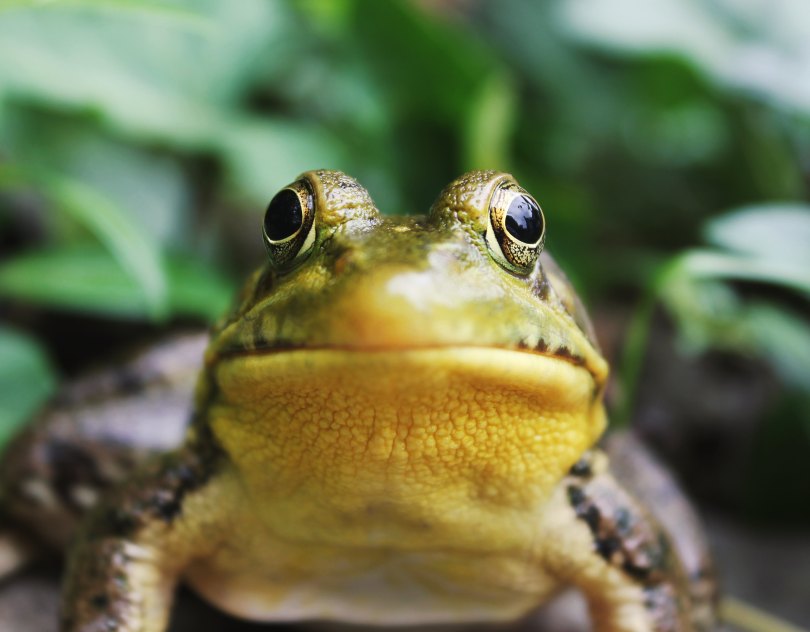
come un albero, una strada, un rospo.

Ordino ancora da bere e
decido di non ucciderli, nemmeno
nella mia immaginazione.

Decido, invece, che sono un
uomo davvero fortunato:
il tavolo è a 7 metri di distanza.
Potrei essere a quel tavolo, seduto
con loro,
vicino alle loro bocche,
vicino ai loro occhi e alle loro orecchie
e alle loro mani,
e sentire realmente la conversazione
che provoca le loro risate
senza gioia.
Mi sono già trovato in molte situazioni simili
ed è stata una dura croce,
davvero.

Così, mi accontento della mia buona sorte
ma non posso fare a meno di chiedermi
se al mondo sia rimasto un angolo
con un tavolo da 7 dove
si provano sentimenti autentici,
dove c’è
una bella risata vera.
Spero di si.
Devo sperare di si.

a tree, a road, a toad

a table of 7, all
laughing loudly, again and again,
almost deafening,
but there is no joy in their
laughter, it seems machine
made.
the pretense and falsity
poison the air.
the other diners seem not to
notice.
I am asphyxiated by the laughter,
my guy, my mind, my very meaning
gag on it.
I dream of taking a gun, of
walking over to the table
and blowing their heads off,
one by one.
of course, this would make me
far more guilty than they
are.
still, i have the thought and
then I realize that I expect too
much.
I should have long ago
realized that this is the way
it is:
that everywhere there are tables of 2,
3, 7, 10 or more
where people
laugh meaninglessly and
without joy,
laugh inanely without
real feeling,
and that this is an inevitable part
of all that,
like a tree, a road, a toad.

I order another drink and
decide not to kill them, even
in my imagination.

I decide, instead, that I am a
very lucky man:
the table is twenty feet away.
I could be at that table, sitting there
with them,
close to their mouths,
close to their eyes and their ears
and their hands,
actually listening to the conversation
which is causing their joyless
laughter.
I have been in many situations before
and it has been one bloody cross,
indeed.

so, I settle for my good fortune
but can’t help but wonder
if there is any place left in the world
with a table of 7 where
there are genuine feelings,
where there is
great and real laughter.
I hope so.
I have to hope so.

Utopia, da “Grande numero” (1976), Wislawa Szymborska

Isola dove tutto si chiarisce.

Qui ci si può fondare su prove.

L’unica strada è quella d’accesso.

Gli arbusti si piegano sotto le risposte.

Qui cresce l’albero della Giusta Ipotesi
Con rami da sempre districati.

Di abbagliante linearità è l’albero del Senno
presso la fonte detta Ah Dunque E’ Così.

Più ti addentri nel bosco, più si allarga
la Valle dell’Evidenza.

Se sorge un dubbio, il vento lo disperde.

L’Eco prende la parola senza farsi chiamare
e chiarisce volenterosa i misteri dei mondi.

A destra una grotta in cui giace il Senso.

A sinistra il lago della Profonda Convinzione.
Dal fondo si stacca la Verità e viene lieve a galla.

Domina sulla valle la Certezza Incrollabile.
Dalla sua cima si spazia sull’Essenza delle Cose.

Malgrado le sue attrattive l’isola è deserta,
e le tenui orme visibili sulle rive
sono tutte dirette verso il mare.

Come se da qui si andasse soltanto via,
immergendosi irrevocabilmente nell’abisso.

Nella vita inconcepibile.

(Traduzione di Pietro Marchesani)

Utopia

Island where all becomes clear.
Solid ground beneath your feet.

The only roads are those that offer access.

Bushes bend beneath the weight of proofs.

The Tree of Valid Supposition grows here
with branches disentangled since time immermorial.

The Tree of Understanding, dazzling straight and simple.
sprouts by the spring called Now I Get It.

The thicker the woods, the vaster the vista:
the Valley of Obviously.

If any doubts arise, the wind dispels them instantly.

Echoes stir unsummoned
and eagerly explain all the secrets of the worlds.

On the right a cave where Meaning lies.

On the left the Lake of Deep Conviction.
Truth breaks from the bottom and bobs to the surface.

Unshakable Confidence towers over the valley.
Its peak offers an excellent view of the Essence of Things.

For all its charms, the island is uninhabited,
and the faint footprints scattered on its beaches
turn without exception to the sea.

As if all you can do here is leave
and plunge, never to return, into the depths.

Into unfathomable life.

From “A large number”, 1976
Translated by S. Baranczak & C. Cavanagh

Tu ti alzi, da “Facile” (1935), Paul Éluard

Tu ti alzi e l’acqua si dispiega
tu ti corichi e l’acqua si schiude
tu sei l’acqua deviata dai suoi abissi
tu sei la terra che mette radici
e sulla quale tutto si costruisce
tu fai bolle di silenzio
nel deserto dei rumori
tu canti inni notturni
sulle funi dell’arcobaleno.
Ovunque tu sei abolisci
tutte le strade
tu sacrifichi il tempo
all’eterna giovinezza
della fiamma esatta
che vela la natura riproducendola.
Donna, tu metti al mondo
un corpo sempre simile al tuo
tu sei la rassomiglianza.

Tu te lèves…

Tu te lèves l’eau se déplie
Tu te couches l’eau s’épanouit

Tu es l’eau détournée de ses abîmes
Tu es la terre qui prend racine
Et sur laquelle tout s’établit

Tu fais des bulles de silence dans le désert des bruits
Tu chantes des hymnes nocturnes sur les cordes de l’arc-en-ciel
Tu es partout tu abolis toutes les routes

Tu sacrifies le temps
À l’éternelle jeunesse de la flamme exacte
Qui voile la nature en la reproduisant

Femme tu mets au monde un corps toujours pareil
Le tien

Tu es la ressemblance

Mare lontano, Pedro Salinas

Se non è il mare, è la sua immagine,
la sua figura, rovesciata, nel cielo.

Se non è il mare, è la sua voce
sottile,
attraverso il vasto mondo,
amplificata dal vento.

Se non è il mare, è il suo nome
in una lingua senza labbra,
senza luogo,
senza altra parola che questa:
mare.

Se non è il mare, è la sua idea
di fuoco, impenetrabile, pura;
e io,
ardente, affogo in lei.

Mar distante

Si no es el mar, si es su imagen,
su estampa, vuelta, en el cielo.
Si no es el mar, si es tu voz
delgada,
a través del ancho mundo,
en altavoz, por los aires.
Si no es el mar, si es su nombre
en un idioma sin labios,
sin pueblo,
sin más palabra que ésta:
mar.
Si no es el mar, si es su idea
de fuego, insondable, limpia;
y yo,
ardiendo, ahogándome en ella.

Splash, da “Betting on the Muse (1996)”, Charles Bukowski

L’illusione è che tu semplicemente
stia leggendo questa poesia.
la realtà è che questa è
più di una poesia.
questo è il coltello di un accattone.
è un tulipano.
è un soldato che marcia
attraverso Madrid.
questo sei tu sul tuo
letto di morte.
questo è Li Po che ride
sottoterra.
no, non è una dannata poesia.
è un cavallo che dorme.
una farfalla dentro
il tuo cervello.
questo è il circo
del diavolo.
e non la stai leggendo
su una pagina.
è la pagina che legge
te.
la senti?
è come un cobra. è un’aquila affamata
che sorvola la stanza.
questa non è una poesia.
la poesia è barbosa,
ti fa venire
sonno.
queste parole ti incitano
a una nuova
follia.
ti ha toccato la grazia,
sei stato spinto dentro una
abbacinante regione di
luce.
adesso l’elefante
sogna insieme
a te.
la volta dello spazio
curva e ride.
adesso puoi morire.
tu puoi morire adesso come
si doveva morire da uomini:
grande,
vittorioso,
con l’orecchio alla musica,
essendo tu la musica,
che romba,
romba,
romba.

Splash

the illusion is that you are simply
reading this poem.
the reality is that this is
more than a
poem.
this is a beggar’s knife.
this is a tulip.
this is a soldier marching
through Madrid.
this is you on your
death bed.
this is Li Po laughing
underground.
this is not a god-damned
poem.
this is a horse asleep.
a butterfly in
your brain.
this is the devil’s
circus.
you are not reading this
on a page.
the page is reading
you.
feel it?
it’s like a cobra. it’s a hungry eagle circling the room.

this is not a poem. poems are dull,
they make you sleep.

these words force you
to a new
madness.

you have been blessed, you have been pushed into a
blinding area of
light.

the elephant dreams
with you
now.
the curve of space
bends and
laughs.

you can die now.
you can die now as
people were meant to
die:
great,
victorious,
hearing the music,
being the music,
roaring,
roaring,
roaring.

L’eternità, Arthur Rimbaud

È ritrovata.
Che cosa? L’Eternità.
È il mare andato
col sole.

Anima sentinella,
mormoriamo la confessione
della notte così nulla
e del giorno infuocato.

Dagli umani suffragi,
dagli slanci comuni
là ti liberi
e voli dove vuoi.

Poiché soltanto da voi,
o braci di raso,
il dovere si esala
senza che si dica: finalmente.

Là, nessuna speranza,
nessun orietur.
Scienza con pazienza,
il supplizio è sicuro.

È ritrovata.
Che cosa? L’Eternità.
È il mare andato
col sole.

L’eternité

Elle est retrouvée.
Quoi ? – L’Eternité.
C’est la mer allée
Avec le soleil.

Ame sentinelle,
Murmurons l’aveu
De la nuit si nulle
Et du jour en feu.

Des humains suffrages,
Des communs élans
Là tu te dégages
Et voles selon.

Puisque de vous seules,
Braises de satin,
Le Devoir s’exhale
Sans qu’on dise : enfin.

Là pas d’espérance,
Nul orietur.
Science avec patience,
Le supplice est sûr.

Elle est retrouvée.
Quoi ? – L’Eternité.
C’est la mer allée
Avec le soleil.

Attesa, Raymond Carver

Esci dalla statale a sinistra e
scendi giù dal colle. Arrivato
in fondo, gira ancora a sinistra.
Continua sempre a sinistra. La strada
arriva a un bivio. Ancora a sinistra.
C’è un torrente, sulla sinistra.
Prosegui. Poco prima
della fine della strada incroci
un’altra strada. Prendi quella
e nessun’altra. Altrimenti
ti rovinerai la vita
per sempre. C’è una casa di tronchi
con il tetto di tavole, a sinistra.
Non è quella che cerchi. É quella
appresso, subito dopo
una salita. La casa
dove gli alberi sono carichi
di frutta. Dove flox, forsizia e calendula
crescono rigogliose. É quella
la casa dove, in piedi sulla soglia,
c’è una donna
con il sole nei capelli. Quella
che è rimasta in attesa
fino ad ora.
La donna che ti ama.
L’unica che può dirti:
“Come mai ci hai messo tanto?”

(Traduzione di Riccardo Duranti e Francesco Durante)

Waiting

Left off the highway and
down the hill. At the
bottom, hang another left.
Keep bearing left. The road
will make a Y. Left again.
There’s a creek on the left.
Keep going. Just before
the road ends, there’ll be
another road. Take it
and no other. Otherwise,
your life will be ruined
forever. There’s a log house
with a shake roof, on the left.
It’s not that house. It’s
the next house, just over
a rise. The house
where trees are laden with
fruit. Where phlox, forsythia,
and marigold grow. It’s
the house where the woman
stands in the doorway
wearing the sun in her hair. The one
who’s been waiting
all this time.
The woman who loves you.
The one who can say,
“What’s kept you?”

From All of Us: The Collected Poems (Alfred A. Knopf)