Ode all’allegria, da “Odi elementari”, Pablo Neruda

Allegria,
foglia verde
caduta sulla finestra,
minuscola
chiarità
appena nata,
elefante sonoro
abbagliante
moneta,
a volte
fragile raffica,
o
piuttosto
pane permanente,
speranza compiuta,
dovere svolto.
Ti disdegnai, allegria.
Fui mal consigliato.
La luna
mi portò per i suoi cammini.
Gli antichi poeti
mi prestarono occhiali
e posi
vicino ad ogni cosa
un nimbo oscuro,
sul fiore una corona nera,
sulla bocca amata
un triste bacio.
È ancora presto.
Lascia che mi penta.
Pensai che solamente
se il mio cuore
avesse bruciato
il rovo del tormento,
se la pioggia avesse bagnato
il mio vestito
nella regione violacea del lutto,
se avessi chiuso
gli occhi alla rosa
e toccato la ferita,
se avessi diviso tutti i dolori,
avrei aiutato gli uomini.
Non fui giusto.
Sbagliai i miei passi
ed oggi ti chiamo, allegria.

Come la terra
sei
necessaria.

Come il fuoco
sostieni
i focolari.

Come il pane
sei pura.

Come l’acqua d’un fiume
sei sonora.

Come un’ape
distribuisci miele volando.

Allegria,
fui un giovane taciturno,
credetti che la tua chioma
fosse scandalosa.

Non era vero, me ne resi conto
quando sul mio petto
essa si sciolse in cascata.

Oggi, allegria,
incontrata per strada,
lontano da ogni libro,
accompagnami:

con te
voglio andare di casa in casa,
voglio andare di gente in gente,
di bandiera in bandiera.
Tu non sei solamente per me.
Andremo sulle isole,
sui mari.
Andremo nelle miniere,
nei boschi.
E non soltanto boscaioli solitari,
povere lavandaie
o eretti, augusti
tagliapietre,
mi riceveranno con i tuoi grappoli,
ma i congregati,
i riuniti,
i sindacati del mare o del legno,
i valorosi ragazzi
nella loro lotta.

Con te per il mondo!
Con il mio canto!
Con il volo socchiuso
della stella,
e con la gioia
della spuma!

Io sono debitore verso tutti
perché devo
a tutti la mia allegria.

Nessuno si sorprenda perché voglio
consegnare agli uomini
i doni della terra
perché appresi lottando
che è mio terrestre dovere
propagare l’allegria.
E con il mio canto io compio il mio destino.

Alegría

hoja verde
caída en la ventana,Continua a leggere…

Oche selvatiche, Mary Oliver

Non devi essere buono.
Non devi trascinarti ginocchioni,
pentito, per cento miglia attraverso il deserto.
Devi soltanto permettere a quel mite animale, al tuo corpo, di amare ciò che ama.
Parlami della tua disperazione, io ti racconterò la mia.
Intanto, il mondo va avanti.
Intanto, il sole e gli splendenti sassolini della pioggia
attraversano i paesaggi,
passano sopra le praterie e gli alberi dalle profonde radici,
sopra le montagne e i fiumi.
Intanto, le oche selvatiche, alte nel limpido azzurro,
fanno nuovamente ritorno a casa.
Chiunque tu sia, per quanto tu possa essere solo,
il mondo si offre alla tua immaginazione,
ti manda il suo richiamo come le oche selvatiche, aspro ed eccitante:
annuncia incessantemente la tua appartenenza
alla famiglia delle cose.

Wild Geese

You do not have to be good.
You do not have to walk on your knees
For a hundred miles through the desert, repenting.
You only have to let the soft animal of your body
love what it loves.
Tell me about despair, yours, and I will tell you mine.
Meanwhile the world goes on.
Meanwhile the sun and the clear pebbles of the rain
are moving across the landscapes,
over the prairies and the deep trees,
the mountains and the rivers.
Meanwhile the wild geese, high in the clean blue air,
are heading home again.
Whoever you are, no matter how lonely,
the world offers itself to your imagination,
calls to you like the wild geese, harsh and exciting —
over and over announcing your place
in the family of things.

Possibilità, Wislawa Szymborska

Preferisco il cinema.
Preferisco i gatti.
Preferisco le querce sul fiume Warta.
Preferisco Dickens a Dostoevskij.
Preferisco me che vuol bene alla gente, a me che ama l’umanità.
Preferisco avere sottomano ago e filo.
Preferisco il colore verde.
Preferisco non affermare che l’intelletto ha la colpa di tutto.
Preferisco le eccezioni.
Preferisco uscire prima.
Preferisco parlar d’altro coi medici.
Preferisco le vecchie illustrazioni a tratteggio.
Preferisco il ridicolo di scrivere poesie, al ridicolo di non scriverne.
Preferisco in amore gli anniversari non tondi, da festeggiare ogni giorno.
Preferisco i moralisti che non promettono nulla.
Preferisco una bontà avveduta a una credulona.
Preferisco la terra in borghese.
Preferisco i paesi conquistati a quelli conquistatori.
Preferisco avere delle riserve.
Preferisco l’inferno del caos all’inferno dell’ordine.
Preferisco le favole dei Grimm alle prime pagine.
Preferisco foglie senza fiori che fiori senza foglie.
Preferisco i cani con la coda non tagliata.
Preferisco gli occhi chiari perché li ho scuri.
Preferisco i cassetti.
Preferisco molte cose che qui non ho menzionato
a molte pure qui non menzionate.
Preferisco gli zeri alla rinfusa che non allineati in una cifra.
Preferisco il tempo degli insetti a quello siderale.
Preferisco toccar ferro.
Preferisco non chiedere per quanto ancora e quando.
Preferisco considerare persino la possibilità
che l’essere abbia una sua ragione.

Possibilities

I prefer movies.
I prefer cats.
I prefer the oaks along the Warta.
I prefer Dickens to Dostoyevsky.
I prefer myself liking people
to myself loving mankind.
I prefer keeping a needle and thread on hand, just in case.
I prefer the color green.
I prefer not to maintain
that reason is to blame for everything.
I prefer exceptions.
I prefer to leave early.
I prefer talking to doctors about something else.
I prefer the old fine-lined illustrations.
I prefer the absurdity of writing poems
to the absurdity of not writing poems.
I prefer, where love’s concerned, nonspecific anniversaries
that can be celebrated every day.
I prefer moralists
who promise me nothing.
I prefer cunning kindness to the over-trustful kind.
I prefer the earth in civvies.
I prefer conquered to conquering countries.
I prefer having some reservations.
I prefer the hell of chaos to the hell of order.
I prefer Grimms’ fairy tales to the newspapers’ front pages.
I prefer leaves without flowers to flowers without leaves.
I prefer dogs with uncropped tails.
I prefer light eyes, since mine are dark.
I prefer desk drawers.
I prefer many things that I haven’t mentioned here
to many things I’ve also left unsaid.
I prefer zeroes on the loose
to those lined up behind a cipher.
I prefer the time of insects to the time of stars.
I prefer to knock on wood.
I prefer not to ask how much longer and when.
I prefer keeping in mind even the possibility
that existence has its own reason for being.

From “Nothing Twice”, 1997
Translated by S. Baranczak & C. Cavanagh

Consiglio agli scrittori, da “A vela, in solitaria, attorno alla stanza”, Billy Collins

Anche se ti tiene in piedi per tutta la notte,
lava a fondo le pareti e pulisci i pavimenti
dello studio prima di comporre una sillaba.

Pulisci come se il Papa stesse arrivando.
Il candore è nipote dell’ispirazione.

Più pulisci, più brillante
sarà la tua scrittura, e allora non esitare a prendere
per i campi e a sfregare il fondo
dei sassi o spolverare sui rami più alti
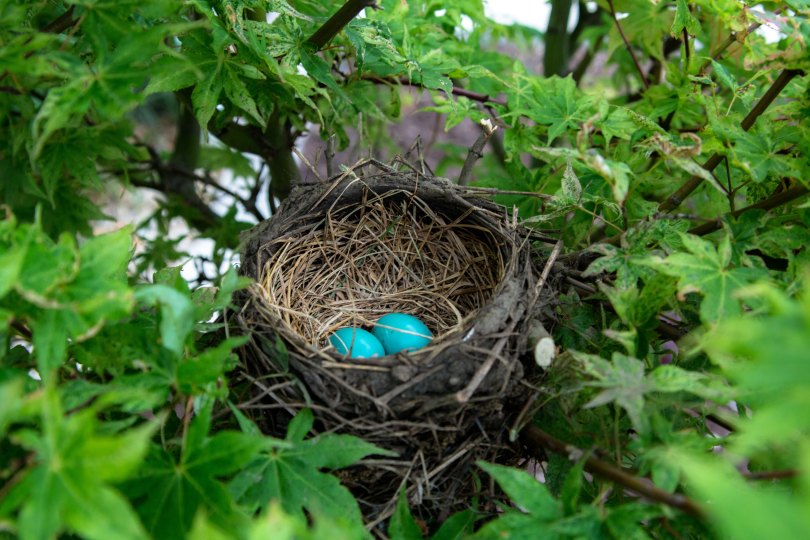
della buia foresta i nidi pieni di uova.

Quando ritroverai la strada di casa
e riporrai spugne e spazzole sotto il lavello
vedrai alla luce dell’alba
l’altare immacolato della tua scrivania,
una superficie pulita al centro di un mondo pulito.

Da un vasetto, azzurro splendente, solleva
una matita gialla, la più appuntita del mazzo,
e ricopri pagine di piccole frasi
come lunghe file di fedeli formiche
che ti hanno seguito fin qui dal bosco.

(Traduzione di Franco Nasi)

Advice to Writers

Even if it keeps you up all night,
wash down the walls and scrub the floor
of your study before composing a syllable.

Clean the place as if the Pope were on his way.
Spotlessness is the niece of inspiration.

The more you clean, the more brilliant
your writing will be, so do not hesitate to take
to the open fields to scour the undersides
of rocks or swab in the dark forest
upper branches, nests full of eggs.

When you find your way back home
and stow the sponges and brushes under the sink,
you will behold in the light of dawn
the immaculate altar of your desk,
a clean surface in the middle of a clean world.

From a small vase, sparkling blue, lift
a yellow pencil, the sharpest of the bouquet,
and cover pages with tiny sentences
like long rows of devoted ants
that followed you in from the woods.

Strade, Ruth Bidgood

Inutile chiedersi che lago protetto da aironi
si trovava nell’altra vallata,
o rimpiangere i canti del bosco
che non avevo attraversato.

Inutile chiedersi dove
potevano portare altre strade,
dato che portavano altrove;
poiché è solo qui e ora
la mia vera destinazione.

È dolce il fiume nella tenera sera
e tutti i passi della vita mi hanno
portata a casa.

Roads

No need to wonder what heron-haunted lake
lay in the other valley,
or regret the songs in the forest
I chose not to traverse.
No need to ask where other roads might have led,
since they led elsewhere;
for nowhere but this here and now
is my true destination.
The river is gentle in the soft evening,
and all the steps of my life have brought me home.

Giura, Konstantinos Kavafis

Giura ogni tanto di volere cominciare una vita migliore.
Ma quando giunge la notte con i suoi consigli,
con i suoi compromessi, le sue lusinghe:
ma quando giunge la notte con l’impeto
del corpo che anela e reclama, allora
perdutamente ritorna a quella stessa gioia fatale.

He swears

He swears every now and then to begin a better life.
But when night comes with its own counsel,
its own compromises and prospects –
when night comes with its own power
of a body that needs and demands,
he goes back, lost, to the same fatal pleasure.

(Translated by Edmund Keeley/Philip Sherrard)

Abbi cura, Raymond Carver

Dalla finestra la vedo chinarsi sulle rose
reggendole vicino al fiore per non
pungersi le dita. Con l’altra mano taglia, si ferma e
poi taglia ancora, più sola al mondo
di quanto mi sia mai reso conto. Non alzerà
lo sguardo, non subito. E’ sola
con le rose e con qualcosa che riesco solo a pensare, ma non
a dire. So bene come si chiamano quei cespugli

regalatici per le nostre nozze tardive: Ama, Onora e Abbi Cura…
è quest’ultima la rosa che all’improvviso mi porge, dopo
essere entrata in casa tra uno sguardo e l’altro. Ci affondo
il naso, ne aspiro la dolcezza, lascio che mi s’attacchi addosso – profumo
di promessa, di tesoro. Le prendo il polso perché mi venga più vicina,
i suoi occhi verdi come muschio di fiume. E poi la chiamo, contro
quel che avverrà: moglie, finché posso, finché il mio respiro, un petalo
affannato dietro l’altro, riesce ancora a raggiungerla.

(Traduzione di Riccardo Duranti)

Cherish

From the window I see her bend to the roses
holding close to the bloom so as not to
prick her fingers. With the other hand she clips, pauses and
clips, more alone in the world
than I had known. She won’t
look up, not now. She’s alone
with roses and with something else I can only think, not
say. I know the names of those bushes

given for our late wedding: Love, Honor, Cherish–
this last the rose she holds out to me suddenly, having
entered the house between glances. I press
my nose to it, draw the sweetness in, let it cling–scent
of promise, of treasure. My hand on her wrist to bring her close,
her eyes green as river-moss. Saying it then, against
what comes: wife, while I can, while my breath, each hurried petal
can still find her.

Dono, Charles Bukowski

sai,
l’uomo che stava qui dietro ha traslocato
non ce la faceva con l’affitto
così ho ereditato questo
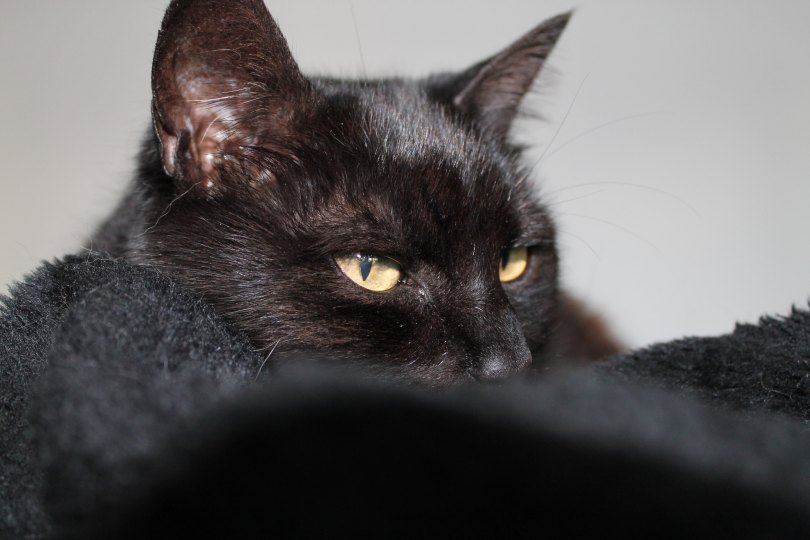
vecchio gatto enorme
grosso come un cane di media taglia
malvagio
occhi gialli
vecchio e furiosamente forte
quando va a segno con una di quelle
zampe
le pareti tremano
si chiama “Butch” e non
va per il sottile
è eccentrico
ha le sue idee fisse
imparata chissà dove
tanto tempo fa.
si fa dei film
tutti suoi
a volte parte
da solo
magari lo sto accarezzando
e poi mi artiglia
imprigionando la mia mano sulla
pancia
con i denti che incidono
il dorso della mano
e mi tiene lì
così
mi graffia l’interno
dei polsi
con le zampe posteriori
con gli artigli
tutti fuori…
lascio la mano lì
finché ha finito
poi
la sollevo
rivoletti di sangue
gocciolano… e lui si limita
a guardarmi.

te lo spedisco
in una scatola da imballaggio
color mandorla naturale
inciderò dei fori così può
respirare

ma sta’ attento quando fai leva sul
coperchio

te lo spedisco espresso
giusto in tempo
per via aerea

apri quella scatola nella
Giornata Nazionale della Poesia.

Gift

you know
the man in back moved out
couldn’t get his rent
so I inherited this
huge old cat
big as an average dog
mean
yellow eyes
old and furiously strong
when he strikes with one of those
paws
the walls shake.
his name is “Butch” and he
doesn’t play around
he’s cranky
has his own set ideas
learned from somewhere
long ago.
he gets on the trip
which is his
sometimes he gets
gone
I’ll be petting him
and then he’ll have me
my hand trapped in his
gut
the teeth will incise into
the top part of my hand
and holding me there
like that
he’ll rip the backs of
my wrists
with his two rear paws
with the claws
fully extended…
I leave my hand there
until he’s finished
then I
lift it away
rivulets of blood
seep… he just
looks at me.

I’ll send him to you
in a whole natural almond
crate
I’ll cut holes so he can
breathe

but beware when you pry off
the lid

I’ll send him to you
just in time
via Air Express

open that crate on
National Poetry Day.

Oggi sono triste, sono triste, Fernando Pessoa

Oggi sono triste, sono triste.
Sarò lieto domani…
Quel che si sente consiste
sempre in qualche cosa vana.

O pioggia, o sole, o pigrizia…
Tutto influisce, tutto trasforma…
L’anima non ha giustizia,
la sensazione non ha forma.

Una verità al giorno…
Un mondo per sensazione…
Sono triste. La sera è fredda.
Domani, sole e ragione.

(Da “Poesie Scelte” a cura di Luigi Panarese, Passigli Editori 2006)

Hoje ‘stou triste, ‘stou triste

Hoje ‘stou triste, ‘stou triste.
‘Starei alegre amanhã…
O que se sente consiste
Sempre em qualquer coisa vã.

Ou chuva, ou sol, ou preguiça…
Tudo influi, tudo transforma…
A alma não tem justiça,
A sensação não tem forma.

Uma verdade por dia…
Um mundo por sensação…
‘Stou triste. A tarde está fria.
Amanhã, sol e razão.

Afterglow, da “Fervor de Buenos Aires” (1923), Jorge Luis Borges

Sempre è commovente il tramonto
per indigente o sgargiante che sia,
ma più commovente ancora
è quel brillìo disperato e finale
che arrugginisce la pianura
quando il sole ultimo si è sprofondato.
Ci duole sostenere quella luce tesa e diversa,
quella allucinazione che impone allo spazio
l’unanime paura dell’ombra
e che cessa di colpo
quando notiamo la sua falsità,
come cessano i sogni
quando sappiamo di sognare.

Afterglow

Siempre es conmovedor el ocaso
por indigente o charro que sea,
pero más conmovedor todavía
es aquel brillo desesperado y final
que herrumbra la llanura
cuando el sol último se ha hundido.
Nos duele sostener esa luz tirante y distinta,
esa alucinación que impone al espacio
el unánime miedo de la sombra
y que cesa de golpe
cuando notamos su falsía,
como cesan los sueños
cuando sabemos que soñamos.