Tienimi per mano, da “Poesie d’amore”, Hermann Hesse

Tienimi per mano al tramonto,
quando la luce del giorno si spegne e l’oscurità fa scivolare il suo drappo di stelle…
Tienila stretta quando non riesco a viverlo questo mondo imperfetto…
Tienimi per mano…
portami dove il tempo non esiste…
Tienila stretta nel difficile vivere.
Tienimi per mano…
nei giorni in cui mi sento disorientato…
cantami la canzone delle stelle dolce cantilena di voci respirate…
Tienimi la mano,
e stringila forte prima che l’insolente fato possa portarmi via da te…
Tienimi per mano e non lasciarmi andare…
mai…

Questa poesia è stata scritta in italiano. Hermann Hesse  (poeta tra i più sensibili del novecento premio Nobel per la letteratura) visse a Montagnola (Ticino) dal 1919 sino alla fine della sua vita nel 1962 e fu per questo in grado di scrivere i versi contenuti nel libro “Poesie d’amore” in italiano. Quindi non c’è un “originale” tedesco di questa poesia.

Hold my hand

Hold my hand at sunset,
when the light of day goes out and darkness slips his cloth of stars.
Keep it tight, when I can not live this imperfect world.
Hold my hand,
take me where time does not exist.
Keep it close in hard living.
Hold my hand,
in the days when I feel disoriented,
sing me the song of the stars, sweet singsong voices breathe.
Hold my hand,
and clasp her strong, before the insolent fate would take me away from you.
Hold my hand and not let go,
ever.

(Traduzione: dal web)

___________________________________

“Le Jazz de V” Live Clip – (16 giu 2023)

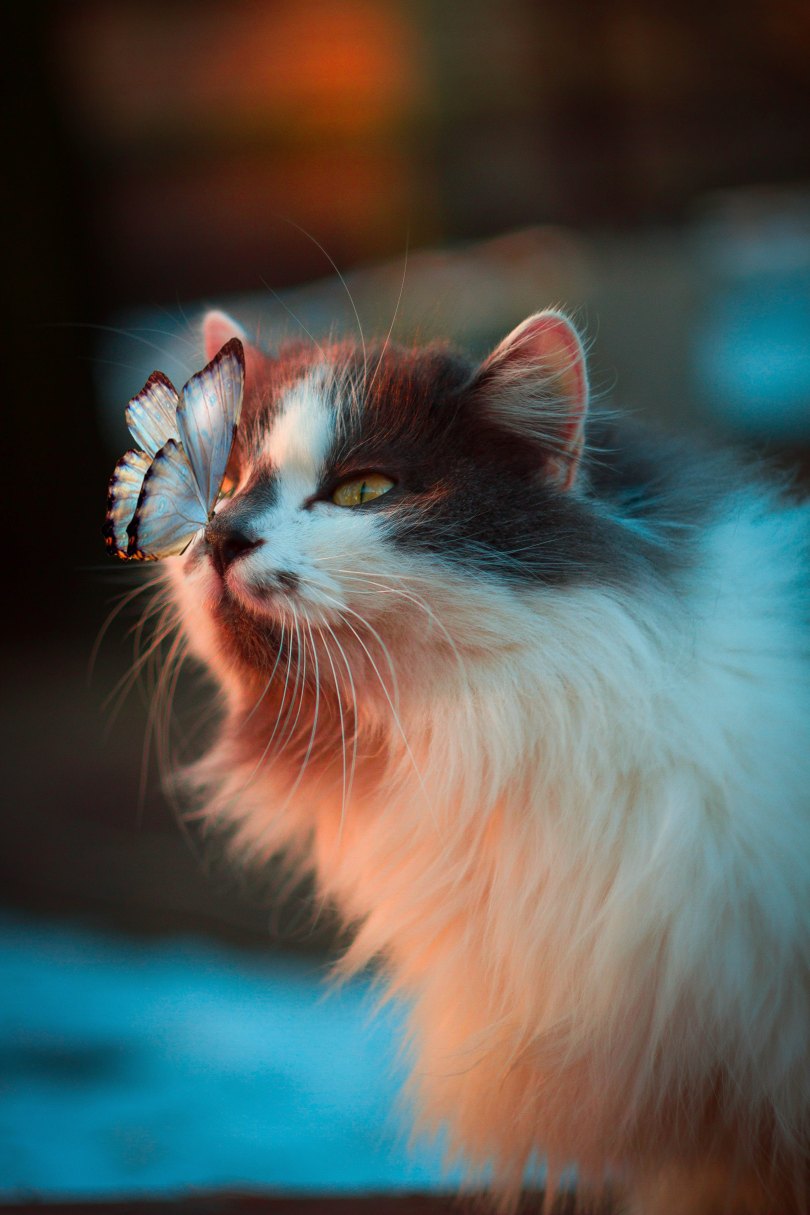
Il gatto, da “I gatti lo sapranno” (2010), Guillaume Apollinaire

Mi auguro di avere in casa mia:
una donna provvista di buonsenso,
un gatto che passeggi in mezzo ai libri,
e degli amici per qualsiasi tempo
senza i quali non posso proprio vivere.

(Traduzione di Fabrizio Dall’Aglio)

Le chat

je souhaite dans ma maison:
Une femme ayant sa raison,
Un chat passant parmi les livres,
Des amis en toute saison
Sans lesquels je ne peux pas vivre.

Da Bestiaire ou Cortège d’Orphée (1911)

____________________________

Michael Daugherty: “Raise the Roof” for Timpani and Symphonic Band

Se non ho altra voce…, da “José Saramago, Le poesie” (2002), José Saramago

Se non ho altra voce per sdoppiare
in echi d’altri suoni il mio silenzio,
parlerò, parlerò, finché non esca
la parola nascosta di ciò che penso.

E la dirò, sfinito, tra deviazioni
di freccia che avvelena anche se stessa,
o altro mare addensato di vascelli
dove il braccio annegato ci fa cenno.

E spingerò in fondo una radice
se la pietra miliare la via sbarra,
e lancerò in alto quanto dice
che più albero è il tronco che è più solo.

E lei dirà, parola ora scoperta,
tutti i detti del vivere consueto:
quest’ora che sconforta e che conforta,
il non vedere, il non avere, il quasi essere.

(Traduzione di Fernanda Toriello)

Se não tenho outra voz…

Se não tenho outra voz que me desdobre
Em ecos doutros sons este silêncio,
É falar, ir falando, até que sobre
A palavra escondida do que penso.

É dizê-la, quebrado, entre desvios
De flecha que a si mesma se envenena,
Ou mar alto coalhado de navios
Onde o braço afogado nos acena.

É forçar para o fundo uma raiz
Quando a pedra cabal corta caminho
É lançar para cima quanto diz
Que mais árvore é o tronco mais sozinho.

Ela dirá, palavra descoberta,
Os ditos do costume de viver:
Esta hora que aperta e desaperta,
O não ver, o não ter, o quase ser.

_____________________________

Nothing Else Matters – Metallica – William Joseph feels the Rain

Solitudine, Ella Wheeler Wilcox

Ridi e il mondo riderà con te.
Piangi, e piangerai da solo.
Poiché il vecchio mondo triste deve prendere
in prestito la sua allegria,
ma ha già abbastanza guai per conto suo.
Canta, e le colline ti risponderanno.
Singhiozza, e il tuo singhiozzo si perderà nell’aria.
L’eco è destinata a un suono gioioso,
ma si rifiuta di dare ascolto ai lamenti.

Rallegrati e gli uomini ti cercheranno.
Rattristati, ed essi ti lasceranno solo.
Vogliono la misura piena di tutto il tuo piacere,
ma non hanno bisogno del tuo dolore.
Sii felice, e avrai molti amici.
Sii triste, e li perderai tutti.
Non c’è nessuno che rifiuti il tuo vino di nettare,
ma dovrai bere da solo il fiele della vita.

Fa’ festa, e i tuoi saloni si riempiranno.
Digiuna, e il mondo ti passerà accanto senza sfiorarti.
Se avrai successo e sarai generoso, ciò ti aiuterà
a vivere.
ma nessuno potrà aiutarti a morire.
C’è spazio nelle sale del piacere
per un lungo treno di signori.
Ma a uno a uno dobbiamo metterci in fila
per passare gli stretti varchi del dolore.

Solitude

Laugh, and the world laughs with you;
Weep, and you weep alone.
For the sad old earth must borrow it’s mirth,
But has trouble enough of its own.
Sing, and the hills will answer;
Sigh, it is lost on the air.
The echoes bound to a joyful sound,
But shrink from voicing care.

Rejoice, and men will seek you;
Grieve, and they turn and go.
They want full measure of all your pleasure,
But they do not need your woe.
Be glad, and your friends are many;
Be sad, and you lose them all.
There are none to decline your nectared wine,
But alone you must drink life’s gall.

Feast, and your halls are crowded;
Fast, and the world goes by.
Succeed and give, and it helps you live,
But no man can help you die.
There is room in the halls of pleasure
For a long and lordly train,
But one by one we must all file on
Through the narrow aisles of pain.

_______________________________

David Garrett in una suggestiva ed emozionante esecuzione di “Viva la vida”
_______________________________

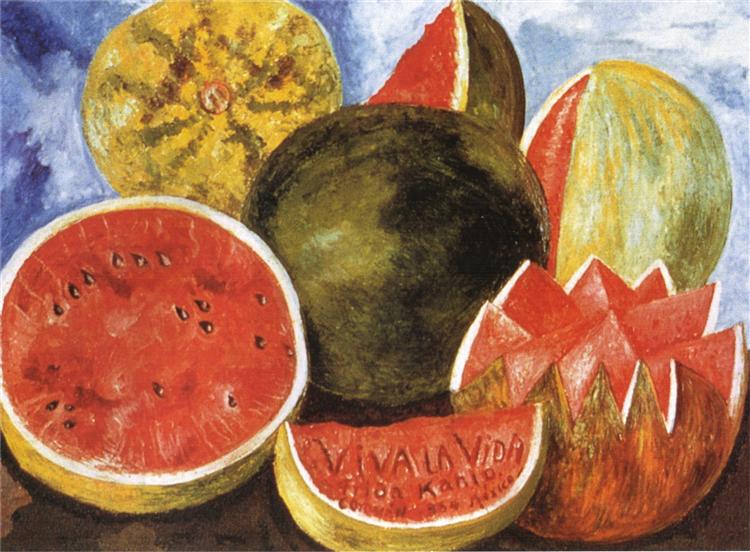
viva-la-vida-watermelons
“Sandías con leyenda: Viva la vida” – Frida Kahlo

Il  celebre dipinto di Frida Kahlo nel quale otto giorni prima di morire scrisse “Viva la Vida – Coyoacán 1954 Mexico”: una frase che suona come un incitamento, una dichiarazione, un inno alla vita. Il titolo della canzone dei Coldplay, altrettanto famosa, è stato ispirato da questo dipinto e dall’audacia dell’artista.

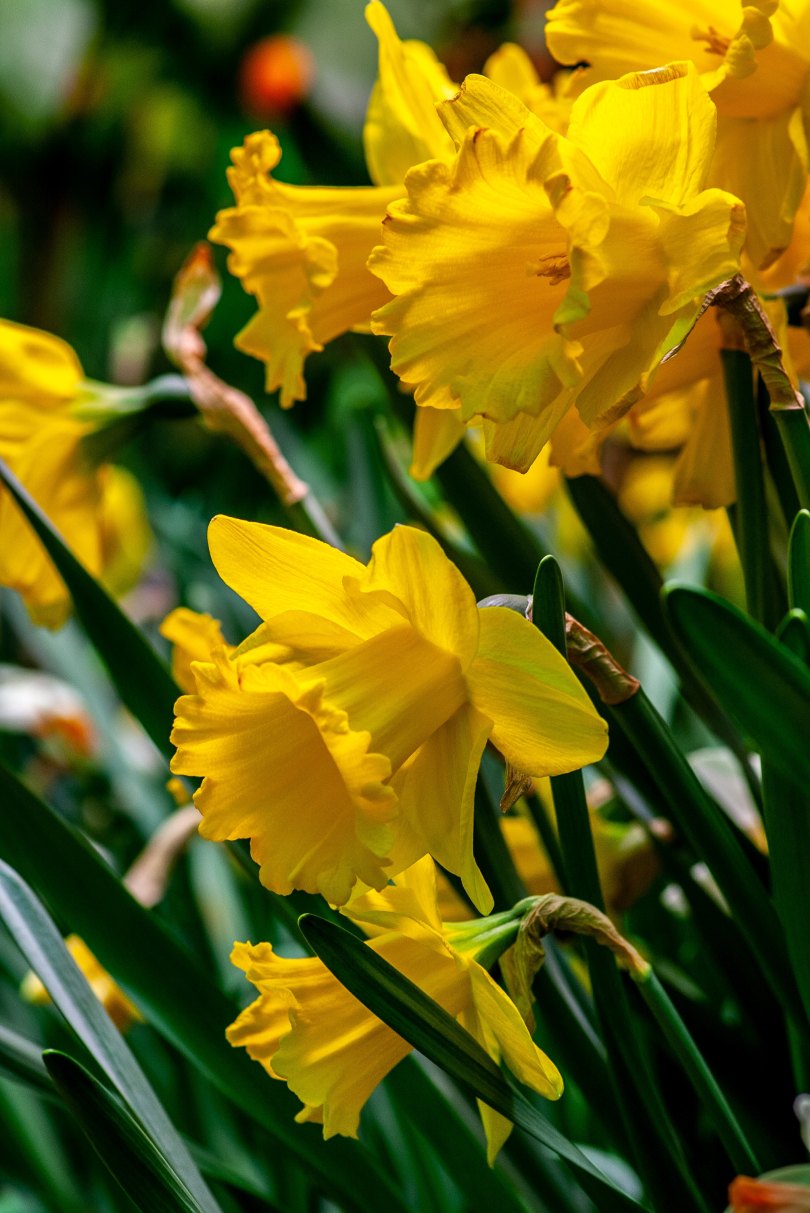
Nel tempo dei narcisi, Edward Estlin Cummings

Nel tempo dei narcisi ( che sanno
che lo scopo di vivere è crescere)
dimenticando il perché, ricorda come

nel tempo dei lillà che proclamano
che il fine della veglia è sognare,
ricordalo (mostra di dimenticare)

nel tempo delle rose (che ci meravigliano
qui ed ora col paradiso)
dimenticando il se, ricorda il sì

nel tempo d’ogni cosa dolce oltre
tutto quanto la mente può comprendere
ricorda cerca (dimenticando trova)

e in un mistero a venire
(quando il tempo dal tempo ci salverà)
tu ricordati di me, dimenticandomi.

In time of Daffodils

in time of daffodils(who know
the goal of living is to grow)
forgetting why,remember how

in time of lilacs who proclaim
the aim of waking is to dream,
remember so(forgetting seem)

in time of roses(who amaze
our now and here with paradise)
forgetting if,remember yes

in time of all sweet things beyond
whatever mind may comprehend,
remember seek(forgetting find)

and in a mystery to be
(when time from time shall set us free)
forgetting me,remember me.

Alla vita, Nazim Hikmet

La vita non è uno scherzo.
Prendila sul serio
come fa lo scoiattolo, ad esempio,
senza aspettarti nulla
dal di fuori o nell’al di là.
Non avrai altro da fare che vivere.
La vita non è uno scherzo.
Prendila sul serio
ma sul serio a tal punto
che messo contro un muro, ad esempio, le mani legate,
o dentro un laboratorio
col camice bianco e grandi occhiali,
tu muoia affinché vivano gli uomini
gli uomini di cui non conoscerai la faccia,
e morrai sapendo
che nulla è più bello, più vero della vita.
Prendila sul serio
ma sul serio a tal punto
che a settant’anni, ad esempio, pianterai degli ulivi
non perché restino ai tuoi figli
ma perché non crederai alla morte
pur temendola,
e la vita peserà di più sulla bilancia.

(Traduzione di Joyce Salvadori Lussu)

On living

I

Living is no laughing matter:
you must live with great seriousness
like a squirrel, for example–
I mean without looking for something beyond and above living,
I mean living must be your whole occupation.
Living is no laughing matter:
you must take it seriously,
so much so and to such a degree
that, for example, your hands tied behind your back,
your back to the wall,
or else in a laboratory
in your white coat and safety glasses,
you can die for people–
even for people whose faces you’ve never seen,
even though you know living
is the most real, the most beautiful thing.
I mean, you must take living so seriously
that even at seventy, for example, you’ll plant olive trees–
and not for your children, either,
but because although you fear death you don’t believe it,
because living, I mean, weighs heavier.

II

Let’s say you’re seriously ill, need surgery–
which is to say we might not get
from the white table.
Even though it’s impossible not to feel sad
about going a little too soon,
we’ll still laugh at the jokes being told,
we’ll look out the window to see it’s raining,
or still wait anxiously
for the latest newscast,,,
Let’s say we’re at the front–
for something worth fighting for, say.
There, in the first offensive, on that very day,
we might fall on our face, dead.
We’ll know this with a curious anger,
but we’ll still worry ourselves to death
about the outcome of the war, which could last years.
Let’s say we’re in prison
and close to fifty,
and we have eighteen more years, say,
before the iron doors will open.
We’ll still live with the outside,
with its people and animals, struggle and wind–
I mean with the outside beyond the walls.
I mean, however and wherever we are,
we must live as if we will never die.

III

This earth will grow cold,
a star among stars
and one of the smallest,
a gilded mote on blue velvet–
I mean this, our great earth.
This earth will grow cold one day,
not like a block of ice
or a dead cloud even
but like an empty walnut it will roll along
in pitch-black space …
You must grieve for this right now
–you have to feel this sorrow now–
for the world must be loved this much
if you’re going to say “I lived” …

Translated by Randy Blasing and Mutlu Konuk (1993)

Citazione da “Sui gatti” (2015), Charles Bukowski

“Più gatti hai, più a lungo vivrai. Se hai cento gatti, vivi dici volte di più che se ne hai dieci. Prima o poi questa cosa verrà scoperta e la gente avrà migliaia di gatti e vivrà per sempre.”

(Traduzione di Simona Viciani)

“The more cats you have, the longer you live. If you have a hundred cats, you’ll live ten times longer than if you have ten. Someday this will be discovered, and people will have a thousand cats and live forever.”

Charles Bukowski, On Cats

Il violinista pazzo, Fernando Pessoa

Non fluì dalla strada del nord
né dalla via del sud
la sua musica selvaggia per la prima volta
nel villaggio quel giorno.

Egli apparve all’improvviso nel sentiero,
tutti uscirono ad ascoltarlo,
all’improvviso se ne andò, e invano
sperarono di rivederlo.

La sua strana musica infuse
in ogni cuore un desiderio di libertà.
Non era una melodia,
e neppure una non melodia.

In un luogo molto lontano,
in un luogo assai remoto,
costretti a vivere, essi
sentirono una risposta a questo suono.

Risposta a quel desiderio
che ognuno ha nel proprio seno,
il senso perduto che appartiene
alla ricerca dimenticata.

La sposa felice capì
d’essere malmaritata,
L’appassionato e contento amante
si stancò di amare ancora,

la fanciulla e il ragazzo furono felici
d’aver solo sognato,
i cuori solitari che erano tristi
si sentirono meno soli in qualche luogo.

In ogni anima sbocciava il fiore
che al tatto lascia polvere senza terra,
la prima ora dell’anima gemella,
quella parte che ci completa,

l’ombra che viene a benedire
dalle inespresse profondità lambite
la luminosa inquietudine
migliore del riposo.

Così come venne andò via.
Lo sentirono come un mezzo-essere.
Poi, dolcemente, si confuse
con il silenzio e il ricordo.

Il sonno lasciò di nuovo il loro riso,
morì la loro estatica speranza,
e poco dopo dimenticarono
che era passato.

Tuttavia, quando la tristezza di vivere,
poiché la vita non è voluta,
ritorna nell’ora dei sogni,
col senso della sua freddezza,

improvvisamente ciascuno ricorda –
risplendente come la luna nuova
dove il sogno-vita diventa cenere –
la melodia del violinista pazzo.

(Da “Il violinista pazzo” Fernando Pessoa – Passigli Poesia, 2004 – Trad.di Amina Di Munno)

The Mad Fiddler

Not from the northern road,
Not from the southern way,
First his wild music flowed
Into the village that day.

He suddenly was in the lane,
The people came out to hear,
He suddenly went, and in vain
Their hopes wished him to appear.

His music strange did fret
Each heart to wish ’twas free.
It was not a melody, yet
It was not no melody.

Somewhere far away,
Somewhere far outside
Being forced to live, they
Felt this tune replied.

Replied to that longing
All have in their breasts,
The lost sense belonging
To forgotten quests.

The happy wife now knew
That she had married ill,
The glad fond lover grew
Weary of loving still,

The maid and boy felt glad
That they had dreaming only,
The lone hearts that were sad
Felt somewhere less lonely.

In each soul woke the flower
Whose touch leaves earth-less dust,
The soul’s husband’s first hour,
The thing completing us,

The shadow that comes to bless
From kissed depths unexpressed,
The luminous restlessness
That is better than rest.

As he came, he went.
They felt him but half-be.
Then he was quietly blent
With silence and memory.

Sleep left again their laughter,
Their tranced hope ceased to last,
And but a small time after
They knew not he had passed.

Yet when the sorrow of living,
Because life is not willed,
Comes back in dreams’ hours, giving
A sense of life being chilled,

Suddenly each remembers –
It glows like a coming moon
On where their dream-life embers –
The mad fiddler’s tune.

18-4-1915 – 20-4-1917
«The Mad Fiddler». in Poesia Inglesa. Fernando Pessoa. (Organização e tradução de Luísa Freire. Prefácio de Teresa Rita Lopes.) Lisboa: Livros Horizonte, 1995. – 318.

Le mie pareti d’amore, da “On Love”, Charles Bukowski

è in nottate come questa, che mi riprendo ciò che
posso.
vivere costa fatica, scrivere non costa nulla.

è che le donne erano facili
ma erano tutte piuttosto simili:
a loro piaceva vedere ciò che scrivevo sotto-forma di
libro finito
ma c’era sempre qualcosa da ridire sulla
battitura effettiva
dei nuovi lavori
che le infastidiva…

non ero in competizione con loro
ma loro diventavano competitive con me
in forme e stili che non consideravo
né originali né creativi
sebbene per me
loro fossero di sicuro
alquanto sorprendenti.

adesso vagano libere
con se stesse insieme alle altre
e hanno nuovi problemi
per altri versi.

tutte quelle adorabili ragazze:
sono felice di essere con loro con lo spirito
piuttosto che con la carne

perché ora posso pestare su questa cazzo di macchina
senza preoccuparmi.

(Traduzione di Simona Viciani)

my walls of love

it’s on nights like this, I get back what I
can.
the living is hard, the writing is free.

were that the women were as easy
but they wore always much the same:
they liked my writing in finished book-
form
but there was always something about the
actual typing
working toward the new
which bothered them…

I wasn’t competing with them
but they got competitive with me
in forms and styles which I didn’t consider
either original or creative
although to me
they were certainly
astonishing enough.

now they are set loose
with themselves and the others
and have new problems
in another way.
all those lovelies:
I’m glad I’m with them in spirit
rather than in the flesh
as now I can bang this fucking machine
without concern.

_____________________
Manoscritto, 20 febbraio 1983, inedito.