Come lascia la trama luminosa con le stelle intessuta la rugiada disseminando gemme senza posa su pascoli e steccati, e lenta si dirada –
come all’arida erba rilucente l’alba lascia fra sterpi aggrovigliati una goccia d’arcobaleno ardente su ciascuno dei semi rischiarati
così il tuo amore, una limpida aurora, ha di me fatto strada iridescente per continuare il viaggio ancora e ancora
e trasformare al mio sguardo ogni cosa – albero o pietra delicatamente in immagine nitida e radiosa.
(Traduzione di Silvio Raffo)
Dew
As dew leaves the cobweb lightly Threaded with stars, Scattering jewels on the fence And the pasture bars; As dawn leaves the dry grass bright And the tangled weeds Bearing a rainbow gem On each of their seeds; So has your love, my lover, Fresh as the dawn, Made me a shining road To travel on, Set every common sight Of tree or stone Delicately alight For me alone.
____________________________
Yuja Wang – Tea for Two (encore) – Vicenza, 19 feb 2015
Dicono che porti iella a una poesia parlarne prima che sia finita. Se la lasci andare troppo presto, avvertono, la tua poesia volerà via, e questa volta hanno davvero ragione.
Prendi quella sera in cui ti dissi che volevo scrivere sui pazzi, come li chiamano sbrigativi i giornali, che attaccano l’arte, non con recensioni, ma con coltelli da cucina e martelli nei tranquilli musei di Praga e Amsterdam.
In verità, sono loro i veri artisti, dicesti, facendo girare il ghiaccio nel bicchiere. Il cacciavite è il loro pennello. Sono i restauratori i veri vandali, continuasti, facendo rigirare me lentamente, quelli coi camici bianchi sempre intenti a chiudere la ferita nel paesaggio e rovinare l’arte dei pazzi.
Vidi la mia poesia librarsi verso l’ingresso del bar e lì volteggiare in aria finché entrò un nuovo cliente – allora la vidi volar fuori dalla porta nella notte e far vela, potevo solo immaginarlo, sopra scuri condomini della città.
Tutto quel che volevo dire è che anche l’arte è breve, come può insegnare un rasoio con un taglio alla cieca; sembra lunga solo se la confronti alla vita, ma quella notte tornai a casa da solo senza che nulla dondolasse nella gabbia del mio cuore se non la debole speranza di cogliere nel ventaglio dei fanali un barlume della cosa, forse appollaiato su un cartello stradale o un lampione – povero uccello non scritto, con le ali ripiegate, che mi fissa dall’alto, coi suoi piccoli occhi illuminati.
(Traduzione di Franco Nasi)
Madmen
They say you can jinx a poem if you talk about it before it is done. If you let it out too early, they warn, your poem will fly away, and this time they are absolutely right.
Take the night I mentioned to you I wanted to write about the madmen, as the newspapers so blithely call them, who attack art, not in reviews, but with breadknives and hammers in the quiet museums of Prague and Amsterdam.
Actually, they are the real artists, you said, spinning the ice in your glass. The screwdriver is their brush. The real vandals are the restorers, you went on, slowly turning me upside-down, the ones in the white doctor’s smocks who close the wound in the landscape, and thus ruin the true art of the mad.
I watched my poem fly down to the front of the bar and hover there until the next customer walked in– then I watched it fly out the open door into the night and sail away, I could only imagine, over the dark tenements of the city.
All I had wished to say was that art was also short, as a razor can teach with a slash or two, that it only seems long compared to life, but that night, I drove home alone with nothing swinging in the cage of my heart except the faint hope that I might catch a glimpse of the thing in the fan of my headlights, maybe perched on a road sign or a street lamp, poor unwritten bird, its wings folded, staring down at me with tiny illuminated eyes.
___________________________
CRAZY Bach Double Violin Concerto Encore Ray Chen and his conductor friends Diego Matheuz and Christian Vasquez
Tutta la mattina ho cercato una sillaba. È poco, certamente: una vocale, una consonante, quasi nulla. Eppure ne ho bisogno. lo solo so quanto ne ho bisogno. Perciò la cercavo con ostinazione. Lei sola mi poteva difendere dal gelo di gennaio, dall’arsura dell’estate. Una sillaba. Un’unica sillaba. La salvezza.
(Traduzione di Emma Scoles)
A sílaba
Toda a manhâ procurei urna sílaba. É pouca coisa, é certo: urna vogal, urna consoante, quase nada. Mas faz-me falta. Só eu sei a falta que me faz. Por isso a procurava com obstinaçâo. Só ela me podia defender do frió de Janeiro, da estiagem do verâo. Urna sílaba. Urna única sílaba. A salvaçâo.
The Syllable
All morning I was searching for a syllable. It’s very little, that’s for sure: a vowel, a consonant, practically nothing. But I feel its absence. Only I know how much I miss it. That’s why I searched for it so stubbornly. Only it could shield me from January cold, the drought of summer. A syllable. A single syllable. Salvation.
Translation: Alexis Levitin – From: Forbidden Words (2003)
Il silenzio rotondo della notte sul pentagramma dell’infinito.
Me ne vado nudo per la strada carico di versi perduti. Il nero, crivellato dal canto del grillo, ha questo fuoco fatuo, morto, del suono. Questa luce musicale che lo spirito intuisce.
Scheletri di farfalle a mille dormono nel mio recinto.
C’è una giovinezza di brezze pazze sopra il fiume.
(Traduzione di Claudio Rendina)
Hora de estrellas
El silencio redondo de la noche sobre el pentagrama del infinito.
Yo me salgo desnudo a la calle, maduro de versos perdidos. Lo negro, acribillado por el canto del grillo, tiene ese fuego fatuo, muerto, del sonido. Esa luz musical que percibe el espíritu.
Los esqueletos de mil mariposas duermen en mi recinto.
Hay una juventud de brisas locas sobre el río.
Hour of Stars
The round silence of night, one note on the stave of the infinite.
Ripe with lost poems, I step naked into the street. The blackness riddled by the singing of crickets: sound, that dead will-o’-the-wisp, that musical light perceived by the spirit.
A thousand butterfly skeletons sleep within my walls.
A wild crowd of young breezes over the river.
― Federico García Lorca, Selected Poems, 1920
_________________________
Ana Vidovic plays Asturias by Isaac Albéniz on a Jim Redgate classical guitar
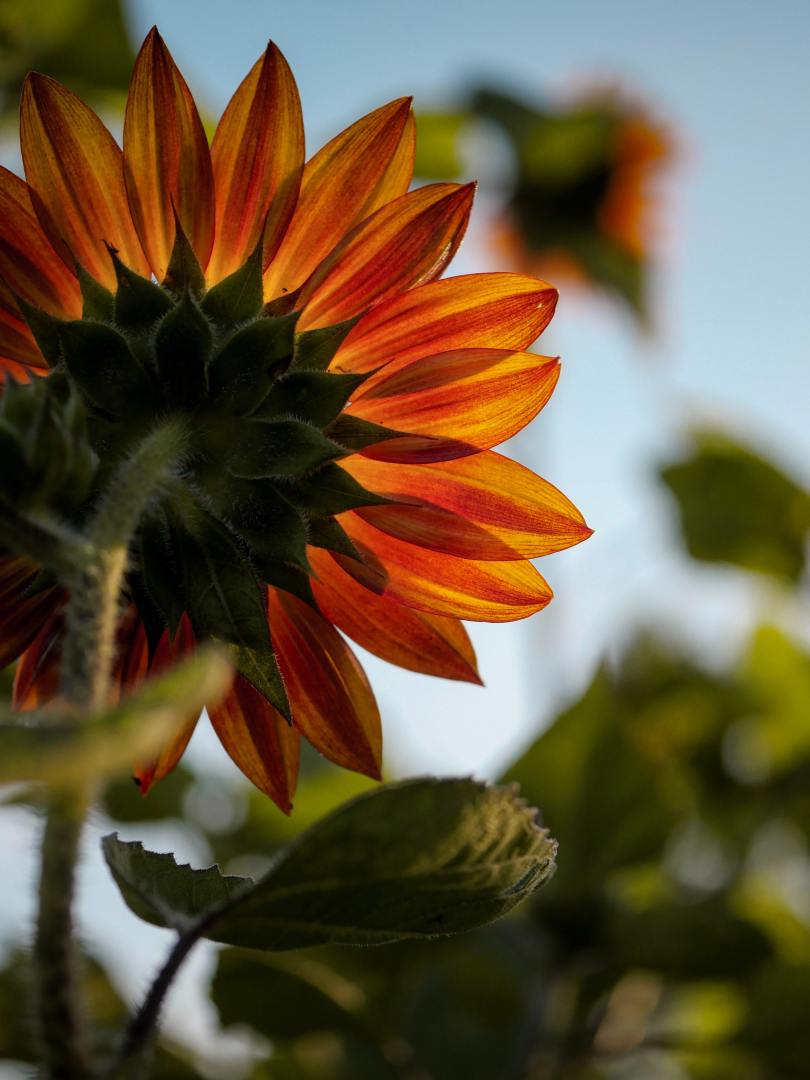
Sbocciare – è il Risultato – incontrare un Fiore E casualmente dargli uno sguardo Potrà a malapena far intuire Le Circostanze minute
Che collaborano alla Brillante Faccenda Così intricatamente compiuta Poi offerta come una Farfalla Al Mezzogiorno –
Riempire il Bocciolo – opporsi al Verme – Ottenere i propri diritti di Rugiada – Regolare il Calore – eludere il Vento – Fuggire l’Ape cacciatrice –
Non deludere Madre Natura Che l’aspetta in quel Giorno – Essere un Fiore, è profonda Responsabilità –
(Traduzione di Giuseppe Ierolli)
La difficotà della semplicità e della bellezza: il fiore che deve combattere per la sua apparente spontaneità luminosa è una metafora dell’arte e in generale del mestiere di vivere.
Bloom – is Result – to meet a Flower
Bloom – is Result – to meet a Flower And casually glance Would cause one scarcely to suspect The minor Circumstance
Assisting in the Bright Affair So intricately done Then offered as a Butterfly To the Meridian –
To pack the Bud – oppose the Worm – Obtain it’s right of Dew – Adjust the Heat – elude the Wind – Escape the prowling Bee –
Great Nature not to disappoint Awaiting Her that Day – To be a Flower, is profound Responsibility –
_________________________________
Alice Sara Ott – Debussy: Rêverie, L. 68 | Yellow Lounge (live from teamLab Borderless, Tokyo /2018)
Ogni giorno vedo o ascolto qualcosa che più o meno
mi uccide di gioia, che mi lascia come un ago
nel pagliaio della luce. Era ciò per cui sono nata — guardare, ascoltare,
perdermi in questo mondo morbido – per istruirmi continuamente
nella gioia e nell’acclamazione. Né sto parlando dell’eccezionale,
lo spaventoso, il terribile, il molto stravagante – ma dell’ordinario, del comune, del monotono,
le rappresentazioni quotidiane. Oh, brava studiosa, io mi dico, come puoi fare a meno
di diventare saggia con insegnamenti come questi: la luce non regolabile
del mondo, la lucentezza dell’oceano, le preghiere che sono fatte di erba?
Mindful
Everyday I see or hear something that more or less
kills me with delight, that leaves me like a needle
in the haystack of light. It was what I was born for — to look, to listen,
to lose myself inside this soft world — to instruct myself over and over
in joy, and acclamation. Nor am I talking about the exceptional,
the fearful, the dreadful, the very extravagant — but of the ordinary, the common, the very drab,
the daily presentations. Oh, good scholar, I say to myself, how can you help
but grow wise with such teachings as these — the untrimmable light
of the world, the ocean’s shine, the prayers that are made out of grass?
____________________________________
Ray Chen plays Mendelssohn Violin Concerto in E minor, Op. 64 with the Gothenburg Symphony Orchestra and Maestro Kent Nagano (Live concert on 28th February, 2015)







 nonsolobiancoenero