Aubade, da “Balistica”, Billy Collins

Se vivessi nella casa di fronte a me
e se fossi seduto al buio
sul bordo del letto
alle cinque del mattino,

mi potrei chiedere che cosa ci fa
la luce accesa nel mio studio a quest’ora,
eppure eccomi alla mia scrivania
nel mio studio a chiedermi la stessa identica cosa.

So che non dovevo alzarmi così presto
per aprire con un coltellino
i pacchi di giornali all’edicola
come potrebbe pensare l’uomo della casa di fronte.

È ovvio che non sono un agricoltore o un lattaio.
E non sono l’uomo della casa di fronte
che siede al buio perché sonno
è sua madre e lui è uno dei suoi tanti orfani.

Forse sono sveglio solo per ascoltare
il tenue stridulo tintinnio,
del tungsteno nell’unica lampadina
che ha lo stesso suono del fruscio degli alberi.

O il mio compito è solo quello di stare seduto immobile
come il bicchiere d’acqua sul comodino
dell’uomo della casa di fronte,
immobile con la fotografia di mia moglie in cornice?

Ma ecco il primo uccello che consegna il suo canto,
ed ecco il motivo del mio essere in piedi:
per catturare la canzone di tre note di quell’uccello
e aspettare ora assieme a lui una risposta.

Aubade

If I lived across the street from myself
and I was sitting in the dark
on the edge of the bed
at five o’clock in the morning,

I might be wondering what the light
was doing on in my study at this hour,
yet here I am at my desk
in the study wondering the very same thing.

I know I did not have to rise so early
to cut open with a penknife
the bundles of papers at a newsstand
as the man across the street might be thinking.

Clearly, I am not a farmer or a milkman.
And I am not the man across the street
who sits in the dark because sleep
is his mother and he is one of her many orphans.

Maybe I am awake just to listen
to the faint, high-pitched ringing
of tungsten in the single lightbulb
which sounds like the rustling of trees.

Or is it my job simply to sit as still
as the glass of water on the night table
of the man across the street,
as still as the photograph of my wife in a frame?

But there’s the first bird to deliver his call,
and there’s the reason I am up —
to catch the three-note song of that bird
and now to wait with him for some reply.

Il primo sogno, Billy Collins

Il vento girovaga attorno alla casa stanotte
e mentre mi appoggio alla soglia del sonno
inizio a pensare alla prima persona che mai abbia sognato,
come dev’essere sembrata tranquilla, il mattino dopo

mentre gli altri se ne stavano attorno al fuoco
con addosso pelli di animali
parlando tra di loro solo con le vocali,
perché questo certo accadde molto prima dell’invenzione delle consonanti.

L’uomo, forse, se ne è andato da solo per sedersi
su una pietra a guardare la foschia di un lago
mentre cercava di spiegarsi cos’era successo,
come era andato da qualche parte senza andarci,

come aveva steso le braccia attorno al collo
di una belva che gli altri potevano toccare
solo dopo averla uccisa con le pietre,
come aveva sentito il suo respiro sul suo collo nudo.

D’altro canto, il primo sogno potrebbe averlo fatto
una donna, anche se si sarebbe comportata,
immagino, più o meno allo stesso modo,
allontanandosi per stare da sola vicino all’acqua,

tranne che la curva delle sue giovani spalle
e l’oscillare del suo capo chino
l’avrebbero fatta apparire terribilmente sola,
e se tu fossi stato lì, a vedere la scena,

avresti forse finito per essere la prima persona
che si sia mai innamorata della tristezza di un’altra.

The First Dream

The Wind is ghosting around the house tonight
and as I lean against the door of sleep
I begin to think about the first person to dream,
how quiet he must have seemed the next morning

as the others stood around the fire
draped in the skins of animals
talking to each other only in vowels,
for this was long before the invention of consonants.

He might have gone off by himself to sit
on a rock and look into the mist of a lake
as he tried to tell himself what had happened,
how he had gone somewhere without going,

how he had put his arms around the neck
of a beast that the others could touch
only after they had killed it with stones,
how he felt its breath on his bare neck.

Then again, the first dream could have come
to a woman, though she would behave,
I suppose, much the same way,
moving off by herself to be alone near water,

except that the curve of her young shoulders
and the tilt of her downcast head
would make her appear to be terribly alone,
and if you were there to notice this,

you might have gone down as the first person
to ever fall in love with the sadness of another.

Compiendo dieci anni, Billy Collins

L’idea stessa mi fa sentire
come se mi fossi buscato qualcosa,
qualcosa di peggio di tutti i mal di pancia
o mal di testa che mi vengono a leggere con poca luce –
una specie di morbillo dello spirito,
gli orecchioni della psiche,
una deturpante varicella dell’anima.

Mi dici che è troppo presto per guardare indietro,
ma lo dici perché hai dimenticato
la perfetta semplicità di avere un anno
e la bella complessità introdotta dai due.
Ma posso starmene sdraiato a letto e ricordare ogni cifra.
A quattro ero un mago arabo.
Potevo diventare invisibile
bevendo un bicchiere di latte in un certo modo.
A sette ero un soldato, a nove un principe.

Ora invece sto spesso alla finestra
a guardare la luce del tardo pomeriggio.
Allora non spioveva mai così solenne
sul lato della mia casa sull’albero,
e la mia bicicletta non si poggiava mai al garage
come fa oggi,
con tutta la sua velocità blu prosciugata.

Questo è l’inizio della tristezza, mi dico,
mentre attraverso l’universo con le mie scarpe da ginnastica.
È ora di dire addio ai miei amici immaginari,
è ora di girare il primo grande numero.

Mi sembra solo ieri che credevo
che sotto la pelle non ci fosse altro che luce.
Se mi tagliavi non potevo che splendere.
Ma ora quando cado sui marciapiedi della vita,
mi pelo le ginocchia. Sanguino.

On Turning Ten

The whole idea of it makes me feel
like I’m coming down with something,
something worse than any stomach ache
or the headaches I get from reading in bad light–
a kind of measles of the spirit,
a mumps of the psyche,
a disfiguring chicken pox of the soul.

You tell me it is too early to be looking back,
but that is because you have forgotten
the perfect simplicity of being one
and the beautiful complexity introduced by two.
But I can lie on my bed and remember every digit.
At four I was an Arabian wizard.
I could make myself invisible
by drinking a glass of milk a certain way.
At seven I was a soldier, at nine a prince.

But now I am mostly at the window
watching the late afternoon light.
Back then it never fell so solemnly
against the side of my tree house,
and my bicycle never leaned against the garage
as it does today,
all the dark blue speed drained out of it.

This is the beginning of sadness, I say to myself,
as I walk through the universe in my sneakers.
It is time to say good-bye to my imaginary friends,
time to turn the first big number.

It seems only yesterday I used to believe
there was nothing under my skin but light.
If you cut me I could shine.
But now when I fall upon the sidewalks of life,
I skin my knees. I bleed.

Night Club, da “The Art of Drowning” Billy Collins

Sei così bella, e io sono uno stupido
a essere innamorato di te
è un motivo che continua a presentarsi
nelle canzoni e nelle poesie.
Non sembra esserci spazio per alcuna variazione.
Non ho mai sentito uno cantare
sono così bello
e tu sei una stupida ad esserti innamorata di me,
anche se quest’idea ha senza dubbio
attraversato in egual misura la mente di uomini e donne.
Sei così bella, peccato tu sia stupida
è un’altra che non si sente proprio.
Oppure, sei uno stupido a considerarmi bella.
Questa non la sentirete mai, sicuro.

Senza un motivo particolare questa sera
sto ascoltando Johnny Hartman
la cui voce scura può arrotolarsi attorno
ai concetti di amore, bellezza e stupidità
come quella di nessun altro.
Sembra fumo che si arrotola da una sigaretta
che qualcuno ha lasciato a bruciare su di un piano a mezza coda
più o meno alle tre di mattina;
fumo che ondeggia verso le luci intense
mentre lì, in mezzo al buio
alcune stupide bellezze si sono raccolte
attorno a piccoli tavoli per ascoltare,
un po’ con gli occhi chiusi,
altre protese avanti verso la musica
come se le sostenesse,
o mentre ruotano il ghiaccio che si scioglie nel bicchiere,
scivolando poco a poco in un sogno ritmato.

Sì, c’è tutta questa stupida bellezza,
fiorita dopo mezzanotte,
che non ha voglia di tornare a casa,
soprattutto ora che tutti nella stanza
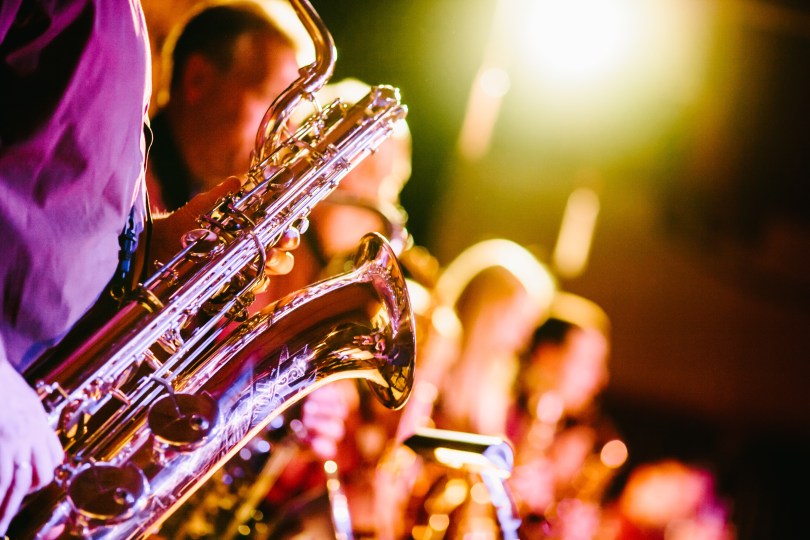
stanno guardando l’uomo imponente con il sax tenore
che gli pende dal collo come un pesce d’oro.
E viene avanti, al bordo del proscenio
e si china a porgermi lo strumento
e con un cenno mi fa capire che tocca a me suonare.
Così porto alle labbra l’imboccatura
e ci soffio dentro con tutto il fiato che mi è dato.
Siamo tutti così stupidi,
inizia a dire il mio lungo assolo bebop,
ma così assurdamente stupidi
che siamo diventati belli senza neppure rendercene conto.

(Trad. di Piero Vereni)

Nightclub

You are so beautiful and I am a fool
to be in love with you
is a theme that keeps coming up
in songs and poems.Continua a leggere…

La sigaretta migliore, da “Sailing Alone Around the Room”, Billy Collins

Ce ne sono molte che mi mancano,
dopo aver gettato dal finestrino dell’auto l’ultima,
scintillante, lungo la strada, una notte, anni fa.

Quelle canoniche, naturalmente:
dopo aver fatto sesso, le due punte luminose
ora luci di un’unica nave;
alla fine di una lunga cena
con altro vino in arrivo
e un cerchio di fumo che fluiva nel lampadario;
o su una spiaggia bianca
stretta fra le dita ancora bagnate dalla nuotata.

Così agrodolci queste punteggiature
di fiamma e gestualità;
ma le migliori erano in quelle mattine
quando qualche piccola cosa
cominciava a prendere forma
alla macchina da scrivere,
il sole che brillava alle finestre,
con Berlioz, magari, in sottofondo.
Andavo in cucina per un caffè
e tornavo alla pagina,
ripiegata nel rullo,
me ne accendevo una e sentivo
il secco afflusso mescolarsi al gusto scuro del caffè.

Poi diventavo la locomotiva di me stesso
che lasciava dietro di sé, mentre tornavo al lavoro,
piccoli sbuffi di fumo
indici del progresso,
segni di laboriosità e pensiero,
il segnale che diceva al diciannovesimo secolo
che avanzava.
Quella era la sigaretta migliore,
quando fumante entravo nello studio
pieno di speranze vaporose
e me ne stavo lì, in piedi,
con la grande lampada del mio volto
che illuminava le parole disposte in linee parallele.

The Best Cigarette

There are many that I miss
having sent my last one out a car window
sparking along the road one night, years ago.Continua a leggere…

Lo sviluppo del bambino, Billy Collins

Com’è sicuro che ai pesci preistorici spuntarono le gambe
e lasciarono le spiagge per andare a spasso nelle foreste
sviluppando alcuni verbi irregolari per le loro
prime conversazioni, così anche i bambini di tre anni
entrano nella fase dell’insulto.

Ogni giorno ne arriva uno nuovo che si aggiunge
al repertorio. Stupida Testa di Rapa,
Grossa Faccia di Fogna, Cacca-per-Terra
(quest’ultimo mi suona un po’ Navajo)
li strillano dal livello-ginocchia, i musetti
rossi per la sfida.
Niente che Samuel Johnson si sarebbe spaventato a profferire
in un pub, ma in fondo i pargoletti non stanno provando
a distruggere qualche fatuo dilettante dell’Illuminismo.

Stanno solo tormentando i loro colleghi mocciosi
o attirando l’attenzione dei giganti
lassù con i loro cocktail e il fiato cattivo
a dire scemenze baritonali ad altri giganti,
aspettando di insultarli dopo averli ringraziati
per la splendida festa e aver sentito chiudersi la porta.

I grandi risparmiano le fantasie rabbiose
per cose come un martello traditore, catene da neve,
treni in partenza mancati per pochi secondi,
però nei loro cuori adulti sanno bene,
anche se minacciano di spedire Timmy a letto
per queste maniere orribili,
che i loro capi sono Stupidi Ciccioni,
le loro mogli Sceme Testevuote
e che loro, loro stessi sono Signori Cretinetti.

Child development

As sure as prehistoric fish grew legs
and sauntered off the beaches into forests
working up some irregular verbs for their
first conversation, so three-year-old children
enter the phase of name-calling.

Every day a new one arrives and is added
to the repertoire. You Dumb Goopyhead,
You Big Sewerface, You Poop-on-the-Floor
(a kind of Navaho ring to that one)
they yell from knee level, their little mugs
flushed with challenge.
Nothing Samuel Johnson would bother tossing out
in a pub, but then the toddlers are not trying
to devastate some fatuous Enlightenment hack.

They are just tormenting their fellow squirts
or going after the attention of the giants
way up there with their cocktails and bad breath
talking baritone nonsense to other giants,
waiting to call them names after thanking
them for the lovely party and hearing the door close.

The mature save their hothead invective
for things: an errant hammer, tire chains,
or receding trains missed by seconds,
though they know in their adult hearts,
even as they threaten to banish Timmy to bed
for his appalling behavior,
that their bosses are Big Fatty Stupids,
their wives are Dopey Dopeheads
and that they themselves are Mr. Sillypants.

Dimenticanza, Billy Collins

Il primo ad andarsene è il nome dell’autore
diligentemente seguito dal titolo, dalla trama,
dal finale mozzafiato, dall’intero romanzo
che all’improvviso diventa come se non l’avessi mai letto,
nemmeno mai sentito,

come se, uno per uno, i ricordi che eri solito ospitare
avessero deciso di accasarsi nell’emisfero meridionale del cervello,
in un piccolo villaggio di pescatori dove non ci sono telefoni.

Molto tempo fa hai dato il bacio d’addio ai nomi delle nove Muse
e hai visto fare le valigie a quella equazione quadratica,
e anche adesso, che mandi a memoria l’ordine dei pianeti,

qualcos’altro scivola via, forse quale sia il fiore simbolo di uno stato,
l’indirizzo di uno zio, la capitale del Paraguay.

Qualunque sia la cosa che ti sforzi di ricordare
non ti sta certo in bilico sulla punta della lingua,
né se ne sta rintanata in qualche oscuro angolo della tua milza.

Se ne è andata galleggiando lungo un cupo fiume mitologico
il cui nome, a quanto ricordi, comincia per L,
giù lungo la strada del tuo oblio dove ti unirai a quanti
hanno scordato come si nuota e come si pedala una bici.

È normale che ti alzi nel mezzo della notte
per controllare la data di una famosa battaglia in un libro di guerra.
È normale che la luna dalla finestra sembri uscita
da una poesia d’amore che un tempo sapevi a memoria.

Forgetfulness

The name of the author is the first to go
followed obediently by the title, the plot,
the heartbreaking conclusion, the entire novel
which suddenly becomes one you have never read,
never even heard of,

as if, one by one, the memories you used to harbor
decided to retire to the southern hemisphere of the brain,
to a little fishing village where there are no phones.

Long ago you kissed the names of the nine Muses goodbye
and watched the quadratic equation pack its bag,
and even now as you memorize the order of the planets,

something else is slipping away, a state flower perhaps,
the address of an uncle, the capital of Paraguay.

Whatever it is you are struggling to remember,
it is not poised on the tip of your tongue,
not even lurking in some obscure corner of your spleen.

It has floated away down a dark mythological river
whose name begins with an L as far as you can recall,
well on your own way to oblivion where you will join those
who have even forgotten how to swim and how to ride a bicycle.

No wonder you rise in the middle of the night
to look up the date of a famous battle in a book on war.
No wonder the moon in the window seems to have drifted
out of a love poem that you used to know by heart.

Attraversando a piedi l’Atlantico, da “A vela, in solitaria intorno alla stanza”, Billy Collins

Aspetto che la folla del giorno di festa lasci la spiaggia
prima di salire sull’onda.

Ora attraverso l’Atlantico a piedi
e penso alla Spagna,
attento alle balene, ai pennacchi di vapore.

Sento l’acqua che sostiene il mio peso in movimento.
Questa notte dormirò sulla sua superficie cullante.

Ma intanto provo a immaginare come
debba sembrare tutto questo ai pesci là sotto:
il fondo dei miei piedi che appare, scompare.

(trad. F. Nasi)

Walking Across the Atlantic

I wait for the holiday crowd to clear the beach
before stepping onto the first wave.

Soon I am walking across the Atlantic
thinking about Spain,
checking for whales, waterspouts.
I feel the water holding up my shifting weight.
Tonight I will sleep on its rocking surface.

But for now I try to imagine what
this must look like to the fish below,
the bottoms of my feet appearing, disappearing.

Billy Collins reads his poem “Walking Across the Atlantic” with animation by Mike Stolz of Manic.

Sonetto, da “A vela in solitaria intorno alla stanza”, Billy Collins

Abbiamo bisogno di quattordici versi, tredici ora,
e dopo questo appena una dozzina
per varare una barchetta sui mari colpiti dalla tempesta d’amore,
Poi ne rimangono ancora solo dieci come file di fagioli.
È facile, se non vuoi fare come gli Elisabettiani
e insistere che si vedono i bonghi giambici
E mettere le rime alla fine dei versi,
una per ciascuna stazione della croce.
Ma resta qui mentre svoltiamo
negli ultimi sei dove tutto sarà risolto,
Dove i desistere e i mal di cuore troveranno fine,
Dove Laura dirà a Petrarca di deporre la penna,
Di togliersi quelle strambe braghe medievali,
di soffiare sulla candela, e di venire finalmente a letto.

(Trad. Franco Nasi)

Sonnet

All we need is fourteen lines, well, thirteen now,
and after this one just a dozen
to launch a little ship on love’s storm-tossed seas,
then only ten more left like rows of beans.
How easily it goes unless you get Elizabethan
and insist the iambic bongos must be played
and rhymes positioned at the ends of lines,
one for every station of the cross.
But hang on here wile we make the turn
into the final six where all will be resolved,
where longing and heartache will find an end,
where Laura will tell Petrarch to put down his pen,
take off those crazy medieval tights,
blow out the lights, and come at last to bed.

Il silenzio, da “The Trouble With Poetry and Other Poems”, Billy Collins

C’è il silenzio improvviso della folla
sul giocatore immobile nel campo,
e il silenzio dell’orchidea.

Il silenzio del vaso che cade
prima che colpisca il pavimento,
il silenzio della cintura quando non picchia il bambino.

La quiete del bicchiere e, in esso, dell’acqua,
il silenzio della luna
e la quiete del giorno lontano dal ruggito del sole.

Il silenzio di quando ti stringo al petto,
il silenzio della finestra su noi due,
e il silenzio di quando, sollevandoti, ti volti.

E c’è il silenzio di questa mattina
che ho infranto con la mia penna,
un silenzio accumulatosi per la notte intera

come neve che cade nel buio della casa –
il silenzio di prima che scrivessi una parola
e il silenzio più misero adesso.

(Traduzione di Anna Rita Margio e Nicola Sguera)

Silence

There is the sudden silence of the crowd
above a player not moving on the field,
and the silence of the orchid.

The silence of the falling vase
before it strikes the floor,
the silence of the belt when it is not striking the child.

The stillness of the cup and the water in it,
the silence of the moon
and the quiet of the day far from the roar of the sun.

The silence when I hold you to my chest,
the silence of the window above us,
and the silence when you rise and turn away.

And there is the silence of this morning
which I have broken with my pen,
a silence that had piled up all night

like snow falling in the darkness of the house—
the silence before I wrote a word
and the poorer silence now.