Fammi un quadro del sole, Emily Dickinson

Fammi un quadro del sole –
Così potrò appenderlo nella mia stanza.
E far finta di scaldarmi
Quando gli altri lo chiamano “Giorno”!

Disegnami un Pettirosso – su un ramo –
Così ascoltandolo, sognerò,
E quando i Frutteti cesseranno il canto
Metterò la mia finzione – via –

Dimmi se è davvero – caldo a mezzogiorno –
Se Ranuncoli – che “svolazzano” –
O Farfalle – che “fioriscono”?
Poi – salta – il gelo – sul prato –
E salta il Rossiccio – sull’albero –
Facciamo finta che – non arrivino mai!

(Trad. di Giuseppe Ierolli)

Make Me a Picture of the Sun

Make me a picture of the sun –
So I can hang it in my room.
And make believe I’m getting warm
When others call it “Day”!

Draw me a Robin – on a stem –
So I am hearing him, I’ll dream,
And when the Orchards stop their tune –
Put my pretense – away –

Say if it’s really – warm at noon –
Whether it’s Buttercups – that “skim” –
Or Butterflies – that “bloom”?
Then – skip – the frost – upon the lea –
And skip the Russet – on the tree –
Let’s play those – never come!

 “Make Me a Picture of the Sun” by Lindsay Mendez

Siate cauti con le parole, da “The Complete Poems”, Anne Sexton

Siate cauti con le parole,
anche con quelle miracolose.
Per le miracolose facciamo del nostro meglio,
a volte sciamano come insetti
e non lasciano una puntura ma un bacio.
Possono essere buone come dita.
Possono essere sicure come la roccia
su cui incolli il culo.
Ma possono essere margherite e ferite.

Io sono innamorata delle parole.
Sono colombe che cadono dal tetto.
Sono sei arance sacre sedute sul mio grembo.
Sono gli alberi, le gambe dell’estate,
e il sole, il suo volto appassionato.
Ma spesso non mi bastano.
Ci sono così tante cose che voglio dire,
tante storie, immagini, proverbi, ecc.
Ma le parole non sono abbastanza buone,
quelle sbagliate mi baciano.
A volte volo come un’aquila
ma con le ali di un passero.
Ma cerco di averne cura
e di essere gentile con loro.

Le parole e le uova devono essere maneggiate con cura.

Una volta rotte
sono cose impossibili da aggiustare.

Be Careful of Words

Be careful of words,
even the miraculous ones.
For the miraculous we do our best,
sometimes they swarm like insects
and leave not a sting but a kiss.
They can be as good as fingers.
They can be as trusty as the rock
you stick your bottom on.
But they can be both daisies and bruises.
Yet I am in love with words.
They are doves falling out of the ceiling.
They are six holy oranges sitting in my lap.
They are the trees, the legs of summer,
and the sun, its passionate face.
Yet often they fail me.
I have so much I want to say,
so many stories, images, proverbs, etc.
But the words aren’t good enough,
the wrong ones kiss me.
Sometimes I fly like an eagle
but with the wings of a wren.
But I try to take care
and be gentle to them.
Words and eggs must be handled with care.
Once broken they are impossible
things to repair.

Il porto, da “Lo Spleen di Parigi”, Charles Baudelaire

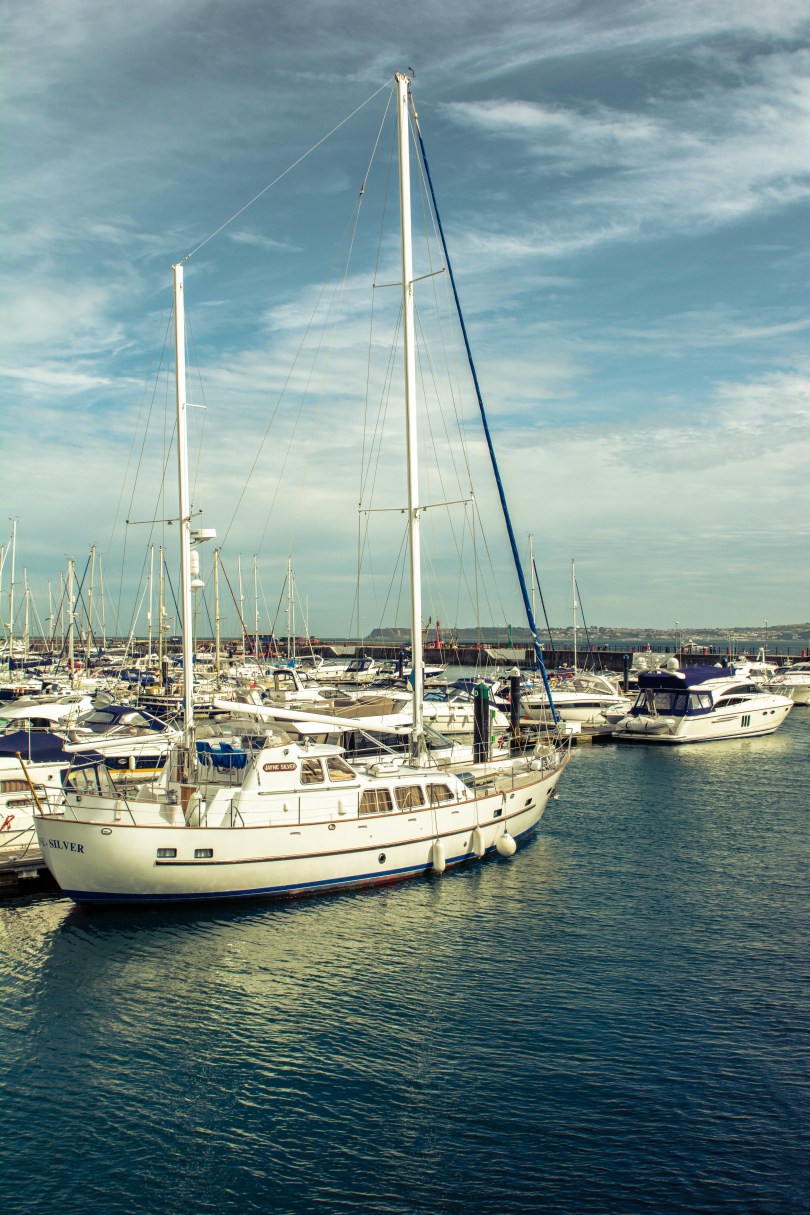
Un porto è un soggiorno affascinante per un’anima provata dalle lotte della vita. L’ampiezza del cielo, la mobile architettura delle nuvole, le mutevoli colorazioni del mare, lo scintillio dei fari, sono un prisma meravigliosamente atto a divertire gli occhi senza mai stancarli. Le forme slanciate delle navi, dalla complicata armatura, a cui l’onda imprime armoniose oscillazioni, servono a intrattenere nell’anima il gusto del ritmo e della bellezza. E poi, soprattutto, c’è una sorta di piacere misterioso e aristocratico per chi non ha più né curiosità né ambizioni nel contemplare, sdraiato in un belvedere o appoggiato coi gomiti sul molo, tutti i movimenti di quelli che partono e di quelli che ritornano, di quelli che ancora hanno la forza di volere, il desiderio di viaggiare o di arricchirsi.

(Trad. di Franco Rella)

Le port

Un port est un séjour charmant pour une âme fatiguée des luttes de la vie. L’ampleur du ciel, l’architecture mobile des nuages, les colorations changeantes de la mer, le scintillement des phares, sont un prisme merveilleusement propre à amuser les yeux sans jamais les lasser. Les formes élancées des navires, au gréement compliqué, auxquels la houle imprime des oscillations harmonieuses, servent à entretenir dans l’âme le goût du rythme et de la beauté. Et puis, surtout, il y a une sorte de plaisir mystérieux et aristocratique pour celui qui n’a plus ni curiosité ni ambition, à contempler, couché dans le belvédère ou accoudé sur le môle, tous ces mouvements de ceux qui partent et de ceux qui reviennent, de ceux qui ont encore la force de vouloir, le désir de voyager ou de s’enrichir.

Specchio, Sylvia Plath

Sono esatto e d’argento, privo di preconcetti.
qualunque cosa io veda subito l’inghiottisco
tale e quale senza ombre di amore o disgusto.
Io non sono crudele, ma soltanto veritiero –
quadrangolare occhio di un piccolo iddio.
Il più del tempo rifletto
sulla parete di fronte.
E’ rosa, macchiettata.
Ormai da tanto tempo la guardo che la sento
un pezzo del mio cuore. Ma lei c’è e non c’è.
Visi e oscurità continuamente si separano.
Adesso io sono un lago.
Su me si china una donna
cercando in me di scoprire quella che lei è realmente.
Poi a quelle bugiarde si volta: alle candele o alla luna.
Io vedo la sua schiena e la rifletto fedelmente.
Me ne ripaga con lacrime e un agitare di mani.
Sono importante per lei.
Anche lei viene e va.
Ogni mattina il suo viso si alterna all’oscurità.
In me lei ha annegato una ragazza,
da me le sorge incontro
giorno dopo giorno una vecchia, pesce mostruoso.

Mirror

I am silver and exact. I have no preconceptions.
Whatever I see I swallow immediately
Just as it is, unmisted by love or dislike.
I am not cruel, only truthful‚
The eye of a little god, four-cornered.
Most of the time I meditate on the opposite wall.
It is pink, with speckles. I have looked at it so long
I think it is part of my heart. But it flickers.
Faces and darkness separate us over and over.

Now I am a lake. A woman bends over me,
Searching my reaches for what she really is.
Then she turns to those liars, the candles or the moon.
I see her back, and reflect it faithfully.
She rewards me with tears and an agitation of hands.
I am important to her. She comes and goes.
Each morning it is her face that replaces the darkness.
In me she has drowned a young girl, and in me an old woman
Rises toward her day after day, like a terrible fish.

Sì sì, Charles Bukowski

Quando Dio creò l’amore non ci ha aiutato molto
quando Dio creò i cani non ha aiutato molto i cani
quando Dio creò le piante fu una cosa nella norma
quando Dio creò l’odio ci ha dato una normale cosa utile
quando Dio creò Me creò Me
quando Dio creò la scimmia stava dormendo
quando creò la giraffa era ubriaco
quando creò i narcotici era su di giri
e quando creò il suicidio era a terra.

Quando creò te distesa a letto
sapeva cosa stava facendo
era ubriaco e su di giri
e creò le montagne e il mare e il fuoco
allo stesso tempo.

Ha fatto qualche errore
ma quando creò te distesa a letto
fece tutto il Suo Sacro Universo.

Yes yes

when God created love he didn’t help most
when God created dogs He didn’t help dogs
when God created plants that was average
when God created hate we had a standard utility
when God created me He created me
when God created the monkey He was asleep
when He created the giraffe He was drunk
when He created narcotics He was high
and when He created suicide He was low

when He created you lying in bed
he knew what He was doing
he was drunk and He was high
and he created the mountians
and the sea and fire at the same time

he made some mistakes
but when He created you lying in bed
he came all over His Blessed Universe.

Notte dell’amore insonne da “Sonetos del amor oscuro”, Federico Garcia Lorca

Notte alta, noi due e la luna piena;
io che piangevo, mentre tu ridevi.
Un dio era il tuo scherno; i miei lamenti
attimi e colombe incatenate.

Notte bassa, noi due. Cristallo e pena,
piangevi tu in profonde lontananze.
La mia angoscia era un gruppo di agonie
sopra il tuo cuore debole di sabbia.

L’alba ci ricongiunse sopra il letto,
le bocche su quel gelido fluire
di un sangue che dilaga senza fine.

Penetrò il sole la veranda chiusa
e il corallo della vita aprì i suoi rami
sopra il mio cuore nel sudario avvolto.

Noche del amor insomne

Noche arriba los dos con luna llena,
yo me puse a llorar y tu reías.
Tu desdén era un dios, las quejas mías
momentos y palomas en cadenas.

Noche abajo los dos. Cristal de pena,
llorabas tu por hondas lejanías
Mi dolor era un grupo de agonías
sobre tu débil corazón de arena.

La aurora nos unió sobre la cama,
las bocas puestas sobre el chorro helado
de una sangre sin fin que se derrama.

Y el sol entro por el balcón cerrado
y el coral de la vida abrió su rama
sobre mi corazón amortajado.

Strana la vita, da “Es cielo y es azul”, Miguel d’Ors

Strana la vita: io che potevo nascere
nel 1529,
o a Pittsburg o arciduca, io che potevo
essere Chesterton o un bonzo, nasco
in Galizia e d’Ors e tutto il resto.
Strana la vita
che tra la moltitudine dei secoli,
esistendo l’illimitata Cina,
e la Bosnia e le crociate, e gli incas,
dovesse capitare proprio a me
questo lavoro amaro di essere io.

Raro asunto

Raro asunto la vida: yo que pude
nacer en 1529,
o en Pittsburg o archiduque, yo que pude
ser Chesterton o un bonzo, haber nacido
gallego y d’Ors y todas estas cosas.
Raro asunto
que entre la muchedumbre de los siglos,
que existiendo la China innumerable,
y Bosnia, y las cruzadas, y los incas,
fuese a tocarme a mí precisamente
este trabajo amargo de ser yo.

Luna, da “Man and Camel”, Mark Strand

Apri il libro della sera alla pagina
in cui la luna, la luna sempre, appare

tra due nuvole, spostandosi così piano che parrà
siano trascorse ore prima che tu giunga alla pagina seguente

dove la luna, ora più luminosa, fa scendere un sentiero
per condurti via da ciò che hai conosciuto

entro i luoghi in cui quello che ti eri augurato si avvera,
la sua sillaba solitaria come una frase sospesa

sull’orlo del significato, in attesa che tu ne dica il nome
una volta ancora mentre alzi gli occhi dalla pagina

e chiudi il libro, sentendo ancora com’era
soffermarsi in quella luce, quell’improvviso paradiso di suono.

(Trad. di Damiano Abeni)

Moon

Open the book of evening to the page
where the moon, always the moon appears

between two clouds, moving so slowly that hours
will seem to have passed before you reach the next page

where the moon, now brighter, lowers a path
to lead you away from what you have known

into those places where what you had wished for happens,
its lone syllable like a sentence poised

at the edge of sense, waiting for you to say its name
once more as you lift your eyes from the page

close the book, still feeling what it was like
to dwell in that light, that sudden paradise of sound.

Voglio te, solo te!, Rabindranath Tagore

Voglio te, solo te!
Lascia che il mio cuore
lo ripeta senza fine.
Tutti i desideri che mi distraggono
di giorno e di notte
in sostanza sono fasulli e vani.
Come la notte tiene nascosta nel buio
l’ansia di luce
così nel profondo del mio cuore
senza ch’io me ne renda conto
un grido risuona:
Voglio te, solo te!
Come la tempesta cerca la quiete
mentre ancora lotta contro la quiete
con tutte le sue forze
così io mi ribello e lotto
contro il tuo amore
ma grido che voglio te, solo te.

I want You, only You

That I want You, only You –
let my heart repeat without end.
All desires that distract me,
day and night, are false and
empty to the core.
As the night keeps hidden in its
gloom the petition for light,
Even thus in the depth of my
unconsciousness rings the cry –
I want You, only You.
As the storm still seeks its end
in peace when it strikes against
peace with all its might, even thus
my rebellion strikes against Your
love and still its cry is –
I want You, only You.


Attraversando a piedi l’Atlantico, da “A vela, in solitaria intorno alla stanza”, Billy Collins

Aspetto che la folla del giorno di festa lasci la spiaggia
prima di salire sull’onda.

Ora attraverso l’Atlantico a piedi
e penso alla Spagna,
attento alle balene, ai pennacchi di vapore.

Sento l’acqua che sostiene il mio peso in movimento.
Questa notte dormirò sulla sua superficie cullante.

Ma intanto provo a immaginare come
debba sembrare tutto questo ai pesci là sotto:
il fondo dei miei piedi che appare, scompare.

(trad. F. Nasi)

Walking Across the Atlantic

I wait for the holiday crowd to clear the beach
before stepping onto the first wave.

Soon I am walking across the Atlantic
thinking about Spain,
checking for whales, waterspouts.
I feel the water holding up my shifting weight.
Tonight I will sleep on its rocking surface.

But for now I try to imagine what
this must look like to the fish below,
the bottoms of my feet appearing, disappearing.

Billy Collins reads his poem “Walking Across the Atlantic” with animation by Mike Stolz of Manic.