Primavera, Mary Oliver

Da qualche parte
un orso nero
si è appena alzato dal sonno
e sta fissando

giù per la montagna.
Tutta la notte
nella frizzante e superficiale irrequietezza
dell’inizio primavera

penso a lei,
ai suoi quattro pugni neri
che colpiscono la ghiaia,
alla sua lingua

come un fuoco rosso
che tocca l’erba,
l’acqua fredda.
C’è solo una domanda:

come amare questo mondo.
Penso a lei che
si erge
come una sporgenza nera e frondosa

per affilare i suoi artigli contro
il silenzio
degli alberi.
Qualunque altra cosa

la mia vita sia
con le sue poesie
e la sua musica
e le sue città di vetro,

è anche questa oscurità abbagliante
che scende
dalla montagna,
respirando e assaporando;

per tutto il giorno penso a lei:
ai suoi denti bianchi,
al suo silenzio,
al suo amore perfetto.

Spring

Somewhere
a black bear
has just risen from sleep
and is staring

down the mountain.
All night
in the brisk and shallow restlessness
of early spring

I think of her,
her four black fists
flicking the gravel,
her tongue

like a red fire
touching the grass,
the cold water.
There is only one question:

how to love this world.
I think of her
rising
like a black and leafy ledge

to sharpen her claws against
the silence
of the trees.
Whatever else

my life is
with its poems
and its music
and its glass cities,

it is also this dazzling darkness
coming
down the mountain,
breathing and tasting;

all day I think of her —
her white teeth,
her wordlessness,
her perfect love.

From: New and Selected Poems (1992)

________________________________

BTS (방탄소년단) ‘봄날 (Spring Day)’ @ A Butterful Getaway with BTS

“Spring Day” è la title track del secondo album di riedizione dei BTS, You Never Walk Alone (2017). La canzone è solitamente descritta come un brano hip-hop alternativo o una ballata pop-rock con qualche influenza del Brit Rock.
Il testo di Spring Day dà una luce positiva all’assenza di un amico, utilizzando una metafora stagionale per riflettere su come le cose miglioreranno in seguito.
E’ considerata una delle più grandi canzoni per boy band di tutti i tempi da Rolling Stone, la sua liricità è stata lodata innumerevoli volte dalla critica musicale perché è riuscita a mostrare in modo efficace desiderio e nostalgia.
Dopo l’uscita del videoclip, ha rapidamente battuto numerosi record per visualizzazioni e per ascolto sulle varie piattaforme di streaming, ha inoltre ricevuto diversi premi.
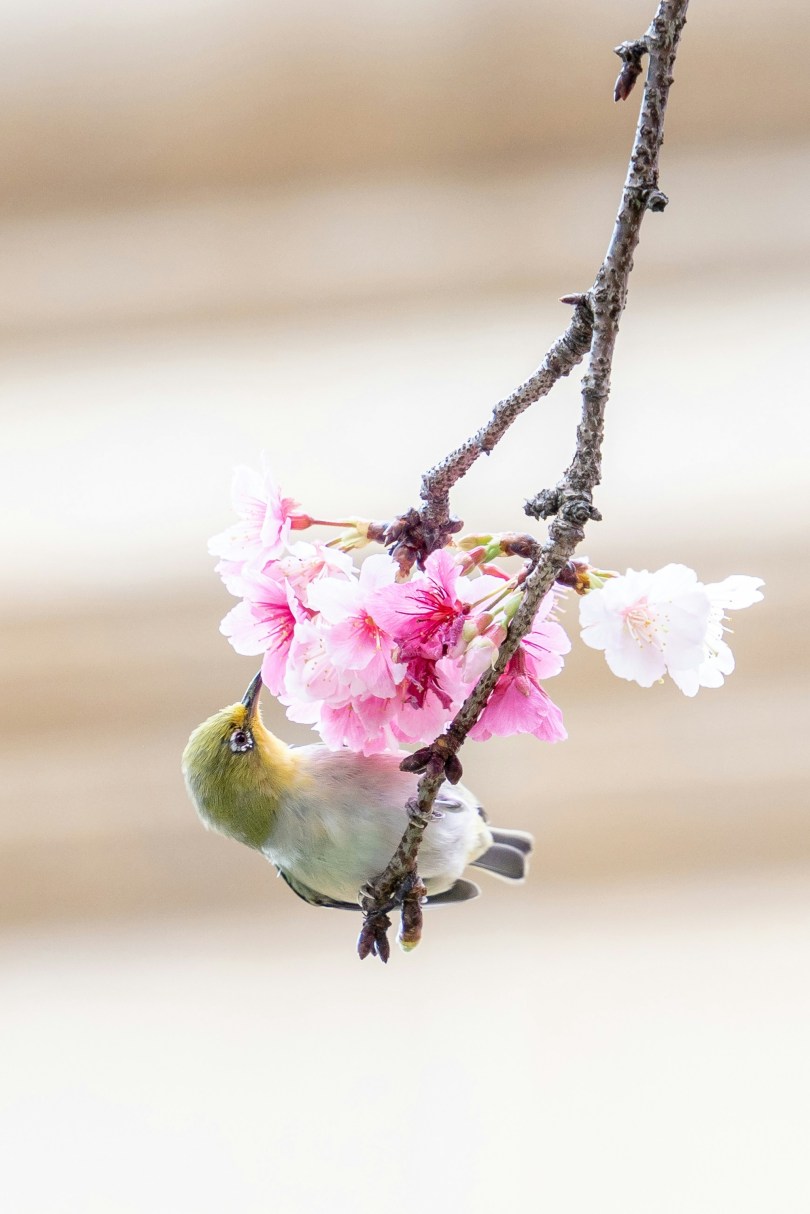
Il suono più triste, il suono più dolce, Emily Dickinson

ll suono più triste, il suono più dolce,
il suono più pazzo che c’è
lo fanno gli uccelli in primavera,
alla deliziosa fine della notte.

Sulla linea fra marzo e aprile
la magica frontiera
oltre la quale l’estate esita
quasi troppo celestialmente vicina.

Ci fa pensare a tutti i morti
che qui con noi sono stati,
per l’incantesimo della separazione
crudelmente divenuti più cari.

Ci fa pensare a ciò che avemmo
e a ciò che ora rimpiangiamo
Quasi vorremmo che quelle sirene
se ne andassero e tacessero.

Un orecchio può spezzare un cuore
rapido quanto una lancia,
vorremmo che l’orecchio non avesse un cuore
così pericolosamente vicino.

(Traduzione di Giuseppe Ierolli)

The saddest noise, the sweetest noise

The saddest noise, the sweetest noise,
  The maddest noise that grows,—
The birds, they make it in the spring,
  At night’s delicious close.

Between the March and April line—
  That magical frontier
Beyond which summer hesitates,
  Almost too heavenly near.

It makes us think of all the dead
  That sauntered with us here,
By separation’s sorcery
  Made cruelly more dear.

It makes us think of what we had,
  And what we now deplore.
We almost wish those siren throats
  Would go and sing no more.

An ear can break a human heart
  As quickly as a spear,
We wish the ear had not a heart
  So dangerously near.

______________________________________

PARK BO GUM(パク・ボゴム) Debut Single『Bloomin’』MV_Full ver.

Un cambiamento nell’aspetto delle colline -, Emily Dickinson

Un cambiamento nell’aspetto delle colline –
Una luce Rossastra riempie il villaggio –
Una più vasta aurora al mattino –
Un più profondo crepuscolo sul prato –
Un’impronta di un piede vermiglio –
Un purpureo dito sul pendio –
Un’impertinente mosca sul vetro –
Un ragno di nuovo al lavoro –
Un incedere più impettito del Gallo –
Un’attesa di fiori dappertutto –
Un’ascia canta stridula nei boschi –
Odori di felce su strade non battute –
Tutto questo e altro che non so descrivere –
Uno sguardo furtivo ben conosciuto –
E il Mistero di Nicodemo
Riscuote la sua replica annuale!

(Traduzione di Giuseppe Ierolli)

An altered look about the hills —

An altered look about the hills —
A Tyrian light the village fills —
A wider sunrise in the morn —
A deeper twilight on the lawn —
A print of a vermillion foot —
A purple finger on the slope —
A flippant fly upon the pane —
A spider at his trade again —
An added strut in Chanticleer —
A flower expected everywhere —
An axe shrill singing in the woods —
Fern odors on untravelled roads —
All this and more I cannot tell —
A furtive look you know as well —
And Nicodemus’ Mystery
Receives its annual reply!

_____________________________

Vivaldi Four Seasons Spring (adapted by Economou for 4 pianos) – Yuja Wang, Emanuel Ax, Nelson Goerner, Julien Quentin – Recorded at the Salle Médran (Verbier, Switzerland), on 2009

Scorcio di secolo, da “Gente sul ponte”(1986), Wislawa Szymborska

Doveva essere migliore degli altri il nostro ventesimo secolo.
Non farà più in tempo a dimostrarlo,
ha gli anni contati,
il passo malfermo,
il fiato corto.

Sono ormai successe troppe cose
che non dovevano succedere,
e quel che doveva arrivare
non è arrivato.

Ci si doveva avviare verso la primavera
e la felicità, tra l’altro.

La paura doveva abbandonare i monti e le valli.
La verità doveva raggiungere la meta
prima della menzogna.

Alcune sciagure
non dovevano più accadere,
ad esempio la guerra
e la fame, e così via.

Doveva essere rispettata
l’inermità degli inermi,
la fiducia e via dicendo.

Chi voleva gioire del mondo
si trova di fronte a un’impresa
impossibile.

La stupidità non è ridicola.
La saggezza non è allegra.
La speranza
non è più quella giovane ragazza
et cetera, purtroppo.

Dio doveva finalmente credere nell’uomo
buono e forte,
ma il buono e il forte
restano due esseri distinti.

Come vivere? – mi ha scritto qualcuno
a cui io intendevo fare
la stessa domanda.

Da capo, e allo stesso modo di sempre,
come si è visto sopra,
non ci sono domande più pressanti
delle domande ingenue.

(Traduzione di Pietro Marchesani)

The Century’s Decline

Our twentieth century was going to improve on the others.
It will never prove it now,
now that its years are numbered,
its gait is shaky,
its breath is short.

Too many things have happened
that weren’t supposed to happen,
and what was supposed to come about
has not.

Happiness and spring, among other things,
were supposed to be getting closer.

Fear was expected to leave the mountains and the valleys.
Truth was supposed to hit home
before a lie.

A couple of problems weren’t going
to come up anymore:
humger, for example,
and war, and so forth.

There was going to be respect
for helpless people’s helplessness,
trust, that kind of stuff.

Anyone who planned to enjoy the world
is now faced
with a hopeless task.

Stupidity isn’t funny.
Wisdom isn’t gay.

Hope
isn’t that young girl anymore,
et cetera, alas.

God was finally going to believe
in a man both good and strong,
but good and strong
are still two different men.

“How should we live?” someone asked me in a letter.
I had meant to ask him
the same question.

Again, and as ever,
as may be seen above,
the most pressing questions
are naïve ones.

(Translated from Polish by Stanislaw Baranczak and Clare Cavanagh)

Nuovi piedi corrono per il mio giardino, Emily Dickinson

Nuovi piedi corrono per il mio giardino –
nuove dita smuovono la terra –
un trovatore sull’olmo
tradisce la solitudine.

Nuovi bambini giocano sul prato –
nuovi stanchi dormono sotto –
e ancora la primavera pensosa ritorna –
e ancora la neve puntuale!

(Traduzione di Massimo Bacigalupo)
Nota del traduttore:
Il sentimento della primavera evocato da una serie di immagini che si concludono con il presentimento dell’inverno. In realtà ogni distico affianca a un motivo primaverile un’allusione alla morte (quasi ogni verso è costituito da una frase completa).

New Feet Within My Garden Go 

New feet within my garden go –
New fingers stir the sod –
A Troubadour upon the Elm
Betrays the solitude.

New Children play upon the green –
New Weary sleep below –
And still the pensive Spring returns –
And still the punctual snow!
_____________________________

Chopin Minute Waltz / Minutenwalzer Op. 64 No. 1 in D-flat major played by Anastasia Huppmann

Saranno parole, da “Dal mare o da altra stella” (2006), Eugénio De Andrade

Diremo prato bosco
primavera,
e tutto quel che diremo
sarà solo per dire
che fummo giovani.

Diremo madre amore
una barca,
e diremo solo
che nulla c’è
da portare al cuore.

Diremo terra mare
o caprifoglio,
ma senza musica nel sangue
saranno parole solo,
e solo parole, quel che diremo.

(Traduzione di Federico Bertolazzi)

Serão palavras

Diremos prado bosque
primavera,
e tudo o que dissermos
é só para dizermos
que fomos jovens.

Diremos mãe amor
um barco,
e só diremos
que nada há
para levar ao coração.

Diremos terra mar
ou madressilva,
mas sem música no sangue
serão palavras só,
e só palavras, o que diremos.

They Will Be Words

We will say meadow woodland
early spring
and all that we may say
is just to say
that we were young.

We will say mother love
a boat,
and we will only say
that there is nothing
to bring the heart in offering.

We will say earth sea
or honeysuckle,
but without music in the blood
mere words is what they’ll be,
and merely words, what we will say.

From: Forbidden Words – selected poetry of Eugénio De Andrade, translated by Alexis Levitin

_______________________________

Jarrod Radnich’s piano solo arrangement and performance of Don’t Stop Believin’. Dedicated to all those who never stop believing.

Sorrisi, da “Grande numero” (1976), Wislawa Szymborska

Il mondo vuol vedere la speranza sul viso.
Per gli statisti si fa d’obbligo il sorriso.
Sorridere vuol dire non darsi allo sconforto.
Anche se il gioco è complesso, l’esito incerto,
gli interessi contrastanti – è sempre consolante
che la dentatura sia bianca e ben smagliante.

Devono mostrare una fronte rasserenata
sulla pista e nella sala delle conferenze.
Un’andatura svelta, un’espressione distesa.
Quello dà il benvenuto, quest’altro si accomiata.
E’ quanto mai opportuno un volto sorridente
per gli obiettivi e tutta la gente lì in attesa.

La stomatologia in forza alla diplomazia
garantisce sempre un risultato impressionante.
Canini di buona volontà e incisivi lieti
non possono mancare quando l’aria è pesante.
I nostri tempi non sono ancora così allegri
perché sui visi traspaia la malinconia.

Un’umanità fraterna, dicono i sognatori,
trasformerà la terra nel paese del sorriso.
Ho qualche dubbio. Gli statisti, se fosse vero,
non dovrebbero sorridere il giorno intero.
Solo a volte: perché è primavera, tanti i fiori,
non c’è fretta alcuna, né tensione in viso.
Gli esseri umani sono tristi per natura.
È quanto mi aspetto, e non è poi così dura.

(Traduzione di Pietro Marchesani)

Smiles

The world would rather see hope than just hear
its song. And that’s why statesmen have to smile.
Their pearly whites mean they’re still full of cheer.
The game’s complex, the goal’s far out of reach,
the outcome’s still unclear – once in a while,
we need a friendly, gleaming set of teeth.

Heads of state must display unfurrowed brows
on airport runways, in the conference room.
They must embody one big, toothy “Wow!”
while pressing flesh or pressing urgent issues.
Their faces’ self-regenerating tissues
make our hearts hum and our lenses zoom.

Dentistry turned to diplomatic skill
promises us a Golden Age tomorrow.
The going’s rough, and so we need the laugh
of bright incisors, molars of good will.
Our times are still not safe and sane enough
for faces to show ordinary sorrow.

Dreamers keep saying, “Human brotherhood
will make this place a smiling paradise.”
I’m not convinced. The statesman, in that case,
would not require facial exercise,
except from time to time: he’s feeling good,
he’s glad it’s spring, and so he moves his face.
But human beings are, by nature, sad.
So be it, then. It isn’t all that bad

(Translated from Polish by Stanislaw Baranczak and Clare Cavanagh)

Le tue mani, da “Poesie d’amore” (1997), Pablo Neruda

Quando le tue mani vengono,
amore, verso le mie,
cosa mi recano volando?
Perché si son fermate
sulla mia bocca, d’improvviso.
Perché le riconosco
come se allora, anzi,
le avessi toccate,
come se prima d’essere
avessero percorso
la mia fronte, il mio fianco?

La loro morbidezza veniva
volando sopra il tempo,
sopra il mare, sopra il fumo,
sopra la primavera,
e quando tu posasti
le tue mani sul mio petto,
riconobbi quelle ali
di colomba dorata,
riconobbi quella creta
e quel colore di frumento.

Gli anni della mia vita
camminai cercandole.
Salii le scale,
attraversai le scogliere,
mi portarono i treni,
le acque mi condussero,
e nella pelle dell’uva
mi sembrò di toccarti.

Il legno d’improvviso
mi recò il tuo contatto,
la mandorla m’annunciava
la tua morbidezza concreta,
finché si chiusero le tue mani sul mio petto
e lì come due ali
terminarono il loro viaggio.

(Traduzione di Giuseppe Bellini)

Tus Manos

Cuando tus manos salen,
y amor, hacia las mías,
qué me traen volando?
Por qué se detuvieron en mi boca,
de pronto,
por qué las reconozco
como si entonces antes,
las hubiera tocado,
como si antes de ser
hubieran recorrido
mi frente, mi cintura?

Su suavidad venía
volando sobre el tiempo,
sobre el mar, sobre el humo,
sobre la primavera,
y cuando tú pusiste
tus manos en mi pecho,
reconocí esas alas
de paloma dorada,
reconocí esa greda
y ese color de trigo.

Los años de mi vida
yo caminé buscándolas.
Subí las escaleras,
crucé los arrecifes,
me llevaron los trenes,
las aguas me trajeron,
y en la piel de las uvas
me pareció tocarte.
La madera de pronto
me trajo tu contacto,
la almendra me anunciaba
tu suavidad secreta,
hasta que se cerraron
tus manos en mi pecho
y allí como dos alas
terminaron su viaje.

Pablo Neruda, Los versos del Capitán

Your Hands

When your hands go out,
love, toward mine,
what do they bring me flying?
Why do they stop
at my mouth, suddenly,
why do I recognize them
as if then, before,
I had touched them,
as if before they existed
they had passed over
my forehead, my waist?

Their softness came
flying over time,
over the sea, over the smoke,
over the spring,
and when you placed
your hands on my chest,
I recognized those golden
dove wings,
I recognized that clay
and that color of wheat.

All the years of my life
I walked around looking for them.
I went up the stairs,
I crossed the roads,
trains carried me,
waters brought me,
and in the skin of the grapes
I thought I touched you.
The wood suddenly
brought me your touch,
the almond announced to me
your secret softness,
until your hands
closed on my chest
and there like two wings
they ended their journey.

Translated by Donald D. Walsh

Verranno le dolci piogge, da “Fiamma e ombra” (1920), Sara Teasdale

Verranno le dolci piogge e l’odore di terra,
e le rondini che volano in circolo con le loro strida scintillanti;

e le rane negli stagni che cantano di notte,
e gli alberi di susino selvatico che fremono di bianco;

i pettirossi vestiranno il loro piumaggio infuocato,
fischiettando le loro fantasie su una bassa recinzione in rete metallica;

e nessuno saprà della guerra,
nessuno presterà attenzione infine quando sarà avvenuto;

nessuno baderebbe, né uccello né albero,
se l’umanità scomparisse completamente;

e la Primavera stessa, al suo risveglio all’alba,
si renderebbe conto appena che noi ce ne siamo andati.

There Will Come Soft Rains

There will come soft rains and the smell of the ground,
And swallows circling with their shimmering sound;

And frogs in the pool singing at night,
And wild plum trees in tremulous white;

Robins will wear their feathery fire,
Whistling their whims on a low fence-wire;

And not one will know of the war, not one
Will care at last when it is done.

Not one would mind, neither bird nor tree,
If mankind perished utterly;

And Spring herself when she woke at dawn
Would scarcely know that we were gone.

Poem first published in Flame and Shadow, by Sara Teasdale, 1920

______________________________________
There Will Come Soft Rains  è una delle poesie più conosciute di Sara Teasdale nella quale immagina un mondo post-apocalittico idilliaco in cui la natura continua pacificamente, meravigliosamente e indifferentemente dopo l’estinzione del genere umano. Ha ispirato il racconto breve di Ray Bradbury con lo stesso nome, incluso nella raccolta “Cronache marziane”.

L’inondazione della primavera, Emily Dickinson

L’inondazione della primavera
ingrandisce ogni anima –
travolge le abitazioni
ma lascia intatta l’acqua –
dove l’anima dapprima stranita
cerca debolmente la terra
ma acclimatata – non rimpiange più
quella penisola –

(Traduzione di Massimo Bacigalupo)

The inundation of the Spring

The inundation of the Spring
Enlarges every Soul –
It sweeps the tenements away
But leaves the Water whole –
In which the Soul at first estranged –
Seeks faintly for it’s shore
But acclimated – pines no more
For that Peninsula –