Miracoli, da “Leaves of Grass” (1867), Walt Whitman

Perché la gente fa tanto caso ai miracoli?
Quanto a me, io non conosco altro che miracoli.
Che io passeggi per le strade di Manhattan,
o getti lo sguardo al di sopra dei tetti verso il cielo,
o sguazzi a piedi nudi lungo la spiaggia sul limitare delle onde,
o sosti sotto gli alberi nei boschi,
o parli di giorno con qualcuno che amo,
o giaccia nel letto di notte con qualcuno che amo,
o sieda a tavola a cena con gli altri,
o guardi gli estranei che mi stanno di fronte nel treno,
o osservi le api indaffarate attorno all’alveare in un mattino estivo,
o gli animali che pascolano nei campi,
o gli uccelli, o l’incanto degli insetti nell’aria
O il meraviglioso spettacolo del tramonto, o degli astri splendenti silenziosi e lucenti,
O la squisita delicata curva della luna nuova in primavera;
Queste cose con altre, ciascuna e tutte,
sono miracoli per me,
E, pur riferendosi al tutto, ciascuna sia distinta, e al proprio posto.

Per me ogni ora di luce e di tenebra è un miracolo,
Ogni pollice cubico di spazio è un miracolo,
Ogni miglio quadrato della terra è seminato di miracoli,
Ogni piede dell’interno della terra è affollato di miracoli.
Un continuo miracolo è per me il mare,
E i pesci che vi nuotano – e gli scogli – e il movimento delle acque
– e le navi e gli uomini che vi sono a bordo:
Quali miracoli più straordinari di questi vi sono?

Miracles

Why, who makes much of a miracle?
As to me I know of nothing else but miracles,
Whether I walk the streets of Manhattan,
Or dart my sight over the roofs of houses toward the sky,
Or wade with naked feet along the beach just in the edge of the water,
Or stand under trees in the woods,
Or talk by day with any one I love, or sleep in the bed at night with any one I love,
Or sit at table at dinner with the rest,
Or look at strangers opposite me riding in the car,
Or watch honey-bees busy around the hive of a summer forenoon,
Or animals feeding in the fields,
Or birds, or the wonderfulness of insects in the air,
Or the wonderfulness of the sundown, or of stars shining so quiet and bright,
Or the exquisite delicate thin curve of the new moon in spring;
These with the rest, one and all, are to me miracles,
The whole referring, yet each distinct and in its place.

To me every hour of the light and dark is a miracle,
Every cubic inch of space is a miracle,
Every square yard of the surface of the earth is spread with the same,
Every foot of the interior swarms with the same.

To me the sea is a continual miracle,
The fishes that swim—the rocks—the motion of the waves—the
ships with men in them,
What stranger miracles are there?
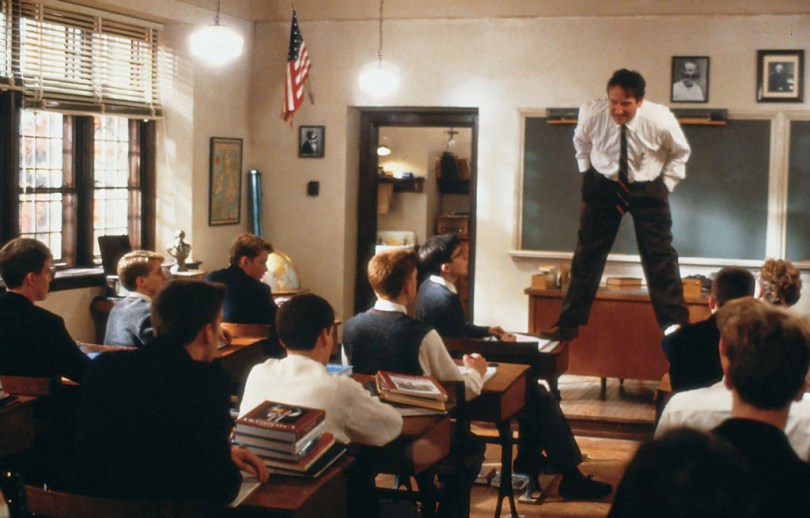
O Capitano! mio Capitano!, Walt Whitman

O Capitano! Mio Capitano! Il nostro viaggio tremendo è terminato,
La nave ha superato ogni ostacolo, l’ambìto premio è conquistato,
Vicino è il porto, odo le campane, tutto il popolo esulta,
Mentre gli occhi seguono la salda carena, la nave severa e intrepida

Ma o cuore! Cuore! Cuore!
O gocce rosse di sangue,
Là sul ponte dove giace il Capitano,
Caduto, gelido, morto.

O Capitano! Mio Capitano! Risorgi, odi le campane;
Risorgi – per te è issata la bandiera – per te squillano le trombe,
Per te fiori e ghirlande ornate di nastri – per te le coste affollate,
Te invoca la massa ondeggiante, a te volgono i volti ansiosi

Ecco Capitano! O amato padre!
Questo mio braccio sotto la tua testa;
È solo un sogno che sul ponte
Sei caduto, gelido, morto.

Non risponde il mio Capitano, le sue labbra sono pallide e immobili;
Non sente il padre il mio braccio, non ha più energia né volontà,
La nave è all’ancora sana e salva, il suo viaggio concluso, finito;
la nave vittoriosa è tornata dal viaggio tremendo, la meta è raggiunta

Esultate coste, suonate campane!
Mentre io con funebre passo
percorro il ponte dove giace il mio Capitano,
caduto, gelido, morto.

O Captain! my Captain!

O Captain! my Captain! our fearful trip is done,
The ship has weather’d every rack, the prize we sought is won,
The port is near, the bells I hear, the people all exulting,
While follow eyes the steady keel, the vessel grim and daring;
But O heart! heart! heart!
O the bleeding drops of red,
Where on the deck my Captain lies,
Fallen cold and dead.

O Captain! my Captain! rise up and hear the bells;
Rise up—for you the flag is flung—for you the bugle trills,
For you bouquets and ribbon’d wreaths—for you the shores a-crowding,
For you they call, the swaying mass, their eager faces turning;
Here Captain! dear father!
This arm beneath your head!
It is some dream that on the deck,
You’ve fallen cold and dead.

My Captain does not answer, his lips are pale and still,
My father does not feel my arm, he has no pulse nor will,
The ship is anchor’d safe and sound, its voyage closed and done,
From fearful trip the victor ship comes in with object won;
Exult O shores, and ring O bells!
But I with mournful tread,
Walk the deck my Captain lies,
Fallen cold and dead.

Tutto vale, tratto da “Song of Myself” (1892 version), Walt Whitman

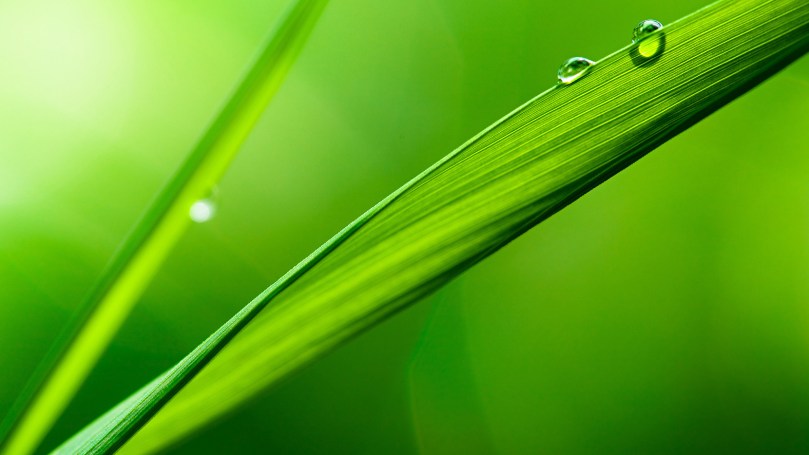
Io credo che una foglia d’erba non valga affatto
meno della quotidiana fatica delle stelle.
E la formica è ugualmente perfetta, come un granello di sabbia,
come l’uovo di uno scricciolo,
E la piccola rana è un capolavoro pari a quelli più famosi,
E il rovo rampicante potrebbe ornare i balconi del cielo.
E la giuntura più piccola della mia mano qualsiasi meccanismo può deridere.

Section 31

I believe a leaf of grass is no less than the journey-work of the stars,
And the pismire is equally perfect, and a grain of sand, and the egg of the wren,
And the tree-toad is a chef-d’œuvre for the highest,
And the running blackberry would adorn the parlors of heaven,
And the narrowest hinge in my hand puts to scorn all machinery,
And the cow crunching with depress’d head surpasses any statue,
And a mouse is miracle enough to stagger sextillions of infidels.

I find I incorporate gneiss, coal, long-threaded moss, fruits, grains, esculent roots,
And am stucco’d with quadrupeds and birds all over,
And have distanced what is behind me for good reasons,
But call any thing back again when I desire it.

In vain the speeding or shyness,
In vain the plutonic rocks send their old heat against my approach,
In vain the mastodon retreats beneath its own powder’d bones,
In vain objects stand leagues off and assume manifold shapes,
In vain the ocean settling in hollows and the great monsters lying low,
In vain the buzzard houses herself with the sky,
In vain the snake slides through the creepers and logs,
In vain the elk takes to the inner passes of the woods,
In vain the razor-bill’d auk sails far north to Labrador,
I follow quickly, I ascend to the nest in the fissure of the cliff.